You know, label production isn't what it used to be. It's getting faster, more automated, and honestly, a whole lot more demanding. Smithers just released a recent packaging report, and they're saying labels are actually a pretty resilient segment – thanks to e-commerce, food traceability, healthcare packaging, and also those shorter production runs everyone's talking about. And it's not just them either; Grand View Research is also predicting steady growth for the global labels market through the next decade. So what does all that mean? Well, it just piles more pressure on converters and packaging lines, that's for sure.
You know, a solid label feeder isn't just a nice-to-have – it can seriously cut down on misfeeds, stoppages, and wasted materials. And here's the thing: it's the tiny stuff that really makes or breaks your daily output. We're talking web tension, sensor response, label spacing, feeder speed, even how well it handles different substrates. Now, if you're out there hunting for 'Supply China Label Feeder Manufacturers', don't just jump at the lowest price. That's a classic rookie mistake. What you actually need is proof – real evidence that they've got their engineering locked down, years of factory experience, a proper testing process, reliable export support, and, importantly, easy access to replacement parts. Trust me, it matters.
So, I've been digging into ten manufacturers over in China for anyone buying internationally. What did I look at? Well, feeder design, how they handle integration with labeling machines, PLC communication—you know, the technical nitty-gritty—plus customization options, quality management, and after-sales support. But I didn't just take their word for it—I also checked out public company info, technical docs, product records, and where they stand in the industry. Sure, an ISO 9001 certificate looks good on paper, but honestly, that's not a substitute for verifying things yourself. My advice? Get samples and test them before you commit.
Honestly, no ranking is carved in stone. The manufacturer that’s perfect for pharmaceutical cartons might totally miss the mark when it comes to fragile glass containers or oddly shaped pouches. And here’s the thing – things like regional voltage, safety regulations, documentation, and even how quickly they respond to service calls can really swing the final decision. Some suppliers are great talkers, but when it comes to actual performance data, they’re a bit lacking. That’s a red flag you shouldn’t ignore. Look, if you're a practical buyer, don't just take their word on speed claims. Actually watch real test videos, and maybe even check out label samples yourself. And make sure they'll still have parts for it years down the line—confirm that before you sign anything. Here's the thing: the biggest factory isn't always the best choice. What you really want is a supplier who consistently matches the feeder to your specific application. That's what makes the real difference.

What Is a Label Feeder and How Does It Work?
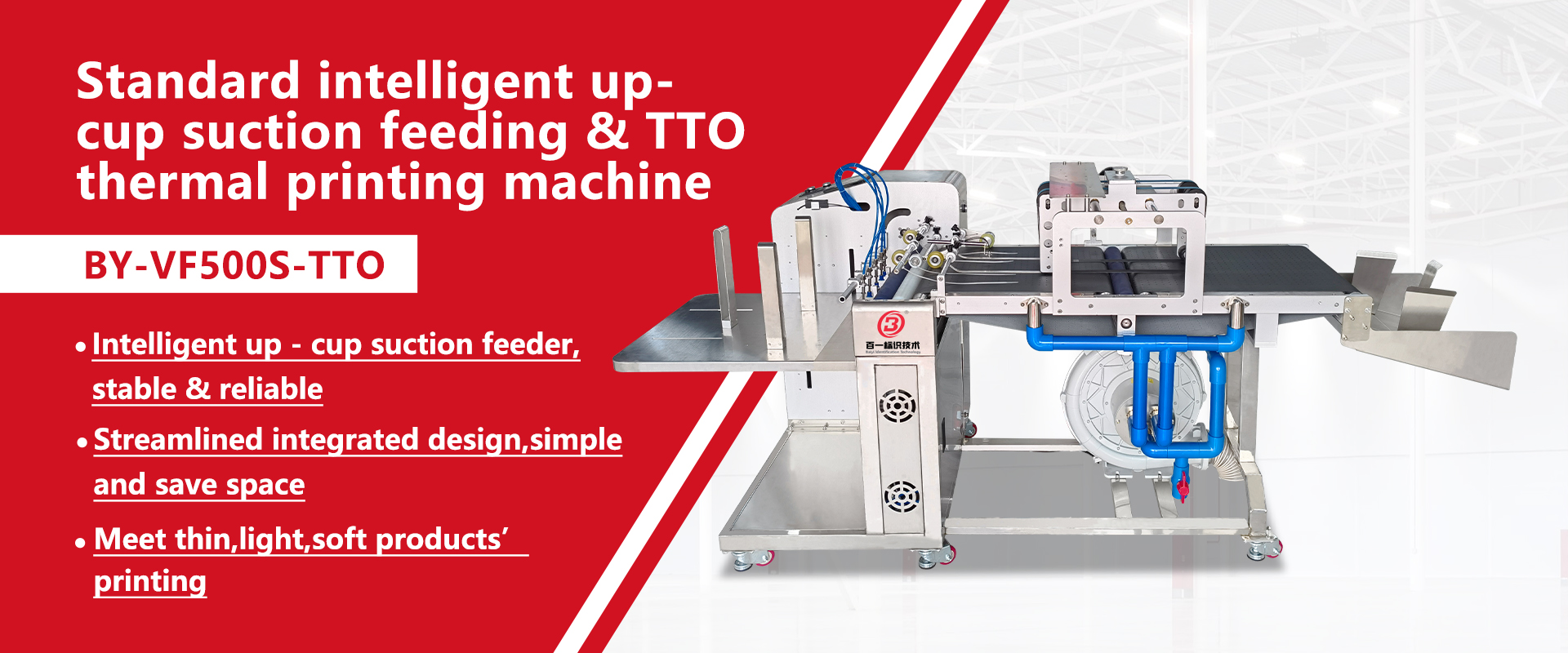
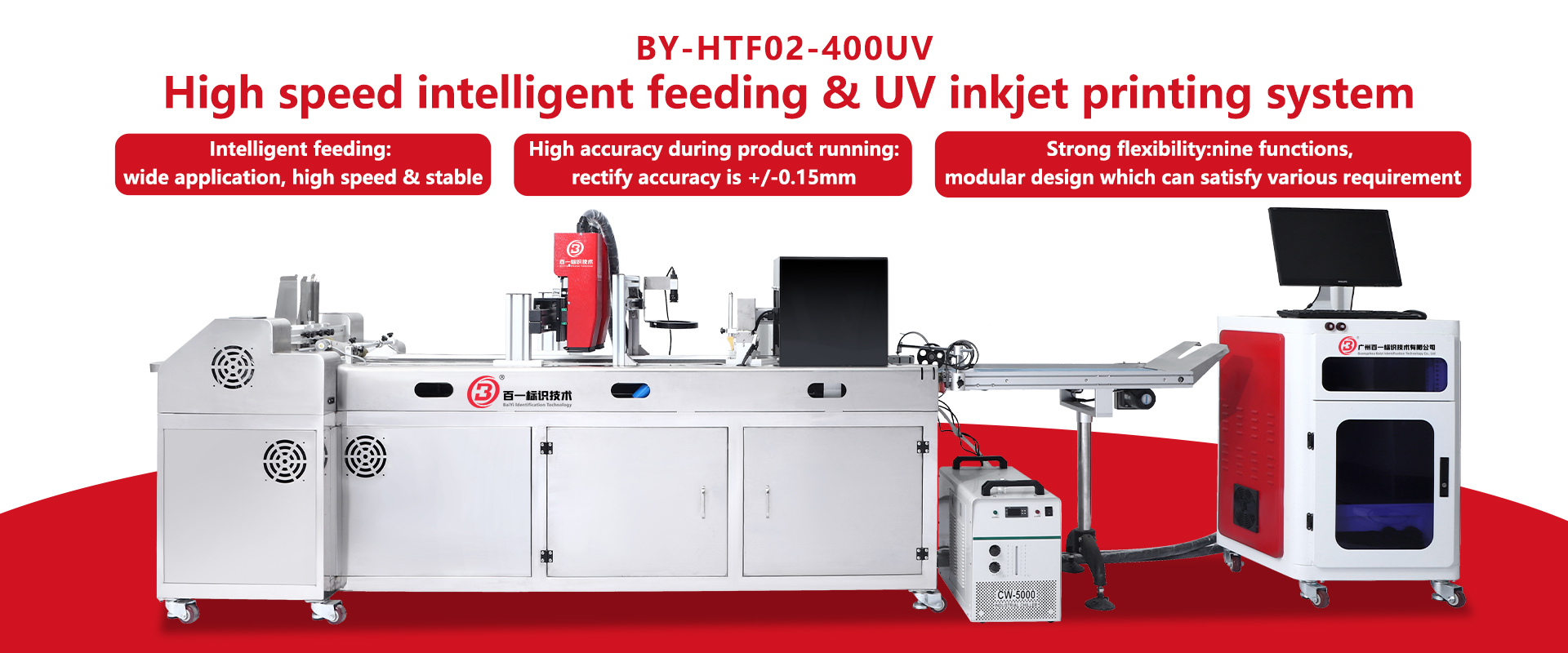
A label feeder is a machine that separates labels and places them onto products, packages, or a moving web. It usually works with a label magazine, separation roller, drive system, and detection sensor. The magazine holds a neat stack of labels. Rollers then release one label at a controlled speed. A sensor checks its position before application.
The process looks simple, but accurate feeding requires careful adjustment. Label thickness, surface coating, static electricity, and humidity can change performance. On a packaging line, the feeder must match the conveyor speed and product spacing. Servo motors often improve timing, while vacuum belts can handle delicate or flexible labels. Poor alignment creates wrinkles, double feeding, or missed labels. Small errors become expensive at high speed.
From packaging-line testing experience, buyers should request sample trials before approving equipment. Ask for feeding speed, label size limits, material compatibility, sensor type, and cleaning requirements. Confirm how operators adjust the machine without special tools. In practice, the first trial is rarely perfect. A feeder may perform well with paper labels but struggle with thin film. That detail matters. Reliable manufacturers should provide test records, clear manuals, spare-part guidance, and responsive technical support. The correct feeder is not simply the fastest model. It is the one that feeds consistently within the buyer’s actual production conditions.
Key Criteria for Evaluating Chinese Label Feeder Manufacturers
Chinese label feeder manufacturers should be evaluated against measurable production needs, not catalogue promises. Fortune Business Insights valued the global label market at USD 43.4 billion in 2023 and forecasts a 4.3% CAGR through 2032. Mordor Intelligence gives a different estimate because its scope varies. That difference deserves attention.
During supplier audits, request a live test using your actual label roll, liner, adhesive, and container. Record feeding accuracy, jams, changeover time, and reject rates over several hours. A claimed speed of 300 labels per minute means little if accuracy falls below 99.5%. Ask for machine footage, electrical drawings, spare-parts lists, and a written acceptance standard. Speed is not everything.
Check whether the feeder supports your line protocol, sensor format, and future product sizes. Confirm calibration procedures and maintenance intervals. PMMI’s recent packaging-industry reports repeatedly identify labor availability and automation skills as purchasing concerns. Therefore, clear manuals and remote troubleshooting matter as much as mechanical design. Certification documents should be independently verifiable, not copied into a sales presentation. Factory visits can reveal assembly discipline, inventory control, and testing records. Still, one visit is imperfect evidence. Require sample machines, reference checks, and a performance clause before payment.
Overview of the Top 10 China Label Feeder Manufacturers
The top ten China label feeder manufacturers serve a growing packaging equipment market. Smithers’ 2024 analysis estimates that global label demand will continue expanding through 2028, driven by food, beverage, healthcare, and logistics packaging. This growth increases demand for stable feeding, accurate placement, and faster format changes. Buyers should compare feeder speed, label width range, sensor response, servo control, and integration with existing lines.
A practical overview of these ten manufacturers shows several common strengths. Many offer modular feeders for self-adhesive, paper, film, and pressure-sensitive labels. Typical systems support automatic counting, gap detection, and recipe storage. Some models reach 100 to 300 labels per minute, depending on label size and product shape. PMMI reports that packaging companies increasingly prioritize automation, labor reduction, and measurable equipment performance. These priorities make remote diagnostics and simple operator controls valuable.
Details matter.
However, catalogue speeds can be optimistic. Real output may fall when labels curl, humidity changes, or containers vary. Buyers should request factory acceptance tests using their own labels and products. ISO 9001 certification, traceable testing records, spare-parts availability, and documented after-sales response times also deserve attention. A lower purchase price may not remain economical if calibration is difficult or technical support crosses several time zones.
Product Capabilities and Industry Applications
China label feeder manufacturers serve global buyers with varied equipment capabilities. Their systems can handle roll-fed, fanfold, and pressure-sensitive labels across different widths and thicknesses. Servo-driven feeding supports stable placement at high line speeds. Stepper systems may suit smaller, cost-sensitive packaging lines. Optical sensors detect gaps, marks, and missing labels before application. Some feeders also provide adjustable guides, touchscreen controls, and stainless-steel frames for demanding production areas.
Their equipment supports food packaging, cosmetics, household products, electronics, logistics, and industrial containers. A compact feeder can apply labels to cartons, jars, pouches, or curved bottles. In electronics assembly, accurate feeding helps place small identification labels on cables and components. For warehouse operations, integrated printers can produce variable barcodes and shipping information. Buyers should verify label material, core diameter, roll weight, and application speed during technical discussions. These details affect performance more than a catalog headline.
Factory experience matters when a feeder must connect with an existing conveyor or inspection system. Request sample testing with real labels, including curled or slightly uneven stock. Perfect samples can hide practical problems. I would also check sensor response, spare-part access, operator training, and remote support. A lower purchase price may become expensive when setup knowledge is limited. Tolerances should be documented, not assumed. Production conditions change, and even a well-designed feeder may need adjustment after installation.
Quality Standards, Customization, and Production Capacity
For global buyers, China’s label feeder manufacturers offer broad choices in quality, customization, and production capacity. The real test is not catalog speed. It is stable feeding during long production runs. Buyers should check sensor accuracy, web tension control, motor response, and label alignment at different speeds. A reliable supplier can provide test videos, inspection records, and clear specifications. Quality systems such as ISO 9001 can support consistency, but certification alone proves little.
Request samples using your actual label material, adhesive type, roll width, and core size. Good manufacturers should adjust guides, rollers, software settings, and mounting plates for your equipment. They should also explain acceptable tolerances instead of promising perfect results. That detail builds trust. A factory may offer custom engineering, yet its design team could be small. Ask for drawings, prototype timing, spare-part lists, and communication procedures before placing an order.
Production capacity needs practical verification. Review monthly output, assembly space, testing equipment, and the number of technicians assigned to your project. A supplier with several production lines may still struggle with customized orders. Factory audits, video inspections, and third-party checks can reveal gaps between stated capacity and actual performance. Confirm lead times for standard and custom feeders, especially during peak seasons. Small weaknesses often appear during final testing, not in the first quotation.
10 Best China Label Feeder Manufacturers for Global Buyers
Quality Standards, Customization, and Production Capacity
This chart presents a practical buyer evaluation framework for comparing label feeder suppliers. Quality compliance covers standards such as ISO 9001-based quality management, CE conformity where applicable, and RoHS requirements. Customization includes feeder width, label size, sensor configuration, mounting, and control integration. Production capacity reflects repeatability, lead-time control, and the ability to support volume orders.
Pricing, Export Support, and After-Sales Service
China’s label feeder manufacturers compete through pricing, export support, and dependable service. PMMI reported U.S. packaging machinery sales of approximately $11.3 billion in 2023. That demand encourages buyers to compare total ownership costs, not only quotations.
A competitive feeder may cost 15–30% less than similar imported equipment, but freight, customs, installation, and spare parts can change the final figure. Ask for a detailed pro forma invoice. It should show motor specifications, feeder speed, warranty terms, packaging, and delivery conditions. Export-ready manufacturers should provide English manuals, wiring diagrams, inspection videos, and documents for customs clearance. Service quality varies, unfortunately. Confirm response times, remote diagnostics, replacement-part stock, and technician availability before paying a deposit. A low price is not always a low-cost decision.
Tips: Request a sample test using your actual labels and products. Measure misfeeds, changeover time, and noise levels. The Smithers global labels market report indicates continued growth through 2028, increasing pressure for flexible automation. Choose suppliers who can support multiple label sizes and future line upgrades. Also, require a written acceptance standard. Informal promises are easy to misunderstand, especially across time zones.
10 Best China Label Feeder Manufacturers for Global Buyers - Pricing, Export Support, and After-Sales Service
Buyer note: The figures above are indicative industry ranges for comparable China-made label-feeding equipment, not binding quotations. Actual pricing, speed, label compatibility, warranty coverage, certification, freight, duties, and commissioning terms should be confirmed through a current technical specification and pro forma invoice.
How Global Buyers Can Choose the Right Manufacturer
Choosing the right label feeder manufacturer requires more than comparing prices. Global buyers should examine production experience, engineering capability, and quality controls. A supplier may offer attractive specifications, yet fail during continuous operation.
Request samples using your actual label material, roll width, adhesive, and machine speed. Measure feeding accuracy over several hours, not only during a short demonstration. Check whether the manufacturer can control tension, detect missing labels, and prevent double feeding. These details matter on a busy packaging line.
Ask for inspection records, material traceability, and clear acceptance standards. Reliable manufacturers should explain motor selection, sensor calibration, maintenance intervals, and spare-part availability. Their technical team should also support installation across different time zones. Certificates are useful, but they do not replace practical testing.
Review factory capacity before signing a large order. Confirm lead times, packaging methods, replacement policies, and communication procedures. A small pilot order can reveal problems that polished presentations hide. It may feel slower, but it reduces expensive surprises.
Some buyers focus too heavily on unit cost. That is understandable, but incomplete. A cheaper feeder can create waste, downtime, and inconsistent labeling. Even experienced purchasing teams sometimes overlook software compatibility or operator training. Ask for interface drawings and test reports in writing. Vague promises should not guide an international purchase.
Visit the production site when possible, or request a live video inspection. Look for organized assembly areas, calibrated instruments, and workers who can explain their tasks. Real confidence comes from evidence, not confident wording.
FAQS
Compare feeding speed, label width, sensor response, servo control, and line compatibility. Check automatic counting, gap detection, and recipe storage. Details matter. A lower price may hide service or calibration problems.
Many feeders support paper, film, self-adhesive, and pressure-sensitive labels. Ask about your exact label thickness, adhesive, roll width, and surface. Do not rely only on a general catalogue statement. Material differences can affect feeding accuracy.
Not always. Some systems claim 100 to 300 labels per minute under favorable conditions. Curled labels, humidity, and changing container shapes can reduce real output. Test your products for several hours.
Request a factory test using your actual labels and products. Measure misfeeds, double feeds, missing labels, noise, and changeover time. Record results under normal operating conditions. Short demonstrations can look better than production reality.
Request English manuals, wiring diagrams, inspection videos, and customs documents. Also ask for motor specifications, warranty terms, packaging details, and delivery conditions. Written records reduce confusion across time zones. Informal promises are risky.
Include the feeder, freight, customs, installation, training, spare parts, and maintenance. A quoted price may appear 15% to 30% lower than imported equipment. That difference can shrink after delivery expenses. Cheap is not always economical.
Confirm response times, remote diagnostics, spare-part stock, and technician availability. Ask how installation support works across different time zones. Request replacement policies in writing. Service quality varies.
A small pilot can reveal software, training, packaging, or communication problems. It also shows whether the supplier meets promised lead times. I might prefer a large discount, but that can be shortsighted. Evidence beats polished wording.
Conclusion
This guide explains what a label feeder is, how it separates and delivers labels, and why it is essential for packaging, printing, logistics, electronics, and other automated production lines. It presents practical criteria for evaluating Chinese manufacturers, including equipment design, feeding accuracy, speed control, material compatibility, quality management, customization capability, production capacity, and technical reliability. The overview of the top 10 China suppliers is designed to help global buyers compare manufacturing strengths without relying on brand reputation alone.
The article also examines pricing factors, export documentation, communication, delivery arrangements, installation guidance, spare-parts availability, and after-sales support. Buyers seeking Supply China Label Feeder Manufacturers should define their label specifications, operating environment, output targets, compliance requirements, and budget before requesting quotations. By comparing samples, testing performance, reviewing quality procedures, and confirming service responsibilities, international purchasers can select a dependable partner that offers stable operation, flexible engineering support, and long-term value for their specific application.