
0%

The Feeding Machine Series in China is really catching the eye of manufacturers these days. Folks are eager for systems that can offer faster, cleaner, and more consistent production—no surprises there. You’ve got your vibratory bowl feeders, linear feeders, centrifugal ones, and even flexible feeding units all working to guide parts toward assembly lines, packaging stations, inspections, or sorting areas. Little details actually matter a lot here. Things like how loud a feeder is, its surface finish, or how quick it is to switch over to a different product can actually impact the entire production line. It’s pretty fascinating how those small factors add up.

In 2023, the International Federation of Robotics reported that China installed around 276,000 industrial robots—that’s a huge chunk, roughly half of all global setups that year. Now, this number doesn’t account for feeding machines directly, but it definitely shows how big the automation appetite is over there. The China Packaging Federation emphasizes that efficiency, traceability, and smart, high-tech equipment are pretty much the main priorities for packaging firms these days—and those priorities are starting to influence what kind of feeders companies choose.

Dr. Jian Li, an automation expert based in China, puts it simply: "A feeder is where product variability meets machine logic." That’s a pretty spot-on way to put it because, honestly, components rarely behave perfectly. Some arrive scratched, oily, or just a tad off in size. So, even if a machine performs flawlessly during testing, it might struggle to keep up once it’s beside a dusty production press—it’s a detail that’s often overlooked but can make a big difference.

The truth isn’t perfect, though. Public reports usually don’t break down feeding equipment separately from broader automation gear. That’s why it’s important for buyers to look at verified metrics—things like actual output rates, reject percentages, noise levels, and how quickly the equipment can change over to new products. When shopping for Feeding Machines Series China suppliers, it’s also smart to ask about material compatibility, control interfaces, ease of maintenance, and after-sales support. A fancy brochure might look good, but real evidence of performance in actual production environments is what really counts.

What Is a Feeding Machine Series from China?

Definition and Purpose of a Feeding Machine Series

What Is a Feeding Machine Series from China?

Definition and Purpose of a Feeding Machine Series

A feeding machine series is a group of equipment designed to store, separate, orient, and deliver parts continuously. Chinese manufacturers commonly offer bowl feeders, linear feeders, belt feeders, screw feeders, and hopper systems. Each model supports different materials, shapes, speeds, and production conditions.

Its main purpose is controlled material flow. The machine moves parts from a bulk supply into packaging, assembly, inspection, or processing equipment. For example, a vibratory bowl can orient small caps, while a belt feeder can transfer flat components gently. This reduces manual handling and improves line consistency. The International Federation of Robotics reported 541,302 industrial robot installations worldwide in 2023. China represented about 51% of those installations, showing strong demand for automated material handling. However, automation does not remove every problem.

Real performance depends on product friction, moisture, weight, and shape. A machine may achieve its catalogue speed during testing but perform differently in a dusty factory. This is where practical engineering matters. Site trials, sample testing, noise checks, and failure tracking should guide selection. Some buyers overlook cleaning access. That mistake can increase downtime.

Tips: Share real product samples, target speed, dimensions, and operating hours before requesting a quotation. Ask for test videos, contact-surface materials, power requirements, and maintenance records. Check whether the feeding series can handle product variation, not only perfect samples.

Main Types of Feeding Machines Made in China

A feeding machine series from China usually includes equipment for sorting, orienting, and delivering parts. These machines support packaging, assembly, electronics, food processing, and pharmaceutical production. The main types differ by material, speed, and feeding accuracy. Buyers should study the full system, not only the machine price.

Vibratory bowl feeders handle small components such as caps, screws, springs, and plastic pieces. They use controlled vibration to separate and orient parts. Linear feeders move arranged parts toward the next workstation. Centrifugal feeders offer fast, gentle feeding for lightweight items. Step feeders lift bulk components in measured layers, which can reduce noise and surface damage. Screw feeders and auger feeders suit powders, granules, and small pellets. Vacuum feeders work well when dust control and enclosed transfer matter. Each design has limits. A bowl feeder may struggle with sticky parts, while an auger can affect fragile materials.

Tips: Request a test using your actual material and production speed. Check contact surfaces, cleaning access, noise levels, and spare-part availability. Ask for feeding accuracy data under continuous operation. Photos can mislead. A machine that looks suitable may perform poorly with irregular parts. Confirm voltage, safety features, installation space, and control-system compatibility before ordering. Experienced suppliers should explain these points clearly and provide practical drawings, test videos, and operating guidance.

What Is a Feeding Machine Series from China? — Main Types of Feeding Machines Made in China
Feeding Machine Type Operating Principle Typical Materials Typical Capacity Range Recommended Accuracy Common Applications Main Advantages Important Selection Considerations
Vibratory Feeder Controlled vibration moves parts or bulk materials along a tray and can orient individual components. Metal parts Plastic parts Granules Powders Approximately 5–3,000 kg/h, depending on tray size, material density, and vibration settings. Generally suitable for steady feeding; final dosing accuracy depends on the downstream weighing or batching system. Assembly lines, packaging, counting, weighing, hardware sorting, and small-component handling. Simple construction, adjustable feed rate, low operating complexity, and good suitability for automated lines. Check material fragility, particle size, moisture, noise level, tray lining, and whether orientation is required.
Screw Feeder A rotating screw or auger transfers material through a tubular or trough-shaped housing. Powders Flour Cement Pellets Granules Approximately 0.1–100 m³/h; actual throughput varies with screw diameter, pitch, speed, and bulk density. Suitable for controlled volumetric feeding; gravimetric systems provide higher dosing precision. Food processing, chemical production, plastics, construction materials, pharmaceuticals, and biomass handling. Enclosed conveying path, compact layout, controllable flow, and suitability for dusty materials. Evaluate powder flowability, screw geometry, abrasion, sanitation requirements, bridging risk, and cleaning access.
Loss-in-Weight Feeder Load cells continuously measure the weight loss of material in a hopper while a metering device controls discharge. Powders Fine granules Flakes Fibers Commonly about 0.05–2,000 kg/h, depending on feeder size and material characteristics. Designed for high-accuracy continuous dosing; practical performance depends on calibration, vibration control, and material consistency. Compounding, formulation, chemical dosing, food recipes, pharmaceutical processing, and continuous mixing. Measures actual mass flow, supports recipe control, and compensates for changes in bulk density. Consider load-cell resolution, refill interruption, hopper geometry, dust control, software integration, and calibration procedures.
Gravimetric Belt Feeder A conveyor belt transports material while load cells and belt-speed measurement determine the mass flow rate. Coal Ore Aggregates Biomass Grains Approximately 1–2,000 t/h for industrial installations; smaller systems may operate at much lower rates. Typically used for continuous mass-flow control rather than small-batch precision filling. Power generation, mining, cement, bulk solids processing, grain handling, and biomass systems. Handles large volumes, provides continuous measurement, and works with a broad range of bulk solids. Check belt width, material lump size, moisture, belt loading profile, dust sealing, and maintenance access.
Rotary Disc Feeder A rotating disc carries material from a hopper to a discharge point at a controlled rate. Granules Seeds Pellets Small parts Approximately 1–500 kg/h, depending on disc diameter, material properties, and rotational speed. Suitable for repeatable volumetric feeding; calibration is required when bulk density changes. Seed processing, agricultural products, plastics, food ingredients, and small-component packaging. Compact footprint, gentle handling, easy speed adjustment, and relatively simple cleaning. Assess particle size distribution, flowability, dust generation, bridging tendency, and hopper outlet design.
Rotary Valve Feeder Rotating pockets transfer material from an upper inlet to a lower outlet while helping maintain pressure separation. Powders Dust Ash Cement Pellets Approximately 0.5–150 m³/h, depending on rotor volume, speed, fill efficiency, and material density. Primarily a controlled volumetric feeder; precise dosing requires calibration or an integrated weighing system. Pneumatic conveying, dust collection, cement processing, chemical plants, plastics, and powder transfer. Supports airlock operation, continuous discharge, compact installation, and enclosed material handling. Check pressure differential, temperature, particle abrasiveness, rotor clearance, leakage, and explosion-protection needs.
Bowl Feeder Vibration moves small components around a bowl track, where tooling separates and orients them for automation. Screws Caps Electronic parts Plastic components Commonly about 20–600 parts/min, depending on component geometry, orientation requirements, and track design. Designed for consistent part presentation rather than bulk-material weighing accuracy. Electronics assembly, automotive components, medical-device assembly, hardware, and packaging machinery. Automatic orientation, compact integration, reduced manual loading, and compatibility with pick-and-place equipment. Provide accurate part drawings and define orientation, surface finish, noise limits, changeover needs, and reject handling.
Linear Feeder Vibration transports oriented parts along a linear track from a bowl feeder or hopper to the next process. Small metal parts Plastic parts Caps Fasteners Approximately 30–1,000 parts/min, depending on track length, part shape, and required spacing. Provides repeatable part spacing and transfer; accuracy is normally specified as positioning or presentation consistency. Assembly, inspection, counting, labeling, capping, sorting, and automated packaging. Stable part accumulation, adjustable speed, straightforward line integration, and efficient transfer to machinery. Consider track width, part orientation, accumulation capacity, surface protection, noise, and synchronization signals.
Pneumatic Feeder Compressed air pushes, lifts, or conveys parts and bulk materials through a controlled feeding path. Light components Powders Granules Small parts Highly application-dependent; commonly from several kilograms per hour to several hundred kilograms per hour. Suitable for controlled transfer; dosing accuracy depends on air pressure, timing, material behavior, and the metering device. Packaging, pharmaceutical handling, food processing, electronics, and areas requiring flexible routing. Flexible pipe routing, low mechanical contact, clean transfer options, and suitability for remote or elevated feeding points. Check compressed-air quality, pressure and consumption, static electricity, dust classification, noise, and product degradation.
Liquid Pump Feeder A pump meters and transfers liquid ingredients or fluids through controlled speed, pressure, or stroke operation. Water-like liquids Viscous liquids Oils Slurries Approximately 0.01–500 L/min, depending on pump type, viscosity, pressure, and piping arrangement. Can provide repeatable liquid dosing when properly calibrated and operated within the specified viscosity range. Food and beverage, chemicals, cosmetics, pharmaceuticals, coatings, and water-treatment processes. Closed transfer, adjustable flow, compatibility with automated control, and availability of sanitary configurations. Evaluate viscosity, shear sensitivity, temperature, chemical compatibility, hygienic design, pulsation, and cleaning method.
Note: The capacity figures are typical engineering ranges rather than guaranteed performance values. Actual results depend on material properties, feeder dimensions, operating speed, hopper design, environmental conditions, and system calibration.

How Chinese Feeding Machines Operate

What Is a Feeding Machine Series from China?

A feeding machine series from China usually includes equipment for delivering powder, granules, pellets, or small solid materials. Each model may use a screw, belt, vibrating tray, or loss-in-weight system. The correct design depends on material density, moisture, particle size, and required feeding speed. Operators should check these factors before installation.

How Chinese Feeding Machines Operate

Material enters a stainless-steel hopper and moves toward an outlet through controlled mechanical action. A screw feeder rotates at a selected speed, while a belt system carries material across a weighing section. Load cells measure weight changes, and a controller adjusts the motor speed automatically. This helps maintain a steady flow during production.

Sensors monitor empty hoppers, blockages, and unusual weight changes. Before operation, technicians usually calibrate the weighing system with a verified test load. They also inspect grounding, guards, seals, and emergency controls. Cleaning is important, especially when fine powder collects around the screw or outlet. Small residue can affect accuracy.

Real operating conditions are rarely perfect. Humidity may cause powder to bridge inside the hopper. Material can also vary between batches. Because of this, operators should record feed rates and compare actual output with displayed values. A machine may appear accurate during testing but drift during long production runs. Periodic recalibration remains necessary, even when the controller reports stable performance.

Key Components and Technical Features

What Is a Feeding Machine Series from China?

Key Components and Technical Features

A feeding machine series from China usually means a modular family of equipment, not one fixed machine. Typical modules include a storage hopper, vibratory bowl, linear conveyor, sensors, PLC controls, and a discharge chute. Servo motors manage timing, while photoelectric sensors detect product gaps and blockages. Stainless steel contact parts support cleaner production areas. Pneumatic cylinders handle gates and rejection actions.

The technical value lies in controlled movement. A stable feeder should deliver consistent spacing before filling, counting, or packaging. Variable-frequency drives adjust vibration, while touchscreen controls store product recipes. Some systems add vision inspection, automatic rejects, and remote fault records. According to the International Federation of Robotics’ World Robotics 2024 report, China installed 276,288 industrial robots in 2023, representing 51% of global installations. This broader automation base supports stronger control integration in feeding equipment.

However, published speed figures can mislead. Actual output depends on product shape, surface friction, moisture, and hopper loading. Small parts may bridge at the outlet. Fragile parts may suffer from excessive vibration. During factory testing, buyers should check noise, changeover time, missed feeds, and cleaning access. A practical acceptance test is more reliable than a brochure. ISO 12100 risk-assessment principles also encourage attention to guarding, access points, and unexpected movement. Some machines look technically complete, yet their software settings remain difficult for operators. That weakness deserves honest review.

Industrial Applications and Material Compatibility

What Is a Feeding Machine Series from China?

A feeding machine series from China usually includes several models for controlled material transfer. These machines serve food, chemical, pharmaceutical, plastics, and building-material plants. Their value depends less on appearance and more on stable feeding performance. Powder, granules, flakes, and liquid materials require different feeding methods. An auger feeder may handle fine powder, while a vibrating feeder suits dry granules. Dense materials may need stronger motors and reinforced contact parts.

Material compatibility should guide every selection decision. Stainless steel contact surfaces resist corrosion and support easier cleaning. However, moisture can cause powder bridging inside a hopper. Sticky materials may need agitation or a wider outlet. Abrasive particles can wear ordinary steel components quickly. Operators should check particle size, bulk density, temperature, flowability, and required feed rate. A machine that performs well with plastic pellets may struggle with damp starch. That difference is easy to underestimate.

Tips: Request a material test before final purchase. Provide real samples, not ideal laboratory mixtures. Ask for feeding accuracy data at low, medium, and maximum speeds. Check seals, discharge openings, cleaning access, and control compatibility. Also review electrical standards and installation conditions with qualified technicians. No feeder fits every material. Even a well-built machine can fail when testing is rushed. The weak point may be the hopper, not the motor. That limitation deserves honest attention before production begins.

Feeding Machine Series from China: Industrial Applications and Material Compatibility

Indicative throughput capacities for common industrial feeder series. Actual performance depends on bulk density, particle size, moisture, flowability, and equipment configuration.

Screw and belt feeders are generally selected for continuous, high-volume handling of powders, granules, aggregates, and bulk solids. Vibratory feeders are suitable for free-flowing and fragile materials, while loss-in-weight feeders provide precise dosing for powders, pellets, and ingredients at comparatively lower flow rates.

Quality Standards, Customization, and Export Considerations

A feeding machine series from China usually includes conveyors, vibratory feeders, hoppers, and control units. The series supports different materials, speeds, and production layouts. Quality begins with documented steel grades, stable welding, guarded moving parts, and repeatable motor performance. ISO 9001 certification is useful, but it does not replace factory audits or acceptance testing. In practice, buyers should request test videos using their actual product. Powder, granules, and fragile pieces behave very differently.

Customization should be measurable, not merely promised. Ask for feed-rate tolerance, hopper capacity, contact-surface materials, voltage, noise limits, and cleaning access. A food-contact application may require suitable stainless steel and traceable material documents. FAO reported that 13.2% of global food was lost between harvest and retail in 2021. Accurate feeding cannot solve every loss, but it may reduce overflow, spillage, and inconsistent dosing. The weak point is often integration, not the feeder itself. A poorly matched sensor can stop an efficient line.

Tips: Include product samples in the quotation stage. Define factory acceptance tests before payment. Check manuals, spare-parts lists, and remote-support response times. For exports, confirm crate dimensions, moisture protection, electrical standards, and customs documents. The World Bank’s 2023 Logistics Performance Index gave China a score of 3.7 out of 5, yet transit delays can still occur at port or inland stages. Build schedule margin. It feels inefficient, but it is safer. Recheck plug types and language requirements before shipment.

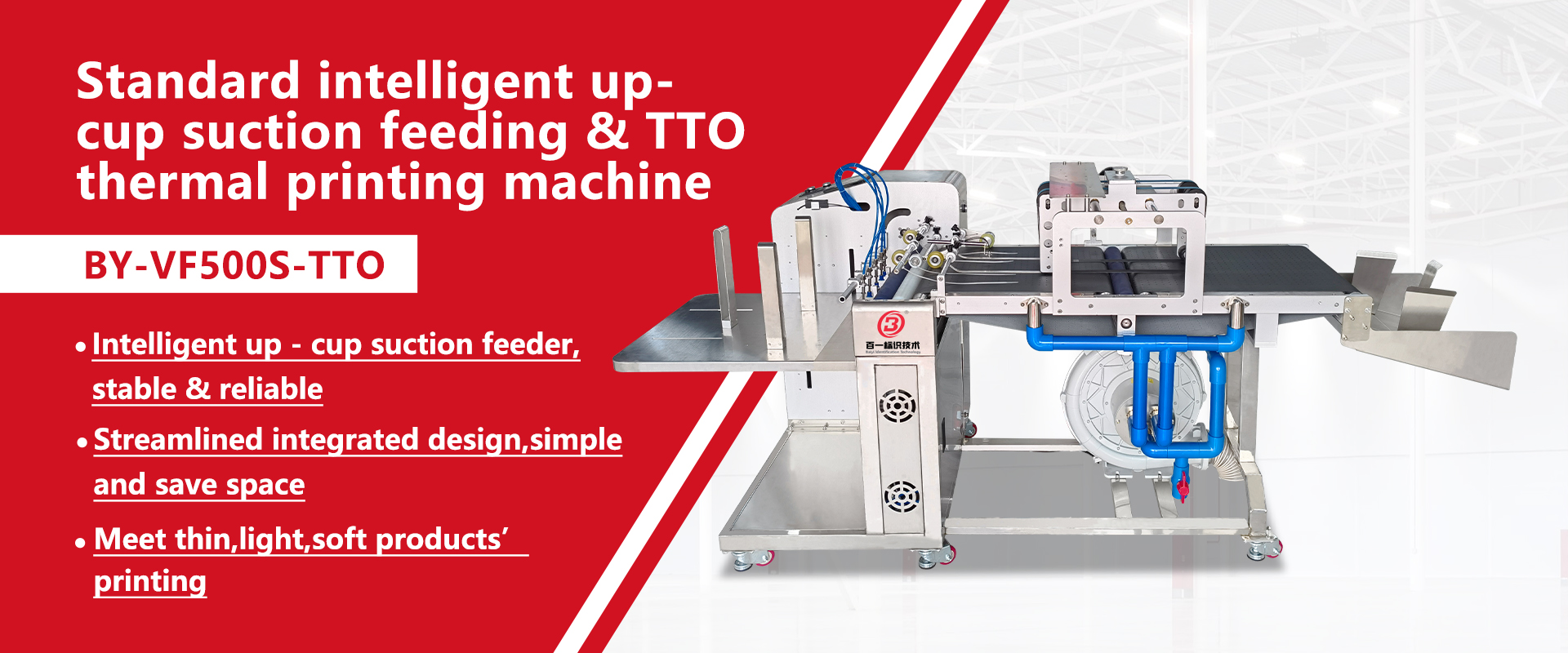
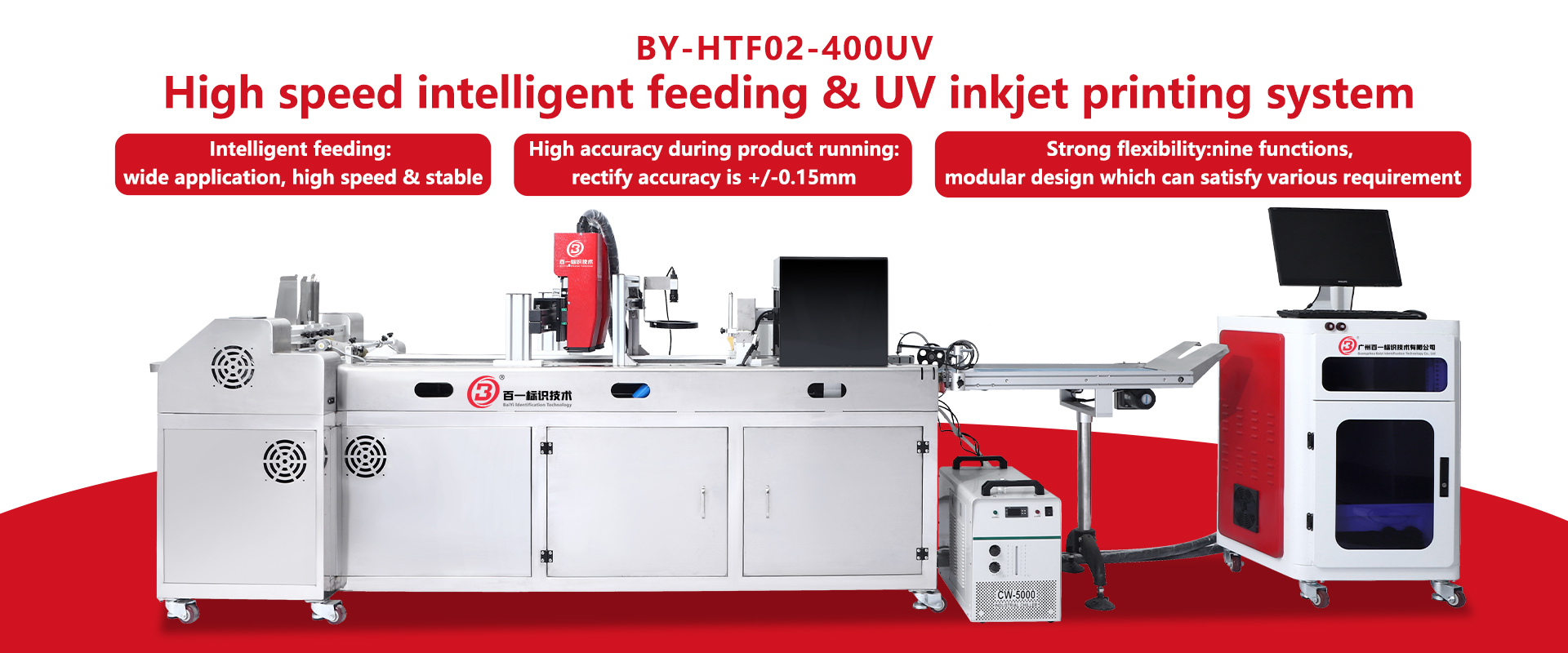
How a Standard Intelligent Card Feeding Machine Streamlines Modern Card Production

Modern card production increasingly depends on precise, automated material handling. According to MarketsandMarkets’ *Smart Card Market* report, the global smart card market is projected to grow from approximately USD 15 billion in 2023 to more than USD 20 billion by 2028, increasing pressure on manufacturers to improve throughput and consistency. A standard intelligent feeder helps streamline this process by automatically delivering cards, labels, folded paper, books, and other sheet products to packaging or existing production lines.

The equipment is compact, lightweight, and designed for fast installation, making it suitable for upgrading current workflows without major structural changes. Its open communication port supports networking with other production equipment, while the HMI and PLC control system allows operators to set quantity, timing, and operating parameters conveniently. Models such as BY-HFT250, BY-MFJ3000-06, BY-MFJ6000-07, and BY-MFJ6000-06 can support different production capacities and customized configurations.

According to Smithers’ packaging automation research, manufacturers are prioritizing waste reduction, labor efficiency, and reliable quality control as production volumes increase. The feeder addresses these needs through double-sheet detection, automatic counting, empty-material alarms, and no-product stop functions. It can operate independently or receive an external trigger, helping maintain accurate delivery while reducing manual intervention and improving continuity across modern card production lines.

FAQS

: What is a feeding machine series?

: It is a group of machines that stores, separates, or delivers parts continuously. Common types include bowl, belt, screw, linear, and hopper feeders. Each type suits different shapes, materials, and speeds. One machine rarely fits every product.

What materials can these machines handle?

They can handle powders, granules, pellets, caps, and small solid parts. Material density, moisture, size, and shape affect performance. Fine powder may collect near the screw or outlet. That residue matters.

How does a screw feeding machine work?

Material enters a hopper before a rotating screw moves it toward the outlet. The selected screw speed controls the feeding rate. A controller may adjust motor speed automatically. Moisture can cause material to bridge inside the hopper.

How does a belt feeding machine operate?

A belt carries material across a transfer or weighing section. Load cells can measure weight changes during operation. The controller adjusts belt speed to maintain steadier output. Actual results may drift.

What information should buyers provide before requesting a quotation?

Provide product samples, dimensions, target speed, weight, and operating hours. Include details about moisture, surface friction, and acceptable product variation. These details help engineers select suitable contact surfaces and feeding methods. Perfect samples can mislead.

Why are product tests important?

Site trials reveal problems that catalogue testing may miss. Testing can check orientation, speed, noise, dust, and blockage risks. Ask for test videos using real samples. A clean test room is not a factory.

What maintenance tasks are necessary?

Operators should inspect seals, guards, grounding, sensors, and emergency controls. They should also clean powder around screws, outlets, and hopper walls. Verified test loads help calibrate weighing systems. Skipping calibration is tempting, but risky.

Can feeding machines maintain accurate output for long periods?

They can provide stable output when materials and conditions remain consistent. However, humidity, batch variation, friction, and dust may change performance. Operators should compare displayed values with actual output. Recalibration remains necessary.

Conclusion

A Feeding Machine Series China refers to a range of industrial machines designed to deliver raw materials into production equipment at a controlled, continuous, and accurate rate. These machines may include screw feeders, belt feeders, vibratory feeders, and loss-in-weight systems, each suited to different materials and production requirements. Their main purpose is to improve process stability, reduce manual handling, and maintain consistent output.

Chinese feeding machines typically operate through motors, hoppers, conveying mechanisms, sensors, controllers, and adjustable speed systems. They can handle powders, granules, pellets, flakes, and other common industrial materials, depending on their structure and contact materials. Key considerations include feeding accuracy, capacity, wear resistance, cleaning access, automation compatibility, and energy efficiency. Applications cover plastics, chemicals, food processing, pharmaceuticals, agriculture, and general manufacturing. When selecting a Feeding Machine Series China supplier, buyers should evaluate quality control, safety compliance, customization options, technical support, packaging, documentation, and export requirements to ensure reliable operation in different production environments.

Sophie

Sophie

Sophie is a dedicated marketing professional at Guangzhou Baiyi Identification Technology Co., Ltd., where she specializes in promoting cutting-edge solutions in the UV printing and inkjet printing sectors. With a profound understanding of the company’s core products, including advanced coding......
Previous What is China Odm Automatic Belt Printing Machine Benefits?