
Picking the right Cij Inkjet Printer Manufacturer isn’t just about comparing prices — it’s more complicated than that. Often, a production line runs for about twelve hours a day, printing on anything from plastic caps and metal cans to cartons and cables. But even small hiccups can lead to rejected batches, shipment delays, and frustrated workers. The manufacturer you choose needs to truly understand these kind of pressures.
Benny Landa, the founder of Landa Digital Printing, once said, “Everything that can be digital will be digital.” That kind of sums up how industrial marking is changing. But, honestly, just having digital tech isn’t enough to pick the right CIJ printer. You’ve got to dig a little deeper — check how consistent the printing is, how the ink performs, how solvents are managed, how quickly service responds, and how well the system plays with your existing setup. These details really count, especially on a loud, busy factory floor.
Don’t just rely on glossy brochures, either. Ask for real uptime data, maintenance schedules, sample codes, and references from similar production lines. A good supplier should be able to tell you how their printers perform after months of nonstop use, not just in a slick demo. Plus, the best manufacturers will offer practical training, accessible spare parts, and clear, easy-to-understand technical documentation.
Experience really makes a difference here. Sure, a printer might look perfect, printing sharp characters in a showroom — but how will it handle humidity, dust, vibrations, or high-speed conveyor belts? That gap often gets overlooked but can be a big deal down the road.
This guide approaches manufacturers by focusing on E-E-A-T — that’s experience, expertise, authority, and trustworthiness. No single recommendation is flawless, because every factory’s materials, speeds, and maintenance skills are a little different. That’s exactly why you need to evaluate carefully. The right choice should truly fit your whole production process, not just look good on paper.
Choosing a CIJ printer manufacturer starts with your production reality, not a catalog. Define the substrate, print area, line speed, and daily operating hours. Record the smallest character height and the longest message required. Measure twice. A beverage line may need fast-drying ink on curved containers, while a cable line may need strong adhesion on moving surfaces. These details shape the correct printer configuration.
Production goals should be measurable. Set targets for uptime, print consistency, changeover time, and operating cost. Ask manufacturers to test your actual materials under real factory conditions. Review print samples after vibration, handling, and temperature changes. A clean sample in a showroom proves little. Experienced suppliers should explain ink selection, nozzle maintenance, solvent use, and likely failure points in plain language.
Service capability deserves equal attention. Check response times, spare-part availability, operator training, and maintenance documentation. Speak with engineers who understand your line, not only sales staff. A technically advanced printer can still disappoint when support is slow. I have found that small production details are often missed during purchasing. For example, an awkward access panel can turn routine cleaning into lost hours. Leave room for honest review, because the first requirement list is rarely perfect.
A CIJ printer may look simple on a production line. Its reliability depends on more than the printhead: ink formulation, fluid control, software, and service all matter. Ask manufacturers how long they have supported continuous inkjet systems and what applications they have handled. Experience with fast-moving bottles, dusty environments, or frequent washdowns can reveal practical knowledge that a brochure cannot.
Ask for measurable evidence. Request sample codes printed on your actual substrate, then inspect legibility after drying, handling, and exposure to normal line conditions. Discuss nozzle maintenance, startup behavior, changeover time, and fault diagnosis. A technically capable supplier should explain test conditions and limitations, not promise perfect performance everywhere. That honesty matters.
Deloitte and The Manufacturing Institute’s 2024 study projected that 1.9 million U.S. manufacturing jobs could remain unfilled by 2033.
This workforce challenge makes accessible training and responsive technical support especially important. Check whether technicians can guide operators through routine cleaning and error messages, and ask how quickly support is available.
One weakness in my own evaluation would be focusing too much on print quality; uptime depends just as much on service and operator training.
Choosing a CIJ inkjet printer manufacturer starts with the application, not the brochure. In production, I check print speed, enclosure design, nozzle access, and control-panel clarity. A machine may promise high throughput, yet poor access can turn a five-minute service task into an hour. Keep it practical. Operators should adjust message height, date codes, and line speed without calling an engineer. Ask for verified performance data from similar materials and shift conditions. Marketing claims alone are weak evidence.
Ink system decisions deserve closer testing. Standard black ink may suit cardboard, but glossy film, glass, and coated metal need different adhesion behavior. Solvent choice affects drying time, odor management, and maintenance intervals. I would request printed samples after abrasion, moisture, and heat exposure. Small details matter. Check makeup-fluid consumption, cartridge recognition, filter replacement, and recovery after a shutdown. Some suppliers provide excellent demonstrations but limited long-term service data. That gap should be questioned.
Compatibility also includes software, sensors, conveyors, and plant routines. Confirm communication options, trigger timing, character libraries, and data-handling safeguards before purchase. A printer that fits one line may fail when production changes. Ask whether technicians can support the system locally and whether spare parts remain available. I have seen teams select lower prices, then spend more on training and downtime. That mistake is understandable, but not harmless. A short site trial often reveals vibration, dust, or temperature problems that specifications miss.
Choosing a continuous inkjet (CIJ) printer manufacturer requires evidence, not polished catalog claims. Evaluate print quality on your real substrate, including curved bottles, dusty cartons, and dark films. Check character edges, contrast, adhesion, and barcode readability. A 2D code that looks sharp under factory lighting may fail after condensation or abrasion.
Speed must include recovery time, not only advertised line speed. Run a controlled trial at your target speed for at least one shift. Record missed prints, delayed starts, nozzle cleaning, and ink changes. The OEE Foundation identifies 85% as a world-class benchmark, while many factories remain near 60%. This gap exposes hidden downtime. Smithers’ inkjet market analysis also emphasizes automation, uptime, and application-specific performance as major purchasing factors. In practice, a reliable printer should restart cleanly after a short stoppage and maintain stable print placement. My own caution: short demonstrations can flatter weak equipment.
Tips: Request a twelve-hour test. Use your actual ink, substrate, speed, and message format. Ask for logged downtime data, not verbal promises. Compare solvent use per operating hour. Require service response targets and spare-parts availability in writing. Measure results twice; first impressions can be wrong.
Operational reliability also depends on operator workload. Inspect the interface with gloves. Test daily cleaning steps. Watch whether alarms explain the problem clearly. Experienced teams sometimes ignore these details, then pay through repeated micro-stoppages. A practical acceptance test should combine print samples, downtime records, barcode verification, and total operating cost.
Use these suggested weights as a starting point when comparing CIJ printer manufacturers. Test print legibility and consistency on your actual substrate, verify line speed under production conditions, and assess reliability using documented uptime and maintenance records. Adjust the weights to match your application.
Choosing the best CIJ inkjet printer manufacturer requires more than comparing print speed or purchase price. Service support often determines whether production stays stable during a difficult shift. Ask how quickly technicians respond to faults. A clear response target matters. So does access to trained local engineers.
Request the maintenance schedule before signing a contract. It should specify filter changes, fluid checks, printhead cleaning, and software inspections. Practical instructions are important. Vague promises are not enough. Ask whether engineers provide maintenance records after every visit. These records can reveal recurring problems, such as clogged nozzles or unstable ink pressure.
Spare parts access deserves close attention. Check which parts are stored locally and which require overseas delivery. A missing pump, sensor, or filter can stop a line for hours. Confirm stock levels, delivery times, and part compatibility in writing. Also ask whether technicians can identify genuine causes instead of replacing parts by guesswork.
A trial period can expose weak support. Record response times, repair quality, and communication during ordinary operation. Speak with current users if possible. Their experience may differ from sales material. A service package can look complete but still exclude travel costs, emergency labor, or software updates. That is easy to miss. One honest concern remains: even reliable manufacturers cannot prevent every failure. Your team still needs basic training, spare consumables, and a simple escalation process.
| Evaluation area | What to verify | Useful evidence or target | Why it matters |
|---|---|---|---|
| Technical support coverage | Support hours, available contact channels, supported languages, and whether help is available during your production shifts. | Written support hours and escalation route; confirm coverage for weekends, nights, and public holidays if relevant. | A printer issue outside normal office hours can interrupt a production line. |
| Response and repair commitments | How quickly support acknowledges a fault, begins diagnosis, and dispatches a technician when remote assistance is insufficient. | Request response-time and on-site service targets in writing, including service-area limitations and any service-level agreement. | Clear commitments help estimate downtime risk; response time is not the same as repair completion time. |
| Local service capability | Availability of trained technicians near the installation site and the process for arranging on-site visits. | Ask for the service territory, technician qualifications, travel charges, and a clear route for urgent callouts. | Service distance and technician availability affect practical repair time. |
| Preventive maintenance | Recommended maintenance tasks, intervals, operator responsibilities, and service visits required under the warranty. | Request the maintenance schedule and a sample checklist covering routine cleaning, inspection, and replacement tasks for the specific model. | CIJ systems use ink and make-up fluid, and the printhead and fluid path need appropriate care to support reliable operation. |
| Operator training | Training for routine operation, message changes, consumable handling, basic fault checks, and safe shutdown or startup procedures. | Confirm training format, duration, included attendees, language, refresher options, and whether training materials are provided. | Trained operators can handle routine tasks and identify when an issue requires technical support. |
| Spare-parts availability | Which parts are stocked locally, which are ordered centrally, typical replenishment times, and how discontinued parts are handled. | Ask for a parts list with part numbers, stock location, estimated lead times, and a written policy for product lifecycle support. | A repair may be delayed if a required component is unavailable, even when a technician is ready. |
| Critical spares planning | Whether the supplier can identify recommended on-site spares based on the printer configuration and production conditions. | Request a model-specific recommended spares list, indicative costs, storage guidance, and replenishment process. | A suitable spare-parts plan can reduce waiting time for selected serviceable components. |
| Ink and make-up fluid supply | Availability of the correct fluids for the printer and substrate, ordering process, shelf life, and delivery options. | Verify compatibility against the printer model and application; obtain storage instructions, safety data sheets, and typical delivery lead times. | CIJ fluids are application-specific; using unsuitable or incompatible supplies can affect print performance and equipment operation. |
| Warranty and service costs | Warranty duration, covered components, exclusions, labor and travel charges, and the cost of service after the warranty period. | Request the full written warranty and an itemized service or maintenance quotation, including consumables and common replacement parts. | Comparing the full support cost is more informative than comparing the purchase price alone. |
| Remote diagnostics and documentation | Availability of remote troubleshooting, error-code guidance, operating manuals, maintenance instructions, and software or firmware updates. | Ask for sample documentation and confirm what remote tools require, including network access, permissions, and data-security safeguards. | Good documentation and remote diagnosis can help resolve some issues without an immediate site visit. |
| Reference checks | Experience of customers with similar production hours, print applications, operating environments, and service locations. | Request permission to speak with comparable users and ask about support responsiveness, parts lead times, and maintenance experience. | Comparable operating conditions make service feedback more relevant to your own requirements. |
Note: Service levels and maintenance requirements vary by printer model, application, location, and supplier agreement. Confirm all specifications, costs, and lead times in writing before purchase.
A CIJ printer’s purchase price rarely shows its real financial impact. Ink and makeup fluid may cost more than expected during high-volume production. Include printhead cleaning, filters, spare parts, electricity, training, and scheduled servicing. Downtime matters most. A two-hour stoppage can disrupt operators, packaging schedules, and delivery commitments.
Ask suppliers for a realistic cost model based on your production speed, message height, and operating hours. Request ink consumption data from comparable applications, not laboratory conditions. Examine maintenance intervals and technician response times. A local service team may create more value than a lower initial quotation. Check whether remote support, installation, and operator training are included.
Look beyond the contract.
Supplier reliability also depends on documentation, warranty clarity, parts availability, and technical competence. During evaluation, inspect a working demonstration with your actual materials and line speed. Watch for blurred codes, solvent odors, unstable printing, or frequent cleaning. These details reveal more than polished presentations. A spreadsheet can still mislead when waste, failed batches, and emergency labor are missing. No assessment is perfect. Review the figures after three months of operation, then challenge your original assumptions.
Choosing a continuous inkjet (CIJ) manufacturer becomes practical when claims meet your production floor. A polished demonstration is not enough. Ask the supplier to print on your actual containers, using your line speed, surface material, and planned ink. Record print height, contrast, drying time, and readability after handling. A 1,000-bottle trial can reveal problems that a showroom sample hides.
The final selection should compare evidence, not promises. Review service response times, technician qualifications, spare-parts availability, training records, and maintenance procedures. Request references from facilities with similar humidity, dust, and operating hours. Check whether the supplier documents batch traceability and ink compatibility. I once treated a low purchase price as the deciding factor; later, cleaning delays cost more than expected. That judgment needed improvement.
Build a written validation plan before signing. Define acceptance criteria for startup time, print quality, reject rates, solvent use, and uninterrupted operation. Run installation qualification with the correct utilities and safety controls. Use operational qualification to test alarms, nozzle cleaning, message changes, and recovery after a planned stoppage. Performance qualification should cover several shifts and real production materials. Keep dated photos, test results, operator observations, and corrective actions. Do not hide weak data. A failed trial can expose a useful design gap. Allow time for a second test after adjustments, because the first result may not represent stable production. Have production, quality, maintenance, and procurement approve the final record.
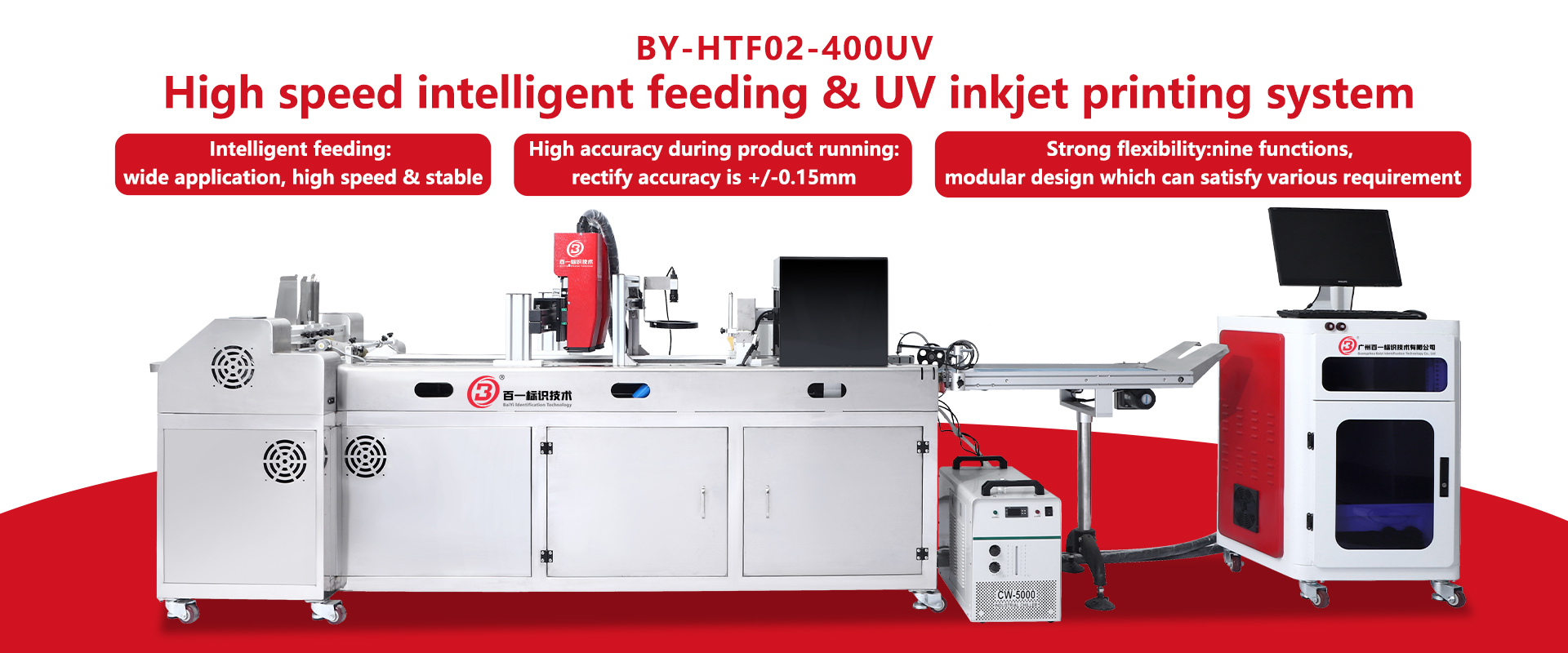
Intelligent rewinding with UV inkjet printing brings precision, efficiency, and smart production together in one integrated workflow. Designed for labels in rolls, film in rolls, paper in rolls, weaving marks, and similar materials, the system supports accurate coding during the rewinding process. By combining controlled web handling with high-resolution UV inkjet printing, it can produce clear, durable text, numbers, barcodes, variable data, and other identification marks while maintaining consistent positioning across the roll.
Operators can select the appropriate production step according to the material and order requirements. The system can unwind the source roll, print the required information, inspect the coding position, and rewind the finished material into a neat roll. Adjustable speed, tension control, and intelligent synchronization help reduce material waste and improve repeatability, even when processing different widths or product types. Its flexible workflow also makes it suitable for batch production, customized orders, and frequent data changes, allowing manufacturers to improve operating efficiency while keeping coding quality stable throughout the production cycle.
Record the substrate, print area, line speed, operating hours, character height, and longest message. Measure twice. Details matter.
Curved containers may need fast-drying ink. Moving cables may require strong adhesion. Test the actual material, not a substitute.
Set measurable targets for uptime, print consistency, changeover time, and operating cost. Keep the targets realistic. Perfect uptime is unlikely.
Request testing with your materials and factory conditions. Inspect codes after vibration, handling, and temperature changes.
Include ink, makeup fluid, filters, cleaning, spare parts, electricity, training, and scheduled service. Downtime can cost even more.
A two-hour stoppage may disrupt operators, packaging, and deliveries. Record lost production, emergency labor, and failed batches.
Check response times, spare-part availability, operator training, documentation, installation, and remote support. Speak with technical staff.
Request consumption data from comparable applications and operating speeds. Review the figures after three months. Your original assumptions may be wrong.
Inspect access panels, cleaning points, solvent use, and maintenance intervals. An awkward panel can waste hours.
Watch for blurred codes, unstable printing, frequent cleaning, or strong solvent odors. A polished presentation proves little.
Choosing the right Cij Inkjet Printer Manufacturers requires a clear understanding of your production goals, product materials, coding requirements, and expected operating environment. Start by defining the required print speed, resolution, message content, line integration, and future capacity. Then evaluate each manufacturer’s industry experience, engineering expertise, and ability to provide customized solutions. Compare printer features, ink systems, substrate compatibility, user interfaces, and integration options to ensure reliable performance across your production lines.
Print quality, operating speed, uptime, and ease of maintenance are equally important. Review the supplier’s technical support, training, preventive maintenance services, and access to essential spare parts. In addition to the purchase price, calculate total ownership costs, including ink consumption, maintenance, energy use, downtime risks, and equipment lifespan. Finally, create a validation plan involving sample testing, production trials, performance checks, and service evaluation. This structured approach helps identify a dependable manufacturer that delivers consistent coding results, practical long-term value, and support aligned with your operational needs.