
As more and more folks look for top-notch printing solutions, it's no surprise that the market for Cij Inkjet Printer Manufacturers is really booming. I read a recent report from Smithers Pira, and they've got the market hitting a whopping $100 billion by 2025. That kind of growth just shows how important it is for buyers to pick reliable manufacturers who meet the industry standards.
Johnathan Green, a pretty well-known expert in printing tech, mentioned that having the right Cij Inkjet Printer Manufacturer can actually make a big difference in how efficiently a business runs. When you start looking into brands like Markem-Imaje, Domino Printing Sciences, and Videojet Technologies, things can get a bit overwhelming because each one has its own little perks and features. It’s almost like shopping for gadgets—lots of options, and it can get confusing!
While a lot of these manufacturers do offer solid products, it's really up to the buyer to do their homework and figure out what’s actually necessary. Not every printer will be the perfect fit for every situation. Being thoughtful and evaluating your needs carefully—especially when it comes to reliability—is key. Making the right choice upfront can save you a ton of headaches down the road. With this sector growing so fast, it’s more important than ever to make smart, informed decisions to get the best results in the end.
Cij inkjet printing technology has gained traction in various industries for its versatility and efficiency. Continuous inkjet printers utilize a continuous flow of ink droplets, enabling high-speed and precise printing on diverse surfaces. Recent industry reports indicate that the global market for Cij inkjet printing is projected to grow significantly, driven by demand in sectors like food, beverages, and pharmaceuticals.
This technology offers advantages such as real-time marking and coding, ensuring that products are correctly labeled. It can print on porous and non-porous surfaces, expanding its application range. Despite its benefits, users must consider maintenance. Proper cleaning and calibration are essential to avoid failures and ensure print quality. Reports show that companies often underestimate downtime due to maintenance needs, impacting production schedules.
Moreover, the adoption of Cij technology is not without challenges. Initial setup costs can be high, and manual adjustments may be required for optimal functioning. Businesses need to weigh the advantages against such drawbacks. Cost-benefit analysis will help in making informed decisions about integrating this technology into their operations.
Continuous inkjet (CIJ) printers are essential tools in various industries. Their reliability and speed make them ideal for high-volume production environments. A recent market report stated that the global CIJ printer market is expected to grow significantly, projected to reach USD 1.6 billion by 2026. This growth highlights the demand for advanced printing solutions.
Key features of CIJ inkjet printers include high-speed printing capabilities. Many machines can achieve speeds of up to 300 meters per minute. A major advantage lies in their ability to print on various surfaces, including porous and non-porous materials. This versatility increases their utility in packaging, automotive, and food industries. Moreover, modern CIJ printers often incorporate advanced software for easy integration with production lines.
While CIJ printers excel in many areas, challenges remain. Regular maintenance is crucial to ensure optimal performance. Users often face issues with nozzle clogging, which can lead to production delays. Additionally, the cost of operation can be higher due to solvent usage. Addressing these concerns is essential for maximizing the efficiency of CIJ technology. Continuous improvement in these areas may result in even broader adoption across industries.
The global CIJ inkjet printer market is diverse, with various manufacturers leading in technology and innovation. Many companies focus on delivering high-quality printing solutions while enhancing speed and efficiency. This evolution is driven by demands in industrial sectors like food and beverage, pharmaceuticals, and electronics.
When exploring manufacturers, consider their expertise in specific applications. Look for companies that tailor printers for your industry. It’s beneficial to evaluate their technological advancements and customer service. These elements are crucial for reliability and long-term satisfaction. Manufacturers should also demonstrate a commitment to sustainability and eco-friendly practices.
Investing in a CIJ inkjet printer is significant. Understand your printing needs, production volume, and budget constraints. Thoroughly research before making a decision. Sometimes, cheaper options come with hidden costs in maintenance or ink usage. Evaluate reviews from other users to gauge performance over time. The right choice can make a substantial difference in your production line efficiency.
When exploring the landscape of Continuous Inkjet (CIJ) printers, it’s essential to compare offerings from leading manufacturers. An industry report indicates that the global market for CIJ printers is expected to reach approximately $3.2 billion by 2024, driven by increasing automation in manufacturing sectors. This growth emphasizes the need for reliable and efficient printing technologies that cater to diverse production needs.
Different brands offer various features and advantages in their CIJ printers. Some models excel in speed, achieving print rates of up to 500 meters per minute. Others prioritize durability, with components designed to withstand harsh environments. However, businesses often face challenges in selecting the most suitable printer given the range of options. Reports suggest that 72% of users encounter issues related to print quality and maintenance costs. These concerns highlight the importance of thorough research before making a purchasing decision.
Moreover, compatibility with different substrates can vary significantly. Some printers perform exceptionally well on porous surfaces but struggle with non-porous ones. This inconsistency can lead to operational disruptions. Buyers must consider the specific requirements of their production process and the potential for reflective challenges that may arise with different inks and substrates. Understanding these variables ensures a more informed choice in an ever-evolving market.
In the realm of CIJ inkjet printing, market trends are rapidly evolving. Many manufacturers have embraced eco-friendly ink formulas. This innovation reflects a growing emphasis on sustainability. Moreover, printer designs are becoming more compact. This shift allows for easier integration into various production environments.
Reliability remains a key focus as well. Manufacturers are investing heavily in technology that reduces maintenance. The push for higher printing speeds is also noticeable. Businesses need efficient solutions to meet increasing demands. However, achieving this balance between speed and quality is challenging.
Additionally, smart technology is entering the CIJ space. Integration with IoT systems offers real-time diagnostics. While this advancement is promising, it raises questions about data security. Ensuring smooth operations while protecting sensitive information is critical. The landscape is continually changing, and staying informed is essential for long-term success.
This chart illustrates the innovative advancements and market trends in the CIJ inkjet printing sector, reflecting the growing demand and technological improvements over recent years.
The CIJ inkjet printer market faces various challenges that impact manufacturers. According to a recent report from Smithers Pira, the global demand for these printers is projected to reach $1.8 billion by 2025. However, achieving this growth is hindered by technological advancements and increasing competition. Emerging technologies, such as digital printing, are transforming the industry. Manufacturers must adapt to keep pace.
Operational efficiency is another significant challenge. Many companies struggle with supply chain disruptions. Fluctuations in raw material costs have led to unpredictable pricing. This situation forces manufacturers to find innovative solutions to manage expenses without compromising quality. Furthermore, the need for sustainability adds another layer of complexity. Consumers increasingly demand eco-friendly products.
Understanding customer requirements is crucial but challenging. Keeping up with various industry standards can be daunting. Manufacturers who fail to address these issues risk losing market share. Adapting to changing regulations is essential for compliance and reputation. Continuous innovation and customer engagement are vital for long-term success in this competitive landscape.
The CIJ inkjet printing industry is poised for substantial growth in the coming years. According to recent market analysis, the global CIJ printing market is expected to reach $3.2 billion by 2026, with a compound annual growth rate (CAGR) of around 6.5%. This growth is attributed to increasing demand from various sectors, including food and beverage and pharmaceuticals.
Investments in CIJ technology improve print quality. New innovations allow for greater efficiency and less downtime. Additionally, with sustainability becoming paramount, manufacturers are focusing on eco-friendly inks. This shift will likely reframe the industry's future. However, challenges such as the need for skilled labor and the integration of new technologies remain points for reflection.
Consider environmental impacts when choosing CIJ printers. Assess ink waste and energy consumption. Balancing quality and sustainability can enhance your brand's reputation without compromising efficiency. Make informed decisions based on detailed performance reports and supplier assessments to mitigate risks in this evolving market.
| Manufacturer | Market Share (%) | Revenue (Million USD) | Growth Rate (%) | Key Innovations |
|---|---|---|---|---|
| Manufacturer A | 25 | 150 | 5 | Eco-Friendly Inks |
| Manufacturer B | 20 | 120 | 7 | High-Speed Coding |
| Manufacturer C | 15 | 90 | 4 | Smart Printing |
| Manufacturer D | 30 | 180 | 6 | Remote Monitoring |
| Manufacturer E | 10 | 50 | 3 | User-Friendly Interface |
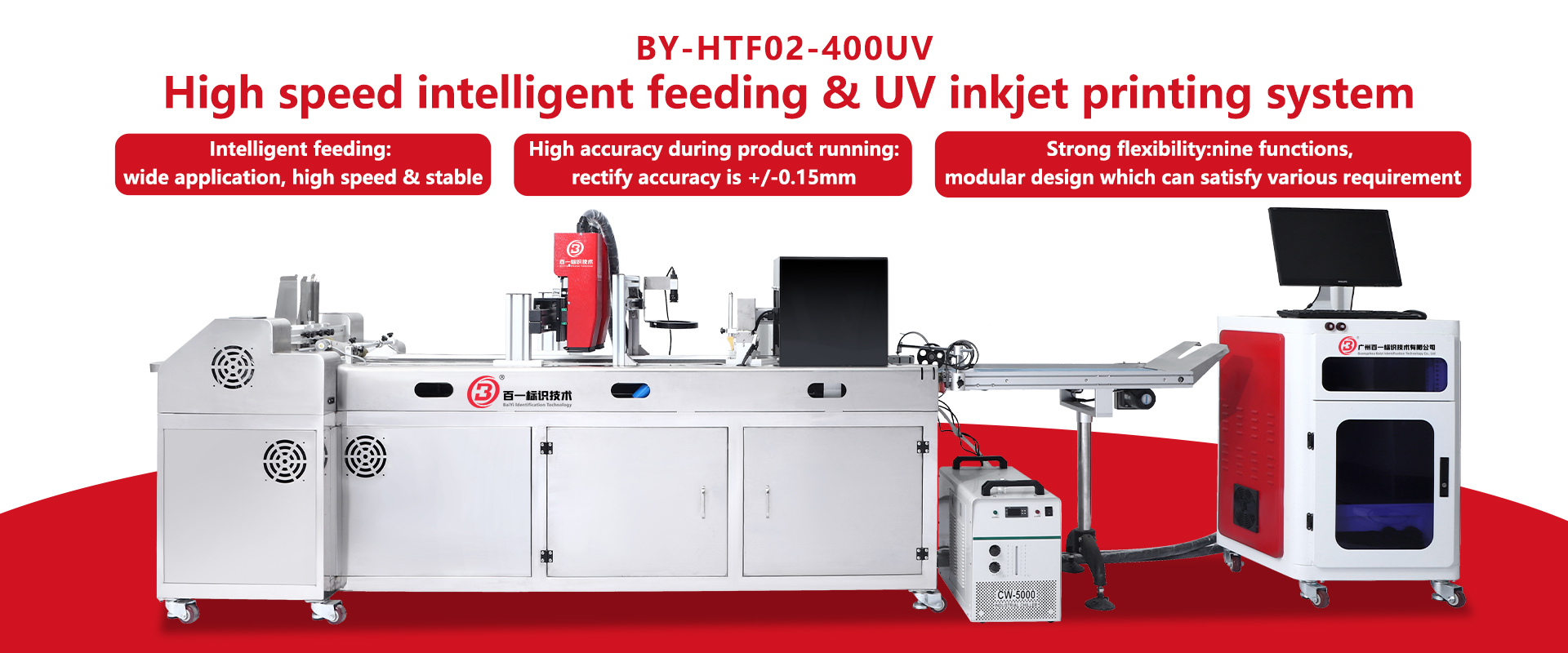
The integration of intelligent rewinding technologies within UV inkjet printing systems represents a significant advancement in the realm of label production and encoding. This innovative system caters to a diverse range of products, including roll labels, film rolls, paper rolls, and weaving marks. By meticulously adapting to varying production features, the intelligent rewinding and encoding systems optimize efficiency and accuracy, ensuring that encoding requirements are met with precision.
The synergy between intelligent rewinding and UV inkjet printing not only enhances the quality of printed images but also streamlines the entire production process. Operators can tailor the system according to specific product demand, facilitating a seamless workflow that minimizes downtime. As businesses increasingly seek ways to respond to market trends and consumer preferences, the adoption of such intelligent systems becomes crucial. This technology not only elevates the functionality of printing systems but also encourages sustainability by reducing waste and improving resource management in the production environment, positioning companies favorably in a competitive landscape.
: CIJ inkjet printing technology involves a continuous flow of ink droplets. It's efficient and versatile for various surfaces.
CIJ inkjet printing is popular in food, beverages, and pharmaceuticals. These sectors benefit from its efficiency and precision.
Benefits include real-time marking and coding. It prints on both porous and non-porous surfaces.
Regular cleaning and calibration are crucial. Neglecting maintenance can lead to print quality issues and increased downtime.
Initial setup costs can be high. Manual adjustments might be needed, complicating operation for new users.
Some CIJ printers reach speeds up to 500 meters per minute. Choosing the right speed depends on specific production needs.
Trends include eco-friendly inks and compact designs. These innovations focus on sustainability and ease of integration.
Smart technology allows real-time diagnostics. However, it raises concerns about data security for businesses.
Users often report issues with print quality and maintenance costs. This highlights the need for thorough research.
Compatibility with substrates is key. Understanding production requirements helps in selecting the right printer for operations.
The article explores the landscape of Continuous Inkjet (CIJ) printing technology, highlighting its key features such as high-speed printing and versatility across various substrates. It provides an overview of leading CIJ Inkjet Printer Manufacturers, emphasizing their roles in the global market and the innovations driving this sector. Furthermore, the article compares different CIJ inkjet printers from major brands, analyzing their performance and features to guide buyers in making informed choices.
Market trends show a growing demand for CIJ inkjet printers, spurred by advancements in technology and increasing applications across industries. However, manufacturers face challenges such as sustainability concerns and competitive pressures. Looking ahead, the future of the CIJ inkjet printing industry appears promising, with continuous innovations expected to enhance efficiency and expand market reach, ensuring that CIJ Inkjet Printer Manufacturers remain at the forefront of printing solutions.