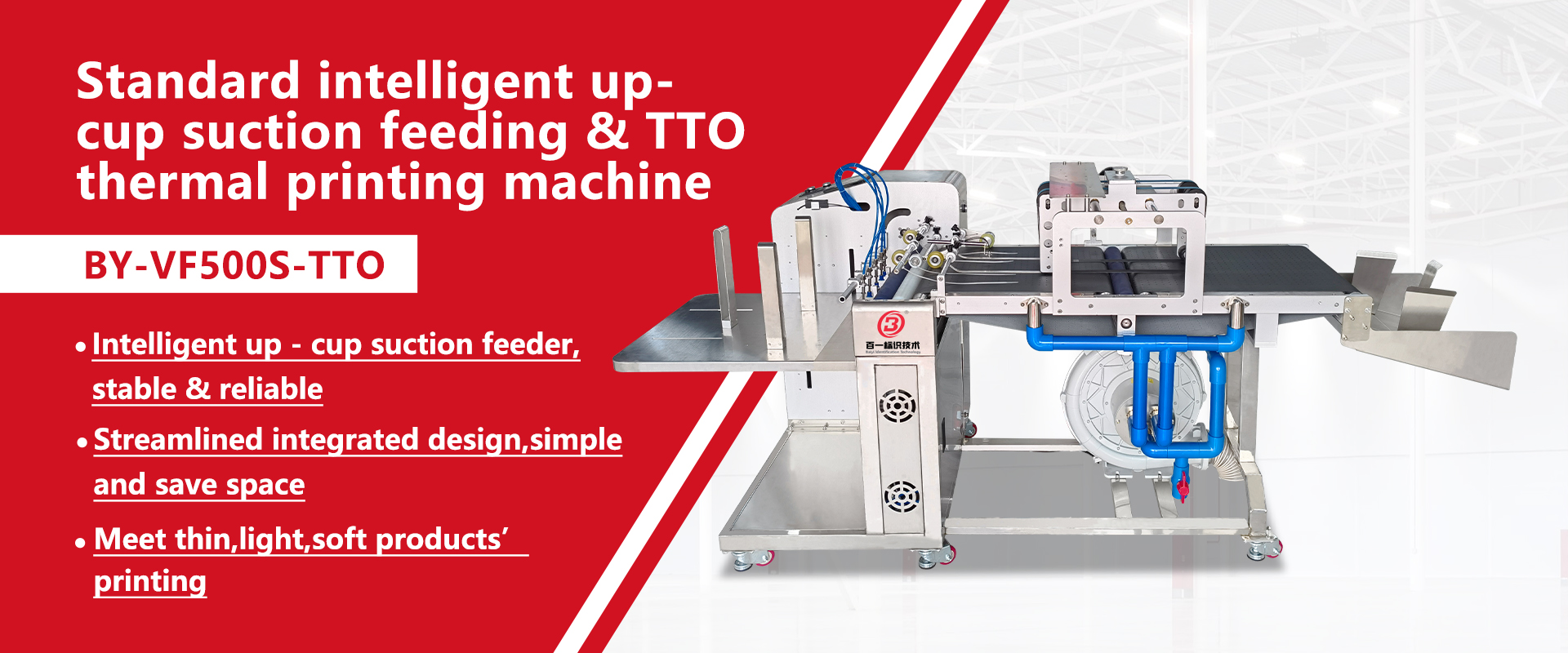

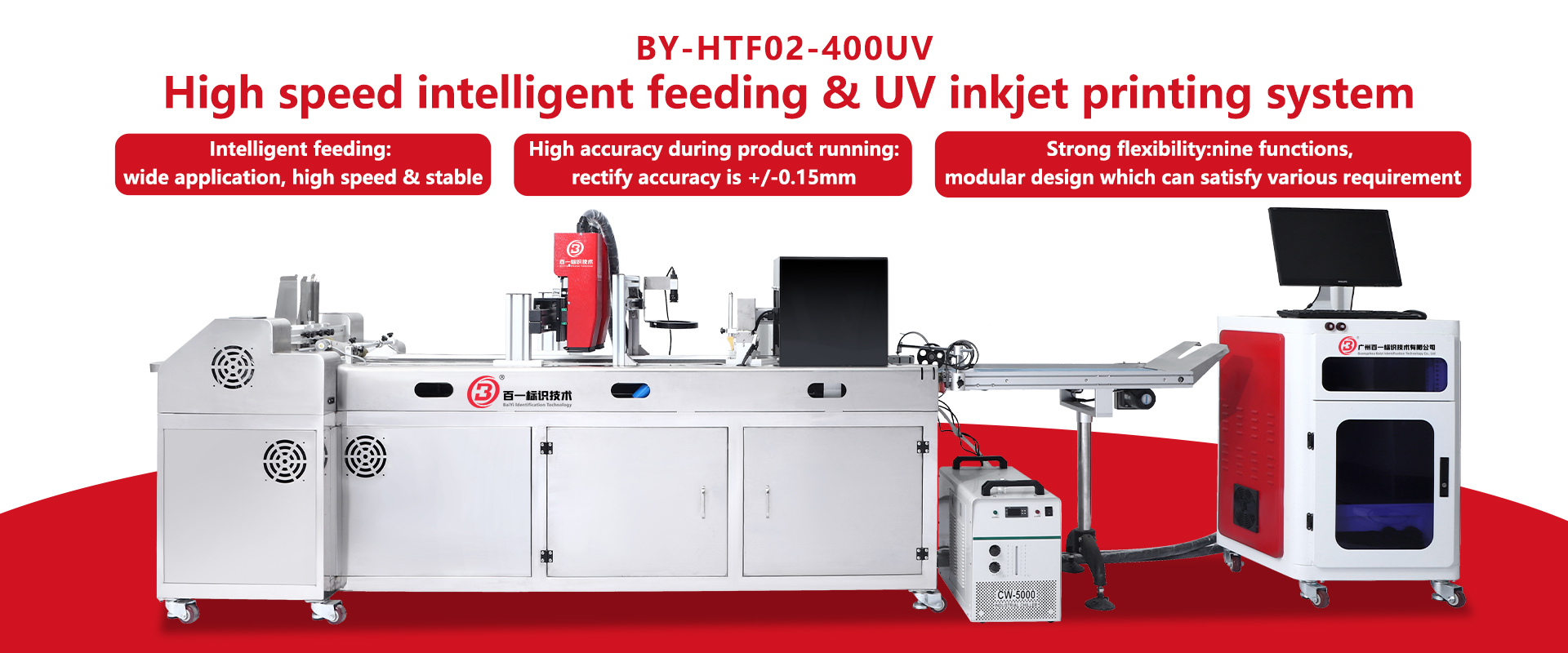

Picking a reliable high-speed feeder factory isn't just about comparing price tags in a catalog. Seriously, it's more of a deep dive—considering things like how fast the feeders actually run, how well they protect delicate parts, how quick and easy it is to switch setups, and what kind of testing and support you can count on after purchase. I mean, a feeder might look pretty slick sitting in the showroom, but when it hits oily parts, fragile surfaces, or parts with tricky dimensions, it might not perform so great.
Michael O’Neill, who’s a senior automation engineer at RNA Automation, put it simply: “A feeder should really focus on protecting the part, not just moving it from A to B.” That kind of practical perspective is what really matters on the actual production floor. A good system needs to deliver parts consistently, minimize jams, and connect seamlessly with robots, presses, and inspection stations. It's a smart move to ask for some sample testing using your real components—because little things like bowl coatings, sensor placement, noise levels, or how easy it is to do maintenance can make a big difference.
In this guide, we’ll look at ten different high-speed feeder suppliers that serve customers worldwide. We’re talking about their experience in engineering, how well they manufacture, their ability to customize, documentation quality, certifications, and how they communicate. Names like RNA Automation, Afag, DEPRAG, Performance Feeders, TAD, SANKI, and Hoppmann pop up quite often—they're good options for different needs. But honestly, each has its strengths, and no single one is perfect for every situation.
That’s the tricky part, right?
Sometimes, a factory promises high output, but there’s just not enough real-world proof to back it up. Buyers should be skeptical of sweeping claims and definitely ask for data on actual cycle times, what counts as an acceptable part, spare parts plans, and how they support commissioning. Pay attention to lead times as well—sometimes a low initial quote can turn into costly trouble down the line if the details aren’t clear.
At the end of the day, the best choice comes from a mix of proven performance and honest, straightforward technical talk. This list is just a starting point, not the final word. The key is really doing some real testing with actual components and having open, clear communication with your supplier to make sure you’re making the right call.

What High-Speed Feeders Are and Where They Are Used
High-speed feeders are automated systems that move parts, sheets, labels, or components into a machine at a controlled rate. They support stamping, packaging, assembly, printing, and electronic production lines. A feeder may use belts, rollers, vibration, or servo-driven mechanisms. The correct design depends on material weight, size, surface condition, and required feeding speed. In factory inspections, stable synchronization often matters more than maximum speed.
Tips: Check the feeder’s tested speed, not only its advertised speed. Ask for sample trials using your actual material. Inspect noise, vibration, adjustment access, and emergency-stop functions. A clean, practical layout usually saves maintenance time.
High-speed feeders help reduce manual loading and keep machines operating continuously. Packaging lines may feed cartons or sachets, while metalworking lines handle strips, blanks, or small formed parts. Electronics plants often require precise placement and gentle handling.
Poor alignment can cause jams, scratches, or inconsistent output. That is easy to underestimate. Buyers should review motor control, sensor accuracy, spare-part availability, and operator training before selecting a factory supplier.
Certification documents and clear inspection records also improve purchasing reliability. Still, no feeder fits every line perfectly; testing under real production conditions may reveal limits that brochures hide.
KN95/KF94 Face Mask Feeding & Printing Systems: High-Speed Automation for Disposable Mask Production
KN95/KF94 face mask feeding and printing systems are becoming essential to disposable mask production as manufacturers pursue higher throughput, consistent positioning, and reduced manual handling. Recent market reports forecast continued growth in automated personal protective equipment manufacturing, while filtration standards require KN95-class respirators to capture at least 95% of test particles and KF94 products to achieve approximately 94% filtration efficiency under defined conditions. These requirements make accurate material handling and clear, durable printing important parts of a reliable production line.
The standard face mask feeding and printing machine is designed for disposable face masks as well as N95/KN95 and KF94 mask production. Its compact structure, stable operation, and refined feeder technology support high-speed automated conveying and precise print placement. Models BY-TF04-300 for KF94 and KN95 masks, BY-TF04-300 for disposable masks, and BY-HTF200 for disposable masks can be selected according to product specifications and line configuration. The system can also be integrated with an existing ear-loop welding machine, helping manufacturers build a more continuous workflow.
Production teams may choose continuous feeding for maximum line efficiency or intermittent feeding when printing accuracy, inspection, or downstream timing requires controlled intervals. Because mask materials and forming designs vary, feeding and printing parameters should be matched to the specific mask type, including dimensions, surface texture, print area, and required output rate. Industry automation studies consistently identify synchronized feeding, fewer manual adjustments, and stable registration as key factors in improving production consistency and lowering material waste.

FAQS
Check production experience, engineering capability, material compatibility, speed ranges, and after-sales response. Catalog prices are not enough.
Request continuous-run videos, inspection records, and customer references. Test the feeder with your actual parts, not generic samples.
Include uneven surfaces, difficult materials, dusty parts, and the fastest planned cycle. Real conditions reveal hidden weaknesses.
Record feeding accuracy, jam frequency, noise, vibration, recovery time, and usable throughput. Maximum speed can mislead.
Look for calibrated instruments, traceable quality records, and technicians who explain failures clearly. Small details matter.
Request installation drawings, electrical details, material certificates, motor specifications, packaging standards, and realistic delivery schedules.
Strong suppliers ask about line layout, controls, maintenance, safety, and changeover work. Vague answers deserve another review.
Check spare-parts availability, remote support across time zones, warranty response times, and exclusions. Support may be less practical than promised.
Frequent adjustments can erase speed gains. Check tool-free changes, cleaning time, adjustment steps, and operator effort.
Record vibration, feeding variation, and operator concerns. A supplier that acknowledges weaknesses may prove more dependable than one promising perfection.
Conclusion
High-speed feeders are essential automation components used to move, separate, orient, and position parts accurately in industries such as packaging, electronics, assembly, pharmaceuticals, and general manufacturing. A dependable High Speed Feeder Factory should provide stable feeding performance, precise control, durable construction, low maintenance requirements, and flexible integration with production lines. Important evaluation factors include operating speed, accuracy, material compatibility, noise and vibration control, energy efficiency, safety features, and the supplier’s ability to offer customized designs.
Global buyers should compare feeder types, output capacity, adjustment ranges, control systems, installation support, and after-sales service before making a decision. Reliable suppliers should also demonstrate consistent manufacturing processes, quality inspection procedures, technical documentation, and traceable testing records. Before purchasing, buyers can verify factory capabilities through sample evaluations, video or on-site inspections, reference checks, and clear agreements covering specifications, packaging, delivery, spare parts, and warranty terms. A careful comparison helps purchasers select a supplier that balances performance, customization, quality, and long-term production value.
Related Posts
-

What is a China Friction Feeder and How Does It Work?
-

Top 10 Tto Printer Manufacturers in China for Global Buyers?
-

Top 5 High Quality China Label Feeder Manufacturers?
-

How to Choose a CIJ Printer Manufacturer?
-

Top 10 Chinese Inkjet Printers for Global Buyers?
-

How to Choose the Right Cij Printer Manufacturer for Your Needs?


