
In today’s fast-evolving tech world, inkjet printers are still pretty important. Manufacturers like Canon, HP, and Epson have really been pushing the envelope when it comes to innovation and quality. Each brand kind of has its own thing — whether it's HP's super easy wireless printing or Canon’s focus on stunning photo prints that appeal to pros. Of course, all this competition keeps everyone on their toes, constantly coming up with better features and tweaks.
Some folks have mentioned that the ink can get a bit pricey over time, which makes you wonder about long-term costs, right? Still, knowing what these major players are offering can really help you make smarter choices. It’s all about finding that sweet spot between quality, cost, and what features are most important to you. As user needs change, these companies have to keep up, or else they risk losing customers.
Getting a handle on who’s who in the inkjet game can totally make your decision easier and help you invest in a printer that actually fits your needs — without surprises down the line.
In the realm of printing technology, inkjet printers are prominent. They dominate the market, providing versatile solutions for both home and business needs. Many manufacturers contribute to this sector. Some focus on efficiency and convenience. Others prioritize high-quality color output.
One notable trend is the shift towards sustainability. Several manufacturers are looking for eco-friendly inks and recyclable materials. This shift reflects a growing awareness of environmental issues. Yet, not all brands achieve this balance perfectly. Some may still rely heavily on plastic components that contribute to waste.
When selecting an inkjet printer, consider user ratings and reviews. They often reveal insights into performance and reliability. It’s essential to examine details like ink cost and page yield. These factors significantly impact long-term expenses. Some printers may offer low purchase prices but high running costs, leading to frustration. Thus, careful research is critical.
The inkjet printer industry has seen significant growth in recent years. According to a market research report, the global inkjet printer market is projected to reach $56.5 billion by 2027, expanding at a compound annual growth rate (CAGR) of around 5.2%. This growth is largely driven by advancements in technology and an increasing demand for high-quality printing solutions in both residential and commercial sectors.
Recent data indicates that inkjet printers represent over 40% of the total printer market share. This highlights the preference for inkjet technology in producing high-resolution images and vibrant colors. However, challenges remain. Many consumers express concerns over ink costs and longevity. Reports show that nearly 30% of users feel that ink prices are excessive. This has led to discussions about alternative solutions, such as refillable ink tanks.
Moreover, as businesses shift towards sustainability, eco-friendly inks and energy-efficient printers become essential. According to a 2023 survey, 65% of environmental-conscious buyers prefer printers that minimize waste. In this evolving landscape, manufacturers must address both quality and cost-effectiveness while integrating sustainable practices. The industry must reflect on these challenges to better serve an increasingly discerning customer base.
When choosing an inkjet printer, several key features deserve your attention.
First, print resolution is crucial.
A higher resolution leads to sharper images and clearer text, especially for photographs.
Look for printers offering at least 4800 x 1200 dpi.
This ensures your prints will have vibrant colors and fine detail.
Next, consider the connectivity options available.
Many modern printers support Wi-Fi, allowing for wireless printing from various devices.
Some even offer mobile printing features. This can simplify the printing process, especially in a home office.
Additionally, check the ink cartridge options.
Printers with separate cartridges for each color can be more economical.
It allows you to replace only the color that runs out.
It's essential to reflect on the printer's speed as well.
While some models boast high ppm (pages per minute), actual performance may vary.
Users often report that real-world printing is slower than advertised.
Lastly, consider the printer's footprint.
Some compact models may save space but have smaller paper trays.
This could lead to frequent loading.
Weigh these aspects carefully to find the best fit for your needs.
When evaluating top inkjet printer manufacturers, a comparative analysis reveals significant variations in performance and value. Recent industry reports indicate that the global inkjet printer market is expected to reach approximately $56 billion by 2025, driven by strong demand in both personal and business applications. This growth highlights the importance of choosing the right brand and model tailored to specific printing needs.
Performance is a critical factor in selecting an inkjet printer. In a study conducted by a well-known market research firm, the print quality and speed of different brands were assessed. The analysis found that nearly 40% of users reported dissatisfaction with slow print speeds, especially during high-volume tasks. This highlights the need for consumers to research specifications thoroughly before making a purchase. Many brands offer high-resolution options, but users must consider the trade-off between print speed and quality.
Additionally, reliability and long-term costs are essential aspects of the decision-making process. A survey indicated that over 30% of respondents experienced issues with ink cartridge longevity in their printers. Frequent cartridge replacements can lead to increased operational costs and environmental concerns. Buyers should weigh these factors carefully and seek printers that not only perform well initially but also offer sustainable solutions for the future.
Emerging trends in inkjet printer technology are reshaping the industry landscape. According to a report by Smithers Pira, the global market for inkjet printing is set to reach $67 billion by 2025. This growth is driven by innovations like high-speed printing and new ink formulations. Recently, the rise of eco-friendly inks has garnered attention. Sustainable options are not just a trend but are becoming industry standards.
Additionally, the demand for smart features is rising. Printers now come equipped with Wi-Fi, cloud connectivity, and mobile printing capabilities. These features enhance user convenience, especially in work-from-home environments. However, these advancements present a challenge for manufacturers. They must balance affordability with cutting-edge technology. Consumer expectations continue to rise, pushing companies to innovate rapidly. Yet, not all advancements guarantee higher sales or improved user satisfaction.
Personalization and customization of prints are emerging as crucial trends. Users desire tailored printing solutions for their projects. The ability to print on diverse materials has also gained traction. Still, manufacturers face obstacles in maintaining quality while offering variety. Adapting to these needs requires constant evolution and market awareness. The industry must remain agile to navigate these complexities.
| Manufacturer | Inkjet Printer Type | Max Print Resolution (dpi) | Print Speed (ppm) | Key Feature |
|---|---|---|---|---|
| Manufacturer A | Home | 4800 x 1200 | 15 | Wireless Printing |
| Manufacturer B | Office | 2400 x 1200 | 20 | Auto Duplex Printing |
| Manufacturer C | Professional | 5760 x 1440 | 10 | Photo Quality Printing |
| Manufacturer D | Business | 4800 x 1200 | 25 | Smart Connectivity |
| Manufacturer E | Multifunction | 4800 x 2400 | 30 | All-in-One Capability |
When it comes to inkjet printers, consumer preferences are driving the market in fascinating ways. Many users seek versatility, gravitating toward models that handle various paper types seamlessly. High-quality photo printing is a significant draw for photographers. However, budget-conscious consumers often prioritize affordability over advanced features. This disparity reflects a broader trend: not all high-priced models guarantee user satisfaction.
Sustainability is increasingly influencing purchasing decisions. Many buyers now consider eco-friendly ink and recyclable materials as important factors. They are drawn to brands that promote environmental responsibility, yet there remains a lack of extensive consumer education on this. The emphasis on low-cost printing solutions can lead to overlooking the long-term expenses associated with ink replacements. Users need to balance initial costs with ongoing maintenance.
Reliability also weighs heavily on consumer choice. A printer that jams frequently or uses ink inefficiently can frustrate users. Yet, many manufacturers still struggle to deliver consistent quality across their models. This inconsistency can lead to confusion among consumers. They may find it hard to determine which models truly meet their needs, causing potential regret after purchase. Understanding these dynamics is crucial for manufacturers aiming to align with consumer demands.
The future outlook for inkjet printer manufacturers presents both challenges and opportunities. As technology evolves, consumer demands shift. Users are now seeking printers that deliver high-quality prints at a lower cost. Environmental concerns also play a significant role in shaping market trends. Eco-friendly materials and energy-efficient designs are becoming essential.
Manufacturers must adapt to these changes rapidly. There’s a growing need for innovation and improved user experiences. Pressure-sensitive inks and advanced print head technologies can enhance print quality. However, many companies struggle to balance affordability with cutting-edge features. This disconnect may leave some brands behind in a competitive market.
Next, the rise of smart printers is changing the landscape. They can connect with mobile devices easily, enhancing convenience. This integration is crucial for users who demand efficiency but can also lead to increased complexity. Some manufacturers might find it challenging to keep up with software updates and compatibility issues. Reflecting on these aspects can help companies devise better strategies for the future.
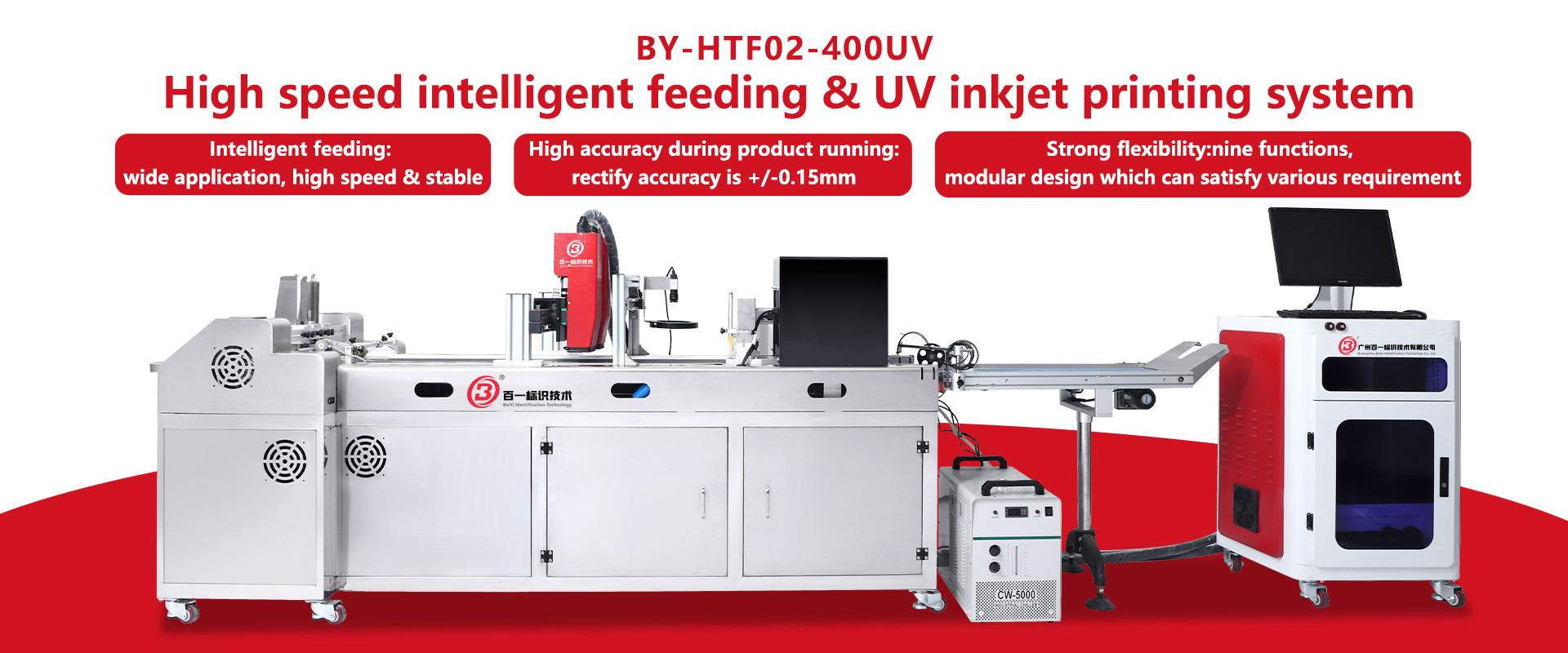
In the fast-evolving packaging industry, innovative labeling solutions play a crucial role in enhancing operational efficiency. The integration of standard rewinders with UV inkjet printers, such as the BY-SR500-TTO and BY-HR450-UV, addresses diverse label and packaging film requirements. These advanced machines are designed to fulfill a multitude of applications, simplifying processes by combining rewinding and printing capabilities in a single unit. This dual functionality is particularly important, as recent studies indicate that companies leveraging integrated technologies can boost productivity by up to 25%, significantly contributing to better ROI and cost efficiency.
These standard rewinders employ sophisticated features, such as a 7-inch colorful HMI, PLC, and micro PC for precise control. Users can easily adjust settings based on specific film and paper label characteristics, while the intelligent monitoring system ensures real-time oversight of production status. Industry reports suggest that automation in labeling processes can reduce operational errors by 30%, reinforcing the importance of investing in such innovations. The optional auto rectify system further enhances printing accuracy, catering to the increasing demand for high-quality, precise labeling in various sectors, from food and beverage to pharmaceuticals.
Incorporating intelligent controls and modular functionalities, these machines represent a significant advancement in label printing technology. As companies increasingly prioritize efficiency and adaptability, solutions like these become vital in meeting the fast-paced market demands while maintaining high standards of quality. The ongoing shift toward automated and intelligent solutions in the packaging sector illuminates the path for future developments in label printing technologies.
: Focus on user ratings, performance, reliability, ink costs, and page yield. Research is important to avoid high long-term expenses.
There's a growing demand for eco-friendly inks and materials. This reflects consumers' concern for the environment and waste reduction.
The market is expected to reach $56.5 billion by 2027, driven by technology advancements and demand for high-quality prints.
Many consumers find ink prices excessive. High running costs can make initially cheap printers frustrating over time.
Users often complain about slow print speeds and ink cartridge longevity. These issues can lead to dissatisfaction with the product.
Consider your needs. High quality may come with slower speeds. Balancing these aspects is essential for satisfying results.
More than 30% of respondents reported problems with ink cartridge longevity, leading to operational cost increases.
Look for detailed analyses and user feedback. Reviews often highlight strengths and weaknesses of different printer models.
Manufacturers are focusing on quality, cost-effectiveness, and sustainability. The industry needs reflection to meet growing consumer expectations.
Yes, some consumers discuss refillable ink tanks as possible solutions to high ink costs and sustainability concerns.
The article "Top Inkjet Printer Manufacturers You Should Know" provides a comprehensive overview of the inkjet printer industry, highlighting the leading manufacturers and the key features consumers should consider when purchasing these devices. It delves into the comparative strengths of various inkjet printer brands, offering insights into their market positioning and technological advancements.
Emerging trends in inkjet printer technology indicate a shift towards more efficient, eco-friendly printing solutions, aligning with consumer preferences for sustainability and high-quality output. The analysis also reflects current market demands, suggesting a promising future outlook for inkjet printer manufacturers as they adapt to evolving consumer needs and technological innovations. Overall, this article serves as a valuable resource for anyone looking to understand the dynamics of the inkjet printer market and the key players within it.