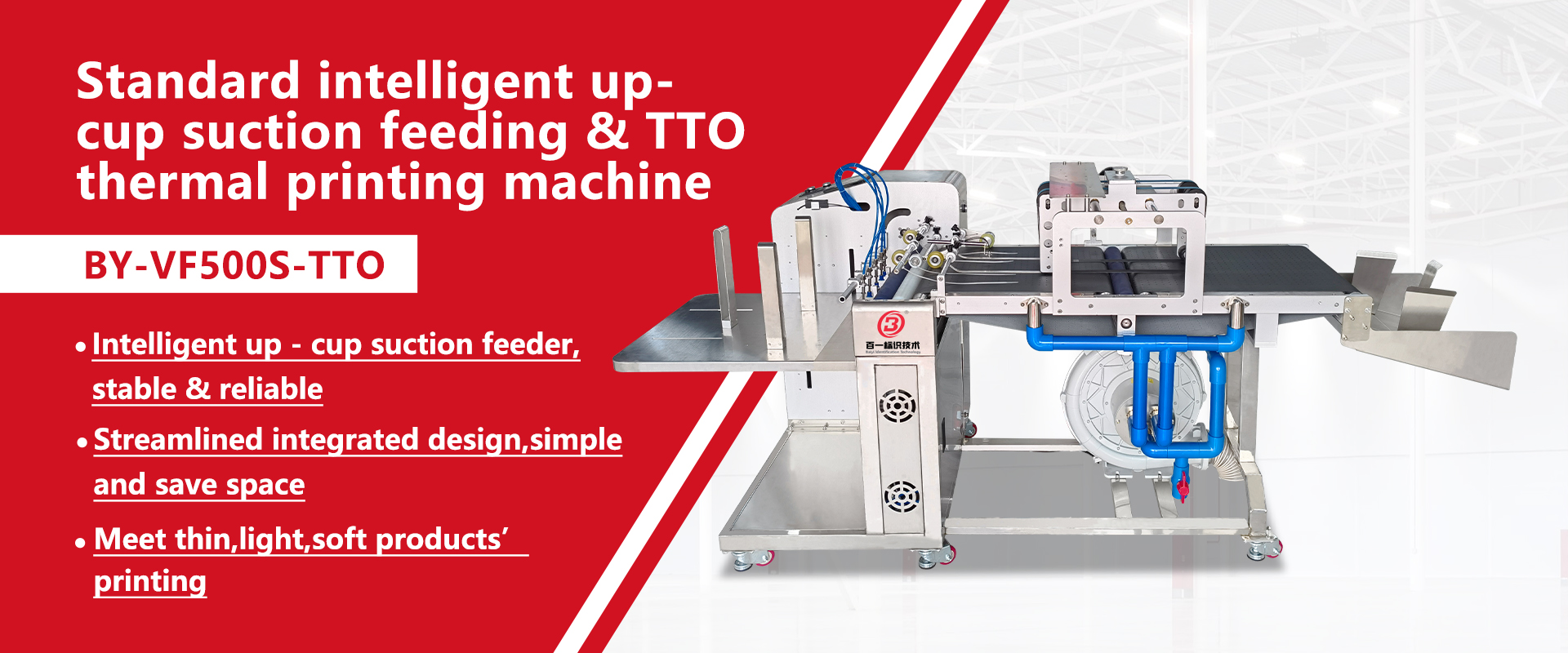

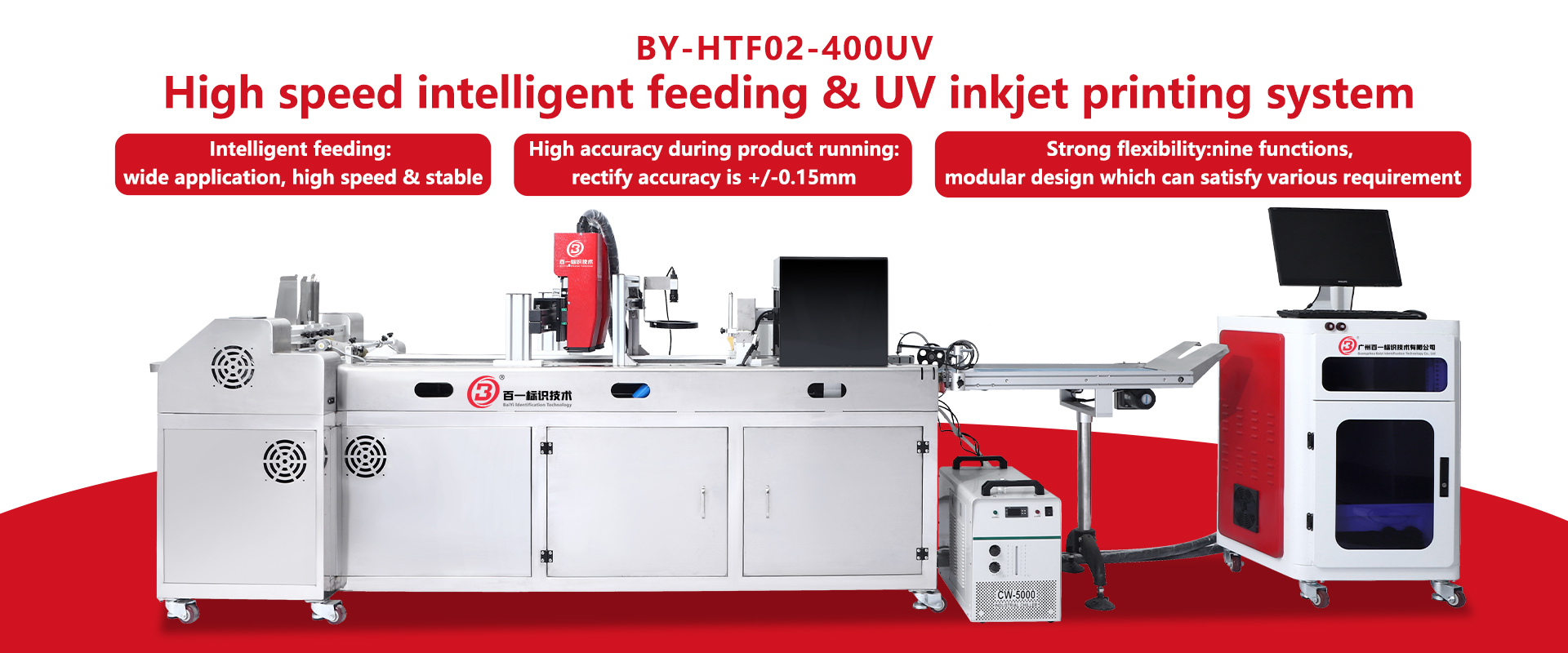

So, you wanna know what a UV inkjet printer manufacturer actually is? Well, it’s a bit more than just putting together a machine. These manufacturers are involved in designing, testing, and supporting systems that spray ultraviolet-curable ink onto all kinds of surfaces—think acrylic, glass, metal, wood, and coated papers. The cool part? UV lamps harden each layer of ink almost instantly. That means you can get sharp, detailed graphics, interesting textured effects, and even do short runs without waiting forever for things to dry.
Now, why does this matter? Market research gives us some clues. For example, Grand View Research put the global digital printing market at around USD 34.28 billion in 2023, and they expect it to keep growing well into 2030. Smithers highlights how areas like packaging, labels, and customized products are really taking off for digital printing—though, it’s worth noting, they’re talking about digital printing as a whole, not just UV systems. That’s an important distinction because the definition isn’t always crystal clear.
If you’re shopping for a machine, don’t just look at how fast it prints. You wanna dive deeper. Things like nozzle technology, how well the ink sticks, color consistency, lamp control, white ink circulation, and how compatible the software is—all of these matter. Plus, it’s smart to check out maintenance history, warranty details, operator training, and whether local support is available. Big brands like Canon, Ricoh, Fujifilm, Durst, and Mimaki are known for different approaches in the industrial and commercial digital printing space. But honestly, just knowing the brand isn’t enough; you’ve gotta verify if they actually meet your needs.
A good UV inkjet printer manufacturer isn’t just about fancy specs. They should be willing to provide real, measurable test results and ideally show samples printed on your actual material. Make sure to ask about curing efficiency, ink safety info, spare parts availability, and the overall running costs. Sometimes a sample might look perfect, but that doesn’t guarantee strong ink adhesion or stable white ink performance. Bottom line? Choosing the right manufacturer means looking at the technical details, practical experience, and how well their solutions fit your production goals.

Definition of a UV Inkjet Printer Manufacturer
What Is a UV Inkjet Printer Manufacturer?
A UV inkjet printer manufacturer is a company that designs, builds, tests, and supports printers using ultraviolet-curable ink. These machines deposit ink onto materials such as acrylic sheets, glass, metal panels, wood, and coated plastics. UV lamps or LEDs cure the ink almost immediately, creating sharp images with limited drying time.
A genuine manufacturer does more than assemble hardware. It develops printheads, ink delivery systems, curing units, control software, and safety features. Experienced engineers test color consistency, adhesion, nozzle performance, and mechanical accuracy under repeated production conditions. They also provide installation guidance, operator training, maintenance instructions, and replacement parts. This support matters because a small calibration error can create visible banding across a large panel. No machine is perfect. A dependable manufacturer should admit limitations and explain suitable applications clearly.
Tips: Ask how the printer performs on your actual materials, not only on showroom samples. Request test prints, curing details, maintenance schedules, and technical specifications. Check whether the manufacturer measures ink adhesion and color stability over time. A transparent supplier will discuss operating costs, waste, ventilation needs, and realistic production speeds. Be careful with impressive speed claims; print quality may change when coverage, resolution, or white ink is added.
| Dimension | Definition or Typical Data | Why It Matters |
|---|---|---|
| Basic Definition | A UV inkjet printer manufacturer is a company that designs, engineers, produces, tests, and supports printers that use ultraviolet light to cure specially formulated ink immediately after it is deposited onto a surface. | This distinguishes a manufacturer from a distributor, reseller, system integrator, or service provider. |
| Core Printing Technology | The printer uses digitally controlled inkjet printheads to place microscopic droplets of ink without physical plates, screens, or engraved cylinders. | Digital inkjet technology supports variable data, short production runs, rapid artwork changes, and customized graphics. |
| UV Curing System | UV lamps or UV-LED modules cure the ink after printing. Commercial systems commonly operate with ultraviolet curing wavelengths in the approximately 365–405 nm range, depending on the ink and curing design. | Immediate curing enables printed materials to be handled soon after production and reduces dependence on lengthy drying time. |
| Ink Types | Typical systems use UV-curable inks such as CMYK, light cyan, light magenta, white, clear, and specialty inks. Ink selection depends on the substrate, adhesion requirements, and intended use. | White and clear inks can support printing on dark, transparent, textured, or decorative materials. |
| Compatible Substrates | Depending on the printer configuration, UV inkjet systems may print on coated and uncoated plastics, acrylic, glass, metal, wood, paperboard, leather-like materials, ceramics, and other rigid or flexible media. | Substrate compatibility determines which applications a printer can perform and whether primers, coatings, or surface treatment are required. |
| Printer Configurations | Common configurations include flatbed, roll-to-roll, hybrid, and dedicated industrial systems. Flatbed models handle rigid sheets, while roll-to-roll models are designed for flexible media. | The machine format should match the material dimensions, production workflow, and mix of rigid and flexible jobs. |
| Color Management | A manufacturer may provide color profiles, RIP software compatibility, spot-color controls, grayscale printing, and multi-layer printing functions. | Color-management features help maintain consistent output across different materials and production batches. |
| Print Quality | Print quality is influenced by printhead resolution, droplet size, ink formulation, mechanical accuracy, media flatness, and curing control. Manufacturers may specify resolution in dots per inch and use multiple print modes for different quality levels. | Higher-quality modes generally improve detail but may reduce production speed, so buyers must balance appearance and throughput. |
| Production Speed | Actual output varies with print width, pass count, image coverage, resolution, ink density, curing requirements, and media handling. Speed should be evaluated using a defined print mode and real production artwork. | A published maximum speed may not represent the output achievable for high-quality, high-ink-coverage work. |
| Material Handling | Important systems may include vacuum tables, media clamps, adjustable printhead height, roll tension control, automatic feeding, registration systems, and bed alignment features. | Reliable material handling improves registration, reduces media movement, and supports repeatable production. |
| Safety and Environmental Controls | UV printing equipment commonly includes shielding around curing units, ventilation considerations, ink-handling procedures, and controls for exposure to UV radiation and ink vapors. | Safe operation requires compliance with applicable workplace, electrical, chemical-handling, and waste-disposal requirements. |
| Quality Assurance | A genuine manufacturer should have documented procedures for assembly, printhead alignment, curing verification, electrical testing, software testing, and final print evaluation. | Structured quality control reduces early failures and improves consistency between machines and production runs. |
| Research and Development | Manufacturer-level development may cover mechanical design, motion control, ink delivery, curing systems, software integration, firmware, printhead compatibility, and substrate testing. | In-house engineering capability can support product customization, troubleshooting, and future upgrades. |
| Technical Support | Support may include installation, operator training, preventive-maintenance guidance, remote diagnostics, spare-parts supply, software assistance, and repair services. | Service responsiveness directly affects uptime, especially when the printer is used for continuous or deadline-sensitive production. |
| Consumables and Maintenance | Routine requirements can include printhead cleaning, nozzle checks, ink-line inspection, filter replacement, wiper maintenance, lamp or LED-module care, and proper shutdown procedures. | Maintenance practices influence print quality, printhead life, operating cost, and equipment availability. |
| Application Areas | Typical applications include signage, display graphics, packaging prototypes, interior decoration, promotional products, labels, industrial markings, personalized items, and short-run decorative printing. | The best machine is determined by the required substrate range, image durability, format, production volume, and finishing process. |
| How to Verify a Manufacturer | Buyers can request technical specifications, sample prints, factory or production evidence, warranty terms, service coverage, spare-parts policies, ink documentation, and references from comparable applications. | Verification helps separate an original equipment manufacturer from a company that only rebrands or resells equipment. |
How a Standard Rewinder with UV Inkjet Printer Improves Label Finishing Efficiency
# How a Standard Rewinder with UV Inkjet Printer Improves Label Finishing Efficiency
The growing demand for short-run, variable-data, and customized labels is placing greater pressure on finishing departments. According to Smithers’ *The Future of Digital Print for Packaging to 2028*, the global digital packaging print market is projected to increase from approximately $22.0 billion in 2023 to $36.9 billion by 2028, representing a compound annual growth rate of about 10.9%. This trend requires equipment that can combine accurate rewinding, inline coding, and flexible job changeovers without adding unnecessary production stages.
A standard rewinder with a UV inkjet printer addresses these needs by integrating label finishing and variable-data printing in one streamlined process. Its modular structure can support UV printing or thermal transfer coding, while the 7-inch color HMI and PLC-based control system allow operators to adjust parameters for different films, papers, and label constructions. Linear web feeding, variable lifting speed, anti-loosening control, and white-mark or swatch sensing help maintain stable roll quality during continuous operation.
FINAT’s 2024 market reporting also highlighted the ongoing importance of operational flexibility as converters manage changing order volumes and product specifications. With real-time status monitoring, automatic alarms, and an optional automatic web-rectifying system, this rewinder helps reduce manual intervention and improve print registration. The result is more consistent label rolls, faster transitions between applications, and better suitability for both film and label production.

FAQS
A manufacturer designs, builds, tests, and supports printers using ultraviolet-curable ink. It develops printheads, curing units, software, and safety systems. Support may include installation, training, maintenance, and spare parts. No machine is perfect.
These printers commonly work with acrylic, glass, metal, wood, coated plastics, boards, and films. Surface preparation still matters. Some materials need primers or special ink settings. Test the actual material.
UV lamps or LEDs harden the ink shortly after printing. The ink becomes a solid film instead of drying slowly. Too little energy may leave a tacky surface. Too much energy can cause brittleness or color changes.
Piezoelectric printheads place tiny droplets with precise timing. Droplet size affects sharp edges, gradients, and small text. Timing errors may create visible banding. A small calibration mistake can spread across a large panel.
Flatbed printers hold rigid sheets on vacuum tables. Roll-to-roll models process films, banners, and labels continuously. Hybrid systems support both workflows. Choose the configuration that matches your daily materials.
White ink improves opacity on dark or transparent materials. Clear varnish can create gloss, texture, or spot effects. White ink often needs circulation or agitation. Heavy pigments settle quickly.
Ask whether the speed includes setup, curing checks, media changes, and cleaning. Draft mode may look impressive but reduce image quality. Added white ink can slow production. Real production tests are more useful than brochures.
Operators should clean printheads, check ink circulation, and follow scheduled calibration. Test adhesion after curing, not only visual sharpness. A crosshatch test can reveal weak bonding. Maintenance is easy to underestimate.
Conclusion
A UV inkjet printer manufacturer is a company that designs, develops, and produces printing systems that use ultraviolet light to instantly cure specially formulated inks. Uv Inkjet Printer Manufacturers combine mechanical engineering, ink delivery systems, printhead control, UV curing technology, and software integration to create reliable equipment for accurate, durable, and efficient printing. Their products may include flatbed, roll-to-roll, hybrid, and specialized printers, with configurations adapted to different material sizes, production volumes, and print requirements.
The manufacturing process typically includes component selection, system assembly, calibration, performance testing, and quality inspection. These manufacturers serve industries such as packaging, signage, interior decoration, industrial labeling, electronics, and customized product printing. When evaluating a UV inkjet printer manufacturer, buyers should consider print quality, equipment stability, production speed, material compatibility, technical support, maintenance requirements, customization capabilities, and overall operating costs. A dependable manufacturer should also demonstrate consistent quality control and provide clear documentation, training, and after-sales service.
Related Posts
-

Top 10 Uv Inkjet Printer Manufacturers in China for Global Buyers?
-

What is a High Speed Printing Feeder Manufacturer and Its Benefits?
-

Why Choose the Best Cij Printer Manufacturers for Your Business?
-

Discover the Best Odm Automatic Belt Printing Machine for Your Needs?
-

Top China High Quality Label Feeder Manufacturers for Your Needs?
-

Top 10 High Quality Supply Label Feeder Manufacturers Insights?


