


Let’s be honest: when your production line is humming along, the last thing you think about is the friction feeder. But when it jams, skews paper, or starts doubling feeds, it suddenly becomes the biggest problem in the room—and the most expensive one, costing thousands in downtime and wasted materials. According to the data, annual losses of over $85,000 in maintenance, downtime, and spoilage on packaging lines, which are directly tied to reactive, breakdown-driven upkeep of friction feeders.
This guide isn’t a complex engineering manual. It’s a straightforward talk for the people on the floor—operators, line managers, and business owners—who need their equipment to work reliably, day in and day out. It’s via 3 proven longevity strategies to maximize asset life for years, ensuring your friction feeder achieves exceptional reliability and minimizes total cost of ownership, then explore how this reliable workhorse can do even more for your business.
1. How a Friction Feeder Works: Proactively Understanding the Core to Maintain It
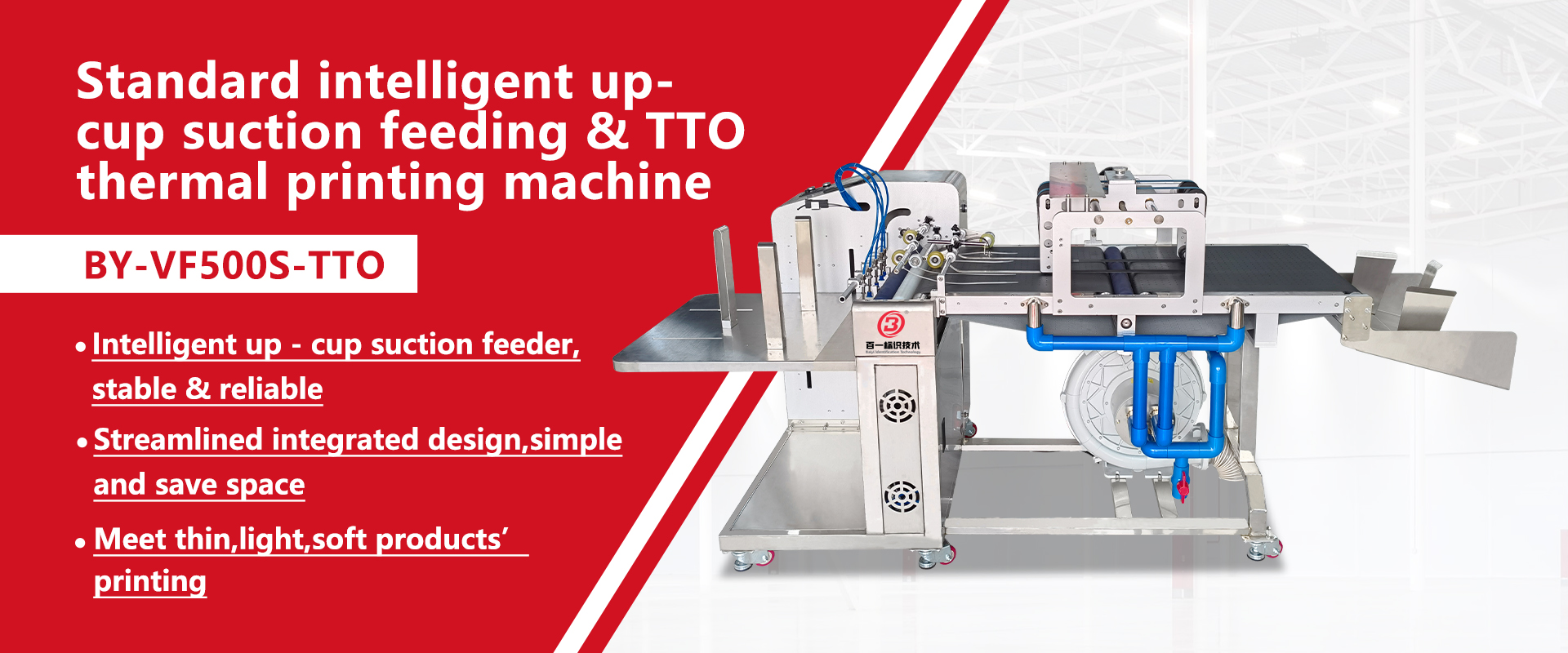
A friction feeder operates on the principle of differential friction. A rotating friction roller with a high-grip surface contacts the bottom sheet of a stack. Simultaneously, pressing belts apply controlled pressure of the stack, creating higher friction on the sheets above. This precise imbalance cleanly pulls only the bottom sheet forward. The sheet is then accelerated by conveyor into the downstream process. Consistent performance depends entirely on the condition of these wear components and the precision of their adjustments. Understanding this interplay is the first step to effective maintenance.
Wear is inherent and targeted.Proactive maintenance doesn’t stop wear but manages it predictably. The process involves scheduled inspection of these interfaces, measured replacement of consumables before failure, and data-informed calibration to compensate for gradual wear. This preserves the original equipment manufacturer’s (OEM) designed separation mechanics, preventing the catastrophic failures that occur when worn parts slip or seize.


2. Your 3 No-Nonsense Longevity Strategies
Forget reactive fixes. Let’s talk about proactive habits that build reliability from the ground up.
Strategy 1: Master the Daily & Weekly Rhythm (The “Preventative Habit”)
This isn’t about major overhauls; it’s about consistency. Think of it like checking your car’s oil and tire pressure.
The Daily Touch (5 Minutes): Before startup or after shutdown, power off and lock out the friction feeder. Take a clean, dry cloth and wipe down the main friction roller and the conveyor. Clearing away dust, paper fibers, and any tiny impurities, causing jam or slip.
The Weekly Check (10 Minutes): Run a few sheets. Listen for any new grinding or chirping sounds. Watch to see if the sheets feed perfectly straight into the next machine. Check the friction belt —does the friction feel the same as last week? This sensory check catches small issues before they become big ones.
Strategy 2: Win the War on Wear Parts (The “Predictable Swap”)
Wear parts like friction rollers and pressing belts are consumables, like printer ink. The goal is to replace them on your schedule, not the machine’s failure schedule.
Your Wear Part Tracker (Table Form):
| Part to Watch | Signs It’s Wearing | The “Smart Swap” Rule |
| Main Friction Roller | Surface looks glossy/slick, rather than slightly sticky | If it’s lost its grip, replace it. Don’t wait for it to fail |
| pressing belt | Look thin, deformed, or are visibly contaminated | Check monthly. Replace when thickness is below spec or performance drops |
| Friction belt | Have flat spots, cracks, or feel hard | Replace as a matched set to ensure even feeding and prevent skew |
Strategy 3: Know Your Machine’s “Normal” (The “Baseline Awareness”)
Every machine has a personality. Documenting its “healthy” state is powerful.
- Keep a Simple Log: A notebook or a spreadsheet by the machine. Note the date and any adjustments, part changes, or unusual events (e.g., “Oct 26, increased brake pressure for new glossy stock”).
- Take “Before” Photos: When you install new rollers or belts, take a phone picture. This gives you a perfect visual reference for future wear comparison.
- 3.Track Performance: Know its sweet spot. What’s its clean, reliable run speed? If you have to slow it down to avoid jams, that’s a symptom to investigate.
3. How to Select Maintenance Tools & Parts for Your Specific Friction Feeder Model
Selecting the right consumables and tools is as critical as the maintenance schedule itself. Use this checklist for long-term friction feeder upkeep:
☑️ Factor 1: Match the Material: Ensure replacement rollers match the original’s hardness and surface texture. The wrong material ruins performance.
☑️ Factor 2: Quality Over Price: Genuine or high-quality OEM-compatible parts last longer and perform consistently, saving money in the long run.
☑️ Factor 3: Keep a Spare Parts: For critical wear parts (roller, pressing belts, belts), keep a maintenance kit on the shelf. It turns emergency downtime into a quick 20-minute swap.
☑️ Factor 4: Documentation & Logging System: Use a cloud-based or physical maintenance logbook specific to the friction feeder model. Record every inspection, adjustment, and part change with date and technician notes.
4. Beyond Maintenance – Making Your Friction Feeder a Business Asset
Once your friction feeder is humming reliably, it becomes a platform for bigger wins. Let’s talk about what comes next.
1. Unlock Hidden Capacity and Quality
A well-maintainedfrictionfeeder isn’t just about avoiding stoppages; it’s about enabling peak performance.
- Boost Line Speed:When you trust your friction feeder, you can confidently run your printer or packaging machine at its optimal speed, not the speed the friction feeder can barely handle.
- Sharpen Print Quality:Consistent, straight feeding is the foundation for perfect print. A reliable friction feeder directly reduces misprints and waste.
- Tame Difficult Materials:With the right, well-maintained wear parts, you can confidently run specialty stocks—like synthetic labels, coated cards, or thin films—that would jam a neglected machine.
2. The True Cost of “Run-to-Failure” (A Simple Math)
Let’s compare two approaches over a year:
-The Reactive Way (Fixing It When It Breaks):
Costs: 3 emergency downtime events (4 hours each), 2 ruined print runs, multiple overtime call-outs.
Result: High stress, wasted material, missed deadlines, and Total Cost: HIGH.
-The Proactive Way (Following the 3 Strategies):
Costs: Planned downtime for 2 scheduled part changes, routine cleaning time, a few spare parts on the shelf.
Result: Predictable production, high morale, lower waste, and Total Cost of Ownership: LOW.
3. When Is It More Than Just Maintenance? Considering an Upgrade.
Ask yourself these questions:
- Are you constantly battling the same issues despite good maintenance?
- Do job changeovers eat up more than 30 minutes of production time?
- Are you avoiding profitable orders because your current friction feeder can’t handle the material?
If “yes” is a common answer, the solution may not be better maintenance, but better technology. Intelligent friction feeders(internal link)with auto-adjustment and smarter controls turn these daily challenges into automated, solved problems. It’s an investment that pays off in flexibility and peace of mind.
4. Your Team: The Most Important Component
The best strategy only works with a trained team.
Empower Your Operators: They see and hear the machine all day. Train them on the daily checks and encourage them to report the smallest changes.
Create Visual Aids: Put a maintenance checklist or a simple flowchart right on the machine.
Share the “Why”: Explain how a 5-minute wipe-down saves a 4-hour breakdown. When people understand the impact, they own the process.
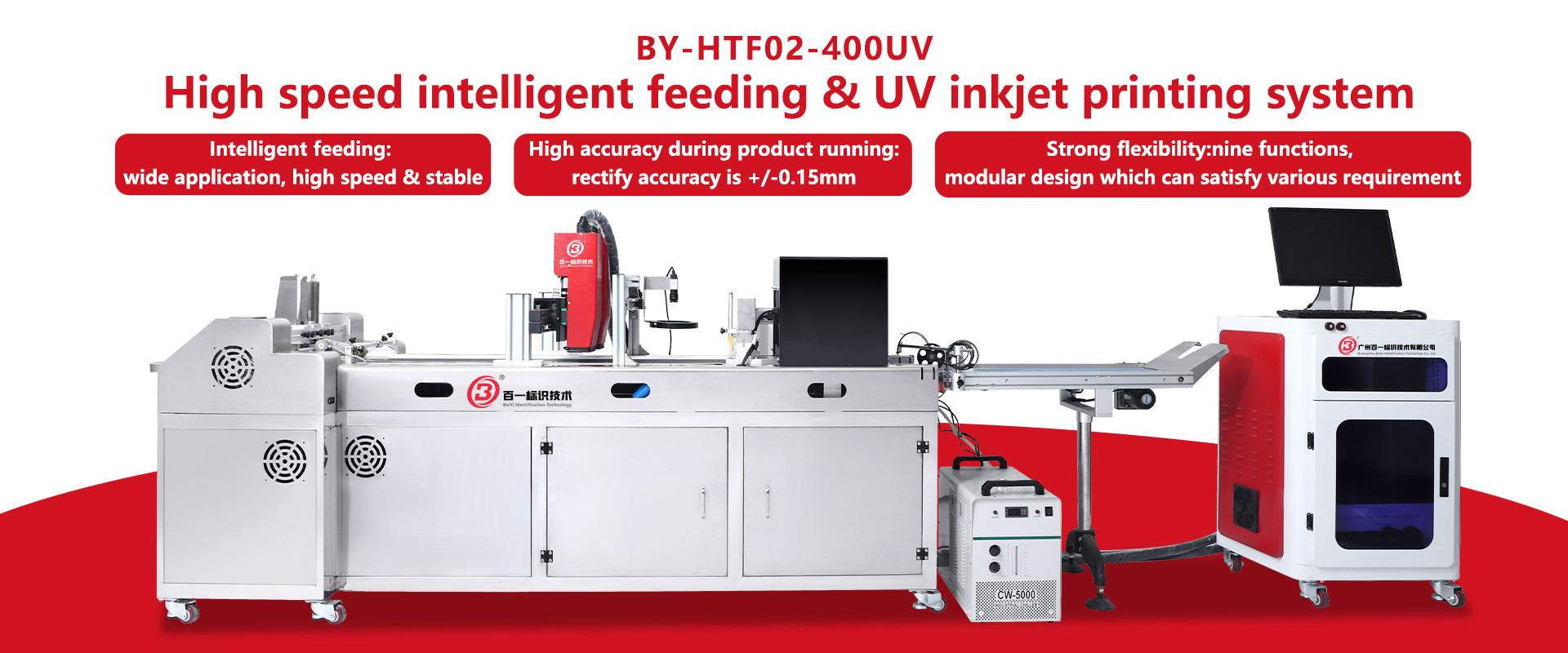
A rock-solid friction feeder is the first step in a precision printing line. See how it pairs seamlessly with a high-accuracy UV inkjet printer for flawless results. If you’re running a mix of materials, our guide on selecting the right feeder for paper, film, and board will help you make a confident choice.
Post time: Jan-20-2026


