
0%

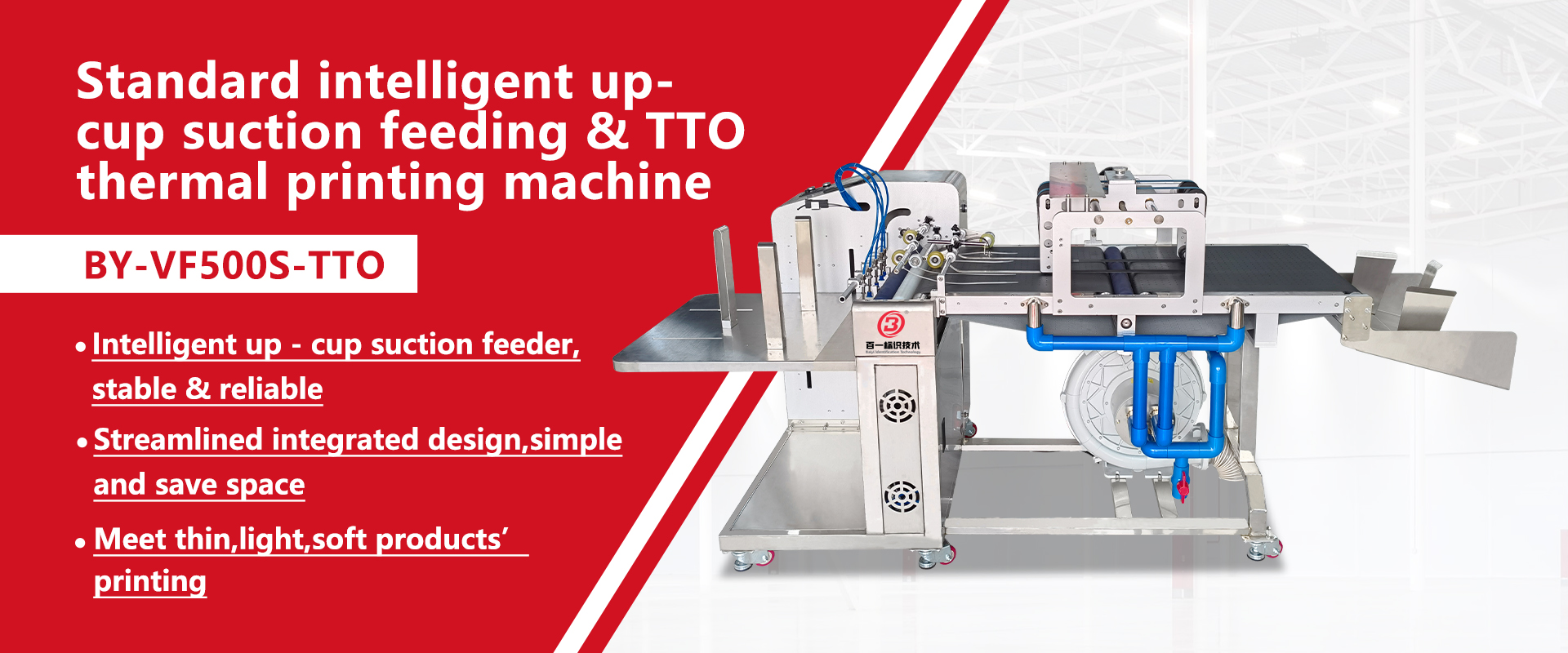
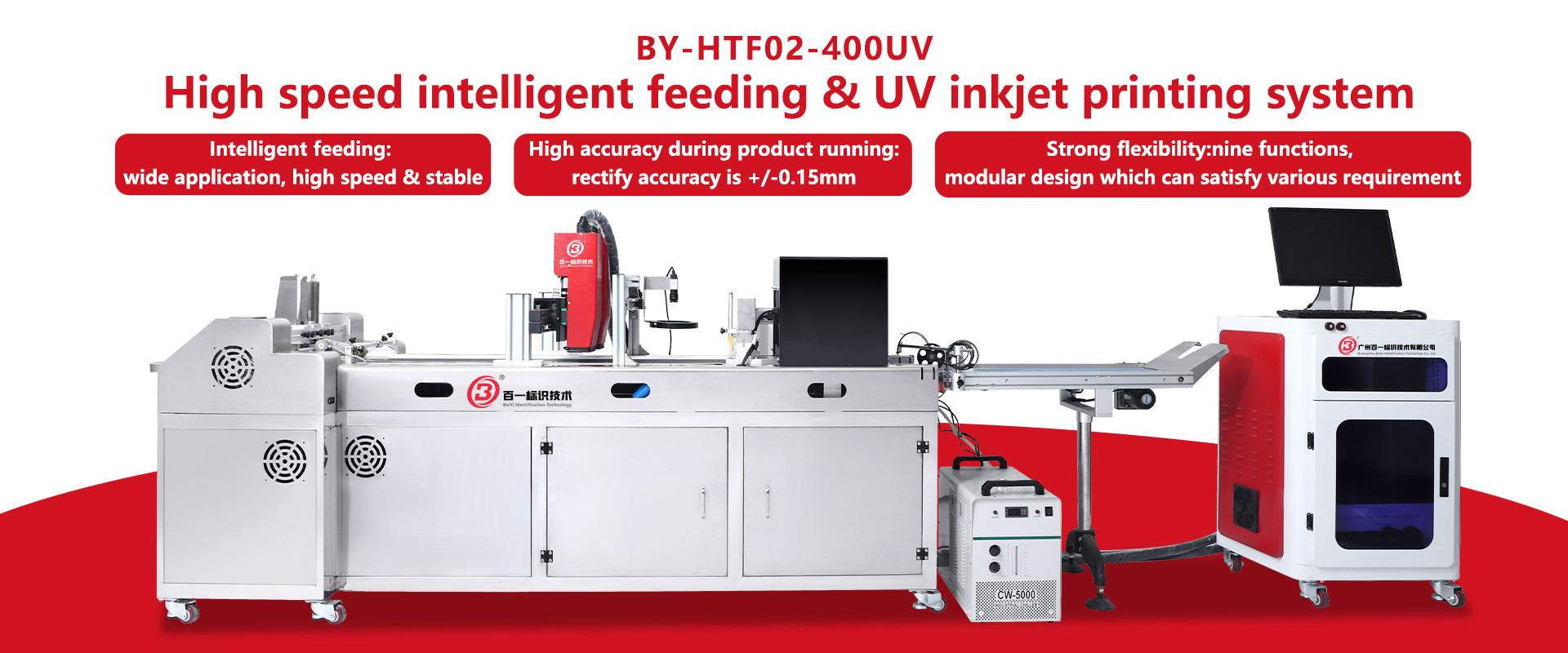
The China Friction Feeder really plays a crucial role when it comes to automating a bunch of industries today. Thanks to tech improvements, it’s now a key player in boosting efficiency across the board. I read in a report by Smithers Pira that the market for these automated feeding systems is actually expected to grow by about 8.5% each year. Pretty impressive, right? A lot of this growth comes from companies needing more precision, especially in packaging and distribution jobs—they want things to run smoothly and accurately.

The way the China Friction Feeder works is pretty neat—it uses a friction-based process to move materials with accuracy. This means less waste and faster, more efficient production lines. That’s a big deal for businesses that are really focused on operating at their best. You see industries like food packaging and pharma increasingly depending on these feeders to make their processes easier and more reliable. But, fair warning: it’s not all perfect. Some users have mentioned issues with matching the feeder to different materials or fine-tuning the system, which can be a bit of a headache.

If you’re thinking about investing in a China Friction Feeder, it’s worth taking some time to really consider your specific needs versus what the technology can offer. And, yeah, the upfront cost can be pretty steep. Still, in the long run, the efficiency and savings usually make it worth it. Brands like KHS and Bosch stand out—they back their products with thorough testing and solid support. Bottom line? Finding the right balance between what the technology offers and your actual needs is key to really getting the most out of these friction feeders.

What is a China Friction Feeder and How Does It Work?

What is a Friction Feeder and Its Importance in Manufacturing

Friction feeders play a crucial role in modern manufacturing. They automate the process of feeding items like labels, envelopes, and small products onto production lines. This enhances efficiency and reduces manual labor. According to a report by the Packaging Machinery Manufacturers Institute, automation in packaging can boost productivity by up to 30%. This is significant in industries where speed and accuracy are vital.

What makes friction feeders distinct is their ability to handle a wide range of materials. They can feed various substrates without extensive adjustments. This versatility can lead to challenges, though. Different materials may require unique settings to ensure smooth operation. Issues like jamming or misfeeds can arise if not managed properly.

In terms of design, friction feeders incorporate advanced technologies. Sensors monitor the flow of items, providing real-time feedback. This helps in making adjustments on the fly. However, implementing such systems often requires skilled operators. Insufficient training can hinder performance. Manufacturers must balance high-tech solutions with effective personnel training for optimal results.

The Working Principle of a China Friction Feeder

A China friction feeder is an essential machine used in industrial settings. Its primary purpose is to feed products like envelopes, cards, or labels into production lines. The feeding mechanism relies on friction, hence the name. The device ensures precise and continuous movement of materials while minimizing damage.

Inside a friction feeder, a series of rollers create friction against the material. This movement pushes the items forward at a controlled speed. According to a recent industry report, friction feeders can increase production efficiency by up to 30%. However, this efficiency depends on proper setup and maintenance. Incorrect alignment or worn-out parts can lead to jams and decreased performance.

Another critical aspect of friction feeders is their adaptability. They can handle various material sizes and thicknesses. This versatility is a significant advantage in dynamic manufacturing environments. Some designs allow quick adjustments for different product specifications. Yet, it's important to remember that such adaptability may occasionally result in inconsistencies, necessitating regular calibration. Overall, understanding the mechanics of China friction feeders can significantly enhance operational workflows in different industries.

Key Components of a China Friction Feeder

A China friction feeder is a specialized device designed for high-speed feeding of products. Its efficiency relies on several key components that work in harmony. The most important part is the feeder belt. This belt holds and transports items smoothly, ensuring precise alignment as they move through the production process.

Next, rollers play a crucial role. These rollers create friction that helps grip the products. They ensure consistent feeding and reduce jams. Additionally, sensors are integral to the feeder. They monitor the speed and position of items, allowing quick adjustments when needed. This enhances the overall performance and reliability of the machine.

Finally, the control system deserves attention. It coordinates all components, ensuring they work together seamlessly. Users often overlook the importance of regular maintenance. Neglecting this can lead to unexpected issues. A friction feeder’s effectiveness greatly depends on its components' proper functioning. Regular checks help identify potential problems before they escalate.

Applications of China Friction Feeders in Various Industries

China friction feeders are versatile machines widely used in various industries. Their unique design allows them to handle and feed materials efficiently. Many manufacturers utilize these feeders in packaging, Postal services, and printing industries. The speed and precision of a friction feeder can significantly enhance workflow processes.

In the packaging industry, friction feeders automate the placement of items into boxes or envelopes. They ensure that packaging is quicker and more accurate, thus reducing labor costs. In the postal sector, they can feed mail pieces into sorting machines, drastically speeding up sorting time. Additionally, printing companies use friction feeders to manage sheets or labels correctly, ensuring high-quality outputs.

Tips: Regular maintenance is crucial for optimal performance. Lubricate moving parts to prevent wear. Also, consider the specific material type being fed, as this can influence the feeder's efficiency. Adjustments may be needed based on the dimensions of items. Always consult the user manual for best practices.

Advantages of Using China Friction Feeders in Production Lines

China friction feeders are gaining popularity in production lines due to their efficiency. These devices streamline the feeding process for various materials. They use friction-driven mechanisms to move items smoothly and accurately, ensuring precision in high-speed operations.

One significant advantage of using friction feeders is their adaptability. They can handle different sizes and shapes of items without requiring extensive adjustments. This flexibility saves time and reduces downtime in manufacturing settings. Additionally, friction feeders minimize the risk of damage to delicate materials, which is critical in sectors like packaging and printing.

However, not all friction feeders are perfect. Some users find that maintenance can be challenging. Minor adjustments are often needed to maintain optimal performance. Organizations must weigh these factors carefully. Investing in a friction feeder requires awareness of both its benefits and limitations.

Comparison Between Friction Feeders and Other Feeding Systems

Friction feeders are gaining traction in various industries for their efficiency. They work by using friction to move products through a specified feed path. This unique mechanism allows for precise control over the delivery speed and alignment of items.

When comparing friction feeders to traditional feeding systems, notable differences become apparent. Traditional systems often rely on gravity or mechanical methods to move products, which can lead to misalignment and jams. Data shows that friction feeders can increase feeding efficiency by as much as 30%. This efficiency helps reduce downtime and improves overall production flow.

**Tip:** Regular maintenance of your friction feeder ensures consistent performance. Keeping moving parts clean is essential to prevent friction loss.

Friction feeders demonstrate versatility as well. They can handle various materials, such as paper, envelopes, and plastic. However, their unique design may not be the best fit for all applications. It's crucial to assess specific production needs before choosing a feeding system.

**Tip:** Evaluate your product type and weight to select the best feeder. Some items may perform better with alternative feeding options.

Comparison of China Friction Feeders and Other Feeding Systems

Feature China Friction Feeder Other Feeding Systems
Feeding Method Friction-based Gravity or vibration-based
Speed High Speed Variable Speed
Material Compatibility Various materials Limited to specific materials
Maintenance Low Maintenance Moderate to High Maintenance
Installation Simple Installation Complex Installation
Cost Cost-effective Generally Higher Cost

Maintenance Tips for Longevity of China Friction Feeders

Maintaining China friction feeders is crucial for their longevity and optimal performance. Regular checks can significantly reduce wear and tear. Operators should focus on cleaning the feeding mechanisms frequently. Dust and debris can hinder the feeding process, leading to downtime. According to industry reports, over 30% of feeder failures stem from improper maintenance practices.

Lubrication plays a vital role in the upkeep of these machines. Utilizing the correct type of lubricant at recommended intervals can prolong the life of moving parts. Neglecting this aspect may result in increased friction and overheating. The friction feeder's efficiency can drop by 20% if lubrication is overlooked. Operators should also inspect belts and rollers regularly for signs of damage or wear. A proactive approach can prevent costly repairs.

Training staff on proper operation techniques is essential. Misuse often leads to mechanical issues that could have been avoided. In some settings, nearly 50% of feeder malfunctions are tied to operator error. A focus on comprehensive training and routine maintenance checks can enhance reliability. However, it’s important to acknowledge that even with all precautions, unexpected breakdowns may still occur, prompting a need for a contingency plan.

FAQS

: What is a friction feeder?

: A friction feeder automates feeding items like labels and envelopes on production lines. It enhances efficiency and reduces manual labor.

Why are friction feeders important in manufacturing?

They boost productivity by up to 30%, crucial for industries relying on speed and accuracy.

What materials can friction feeders handle?

They can handle a wide range of substrates with limited adjustments, enhancing versatility but requiring careful management.

What challenges might arise with friction feeders?

Jamming or misfeeds can occur if unique settings for different materials aren't properly managed.

How do sensors contribute to friction feeders?

Sensors monitor item flow, providing real-time feedback for adjustments, although skilled operators are often needed for optimal use.

What is a key component of a friction feeder?

The feeder belt is essential for transporting items smoothly and ensuring precise alignment during production.

Why is regular maintenance important?

Neglecting maintenance can lead to unexpected issues. Regular checks help identify problems and ensure the feeder operates efficiently.

What industries use friction feeders?

They are widely used in packaging, postal services, and printing, enhancing workflow and reducing labor costs.

What kind of adjustments may be needed with friction feeders?

Adjustments based on item dimensions and specific material types can influence the feeder's efficiency.

How can operators improve friction feeder performance?

Proper training and understanding the user manual are crucial. Mistakes in operation can lead to poor output quality.

Conclusion

The China Friction Feeder is an essential piece of equipment in modern manufacturing, designed to automate the feeding of various materials such as labels, cards, and envelopes into production lines. Its importance lies in enhancing efficiency and accuracy, thereby reducing manual labor and minimizing errors. The working principle involves the use of friction to precisely control the flow and placement of materials, ensuring a seamless integration into processes.

Key components of a China Friction Feeder include feed belts, friction rollers, and sensors that work together to deliver consistent performance. These feeders find applications across diverse industries, such as packaging, printing, and pharmaceuticals, where speed and precision are paramount. The advantages they offer, including improved productivity and reduced operational costs, make them superior to other feeding systems. Proper maintenance is crucial for longevity and optimal performance, enabling manufacturers to leverage the full benefits of China Friction Feeders in their operations.

Ethan

Ethan

Ethan is a dedicated marketing professional at Guangzhou Baiyi Identification Technology Co., Ltd., where he leverages his extensive knowledge of the company's core products, including UV printing systems, inkjet printers, coding machines, label rewinders, and card feeders. With a passion for......
Previous Top 10 Cij Printer Suppliers in China You Should Know?