
0%

In today’s fast-changing world of manufacturing and logistics, picking the right China Friction Feeder isn’t just a small detail — it’s actually a pretty big deal. If you’ve been paying attention to industry reports, like those from MarketsandMarkets, you’ll notice that demand for automated feeding solutions is growing steadily — over 15% every year. With so much competition out there, making the right choice can really make or break your efficiency and productivity.

Dr. Michael Zhang, a well-known expert in automation circles, once said, “Choosing the right friction feeder model isn’t just about picking something off the shelf; it’s a strategic move for your success.” That really drives home how important it is to get to know the features and specs of all the different models available in China. Industry pros agree that this decision isn’t just about speed — it impacts accuracy, costs, and overall smooth running of your operations.

When companies are thinking about getting a China Friction Feeder, they need to think about what they actually need — like how much they produce and what kinds of packaging they use. Honestly, it’s not always easy to figure out which model fits best. Not every option will work perfectly for every operation, which could cause some headaches later on. So, doing your homework, talking to experts, and really understanding your needs before making a decision is super important.

Ultimate Tips for Choosing a China Friction Feeder Model?

Understanding the Basics of China Friction Feeders

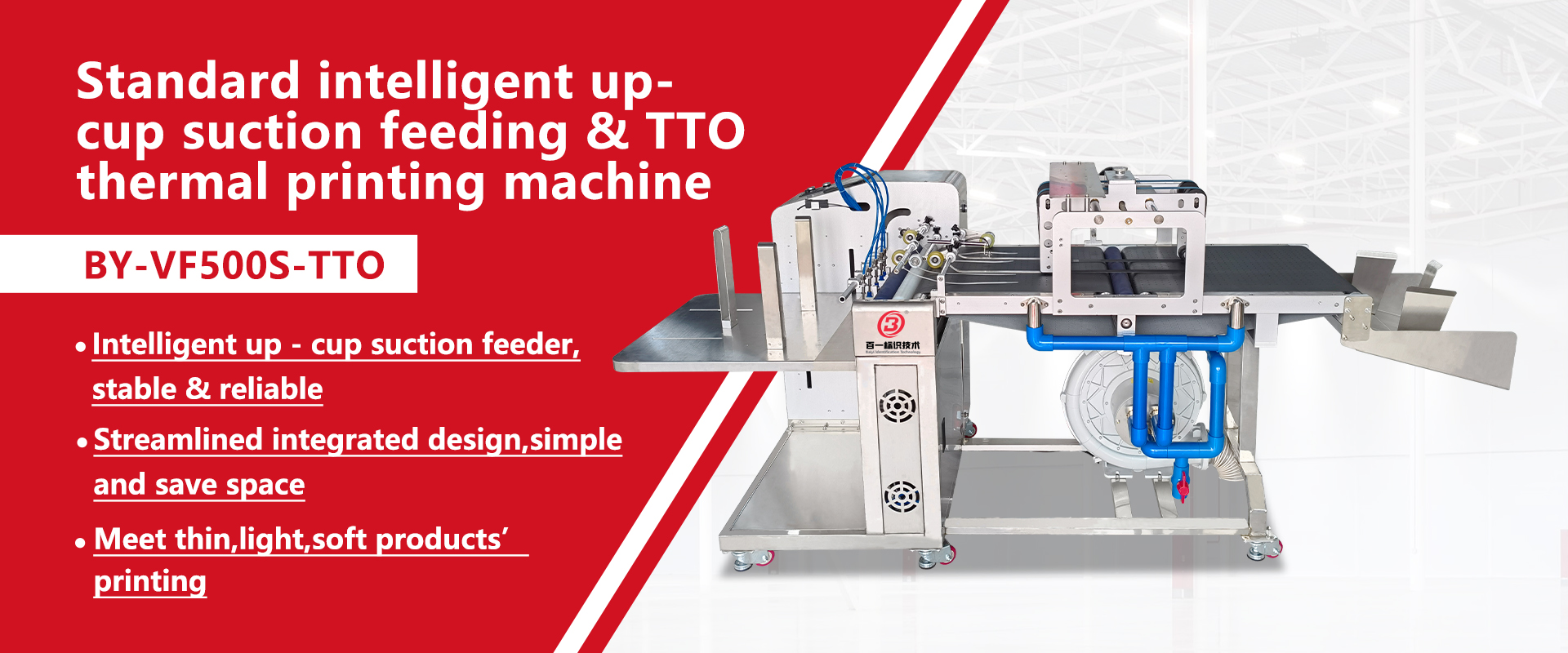
Friction feeders are essential in various industries, especially for packaging and mailing. Understanding their basic functionalities can guide you in selecting the right model. This machine automates the feeding process, ensuring accuracy and speed, which can significantly enhance productivity. According to a report by MarketsandMarkets, the global friction feeder market is projected to reach USD 3 billion by 2025, highlighting its growing importance in manufacturing.

The primary function of a friction feeder is to align and position items for further processing. They use friction to pull individual products from a bulk supply, which minimizes jams and improves operational flow. Industry studies show that friction feeders can increase production rates by up to 50% when compared to manual feeding methods. This efficiency can reduce labor costs while ensuring consistent and reliable output.

However, not all friction feeders are equal. Factors such as product size, material, and feed rate must be considered. It's crucial to reflect on the specific needs of your operation to choose a suitable device. Additionally, periodic maintenance is necessary to ensure optimal performance and longevity of the equipment. Choosing a model without understanding these factors can lead to inefficiencies down the line.

Key Features to Consider in a Friction Feeder Model

When selecting a friction feeder model, several key features can significantly impact performance. The feeding speed is crucial; it determines how quickly products can be processed. Models with adjustable speeds provide flexibility to match different production rates. Next, consider the feeder's ability to handle various materials. A versatile model can accommodate different sizes and types of products, which is essential for many industries.

Another important aspect is accuracy. A reliable friction feeder should deliver items consistently without jams. Look for sensors that ensure proper alignment and positioning. Ease of maintenance is also vital; machinery that is difficult to service can lead to costly downtimes. Design features that allow quick access to internal components are beneficial.

Lastly, it's essential to evaluate the machine's durability. Materials used in construction should withstand continuous use. However, not all models disclose their build quality, which can make comparisons challenging. It’s wise to gather insights from industry experts and former users. Real-world experiences can reveal strengths and weaknesses often overlooked in technical specifications. By prioritizing these features, you can make a more informed decision that meets your operational needs.

Assessing the Speed and Efficiency of Friction Feeders

When assessing the speed and efficiency of friction feeders, consider the operational speed. Look for models that can handle varying speeds based on your production needs. Friction feeders should allow for adjustments to ensure optimal performance. A model that operates too slowly can bottleneck your workflow. Conversely, a feeder that processes items too quickly may cause misfeeds, leading to waste.

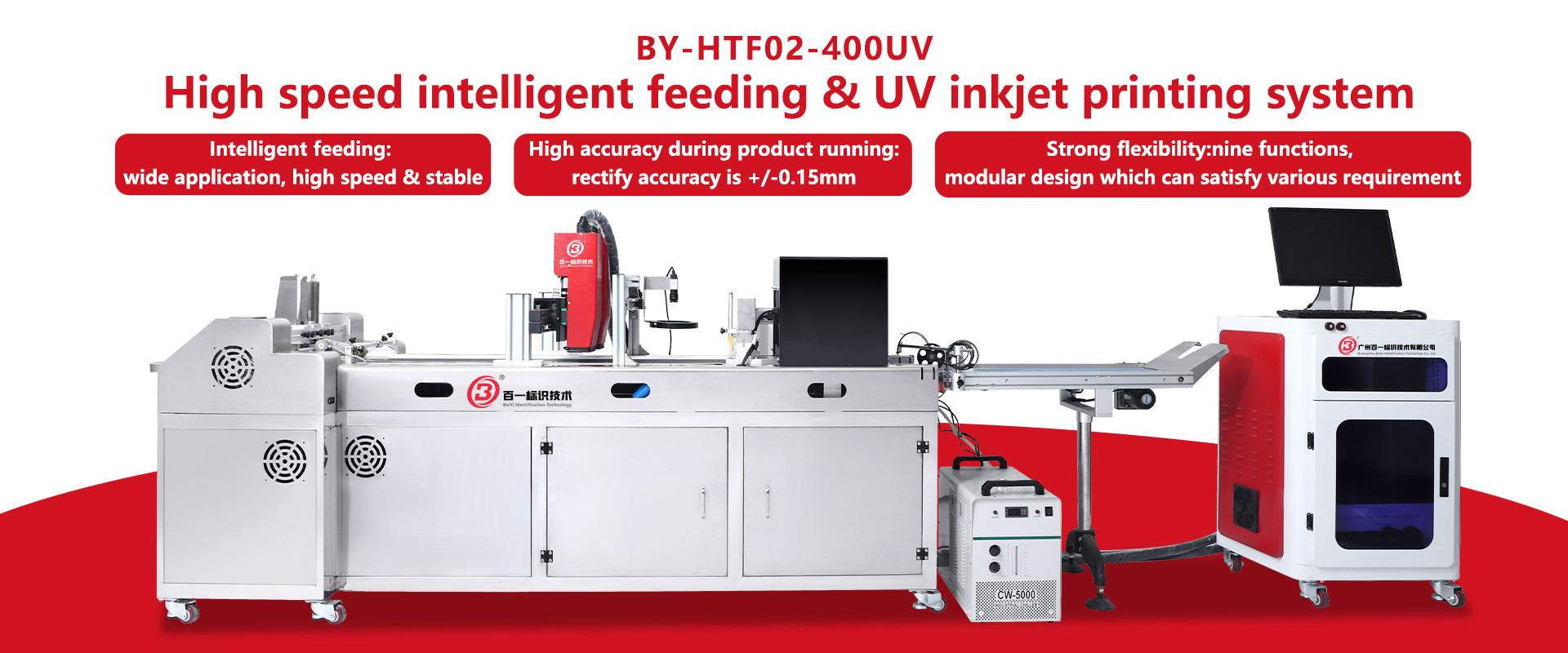
Efficiency is key. Examine how well the model integrates with your existing systems. A friction feeder needs to work harmoniously with other equipment like printers or labelers. This integration is vital for smooth operations. Ideally, your choice reduces downtime and enhances throughput. Monitor how quickly it can handle product changes. A feeder that requires frequent adjustments may disrupt production.

Additionally, materials play a significant role in performance. Analyze how different materials affect the friction feeder's operation. For example, some materials may slip more easily than others. This may lead to inconsistencies in item feeding. Understanding these nuances will guide you in choosing the right model. Balancing speed, efficiency, and material compatibility is essential for a successful application.

Ultimate Tips for Choosing a China Friction Feeder Model - Assessing the Speed and Efficiency of Friction Feeders

Model Speed (units/min) Efficiency (%) Adjustment Range (mm) Power Consumption (W)
Model A 120 95 10-50 450
Model B 100 90 12-45 500
Model C 150 92 8-40 400
Model D 110 88 15-55 480
Model E 130 94 10-60 470

Evaluating the Build Quality and Durability of Friction Feeders

When evaluating the build quality of friction feeders, focus on the materials used in construction. High-quality materials enhance durability. Look for robust frames made from steel or aluminum. These materials can withstand daily wear and tear. A reliable feeder should have shock-absorbing components to protect against vibrations.

Tips for choosing a model include checking the warranty period. A longer warranty often indicates confidence in the product's durability. Review user testimonials to understand real-world performance. Inspect the ease of maintenance as well. Models requiring less frequent servicing tend to have better long-term value.

Pay attention to the design features as well. Ergonomic designs can reduce operator fatigue, which indirectly impacts performance. Be cautious if a model looks too lightweight. Sometimes, a sleek design can compromise sturdiness. Regularly reviewing the operational environment can also help tailor your choice. Products should fit the specific demands of your application for optimal efficiency.

Build Quality and Durability Evaluation of Friction Feeders

Compatibility with Various Printing and Packaging Applications

Ultimate Tips for Choosing a China Friction Feeder Model?

Choosing the right friction feeder model for your needs is crucial. Compatibility with various printing and packaging applications plays a significant role in this decision. A well-matched feeder can streamline operations and improve output quality. Look for features that enhance adaptability to different materials, types of printing, and packaging sizes.

Consider the types of media you'll be using. Some feeders work best with specific substrates, while others offer versatility. Testing different options can be beneficial. Feedback from users can provide insights into performance and reliability. Observe how the feeder handles various materials in real-life situations. Not every model will work seamlessly with your existing setup, so a bit of trial and error may be needed.

Evaluate the feeder's capability to integrate with your current workflow. Compatibility with existing machinery is essential. Sometimes slight modifications are necessary. Keep an open mind regarding technical adjustments. Understand that no single model will suit all applications perfectly. Reflect on your production needs regularly to ensure your feeder model continues to meet evolving demands.

Comparison of Top Brands and Models in the Market

Ultimate Tips for Choosing a China Friction Feeder Model?

When choosing a China friction feeder model, it's essential to compare the top brands and their offerings. An industry report suggests that friction feeders increase productivity by up to 30%. This significant boost can influence your decision-making process.

Examining various models reveals notable differences in speed, accuracy, and versatility. Some models can handle products of varying sizes, which is crucial for businesses with diverse output. It's essential to assess the feeder's mechanism, as some brands utilize advanced technology to ensure precise feeding with minimal jams.

Tips for making a choice include evaluating the feeder's speed capabilities. A model with adjustable speeds offers flexibility for different tasks. Maintenance requirements are also vital; some models demand less frequent servicing. Carefully considering these factors can vastly improve operational efficiency.

Research indicates that the best models tend to offer user-friendly interfaces. This feature helps operators quickly adjust settings without extensive training. However, not all brands provide clear instructions; some require users to deal with vague manuals. Ensure you invest time in researching product reviews to avoid unexpected challenges.

Budget Considerations for Purchasing Friction Feeders

When considering the purchase of a friction feeder, budget is a crucial factor. Many feeders come with various features, impacting their prices. Understanding your specific needs can save you from overspending. Assess what functionalities are essential for your operations. This can narrow down your choices significantly.

One tip is to compare prices across models. This helps identify the average market price. If a particular model is significantly more expensive, question its added benefits. Sometimes, you may find that you can achieve the same results with a more affordable model. Look closely at the specifications and user reviews. They often reveal insights about performance and hidden costs.

Always factor in future maintenance and parts replacement. While a cheaper upfront cost is attractive, long-term expenses can add up. Evaluating total ownership costs ensures that you make a wise investment. Investing in a system that fits your budget and operational needs can enhance efficiency. Don't just focus on immediate savings; consider the overall value of your purchase.

FAQS

: What is the primary function of a friction feeder?

: The primary function is to align and position items for further processing.

How do friction feeders enhance productivity?

They automate the feeding process, ensuring accuracy and speed, increasing production rates significantly.

What factors should be considered when choosing a friction feeder?

Consider product size, material, and feed rate to select a suitable model for your needs.

Why is maintenance important for friction feeders?

Periodic maintenance ensures optimal performance and longevity, preventing future inefficiencies.

How does speed affect the operation of friction feeders?

A slow feeder can bottleneck workflows, while a fast one may cause misfeeds and waste.

How can I assess the efficiency of a friction feeder?

Examine its integration with existing systems and monitor its handling of product changes.

What role do materials play in the performance of friction feeders?

Different materials can affect operation, with some causing inconsistencies in item feeding.

Can friction feeders save on labor costs?

Yes, they can reduce labor costs by increasing production rates compared to manual methods.

What happens if the wrong model is chosen?

It may lead to inefficiencies, causing disruptions and waste in production.

How frequently should adjustments be made during operations?

Frequent adjustments can disrupt production, so a model that minimizes changes is preferable.

Conclusion

When selecting a China friction feeder, understanding its fundamental aspects is crucial. These feeders are essential in various printing and packaging applications, where precision and efficiency matter. Key features to consider include speed, efficiency, and build quality, as these factors significantly impact performance. Assessing the durability of the model can ensure longevity and dependable operation in demanding environments.

Moreover, evaluating compatibility with different applications is vital to maximize functionality. A thorough comparison of various models available on the market will help in making an informed choice. Lastly, budget considerations play a critical role in the purchasing decision, as it’s important to balance cost with quality and efficiency. By taking these factors into account, you can confidently select the right China friction feeder model to meet your business needs.

Ethan

Ethan

Ethan is a dedicated marketing professional at Guangzhou Baiyi Identification Technology Co., Ltd., where he leverages his extensive knowledge of the company's core products, including UV printing systems, inkjet printers, coding machines, label rewinders, and card feeders. With a passion for......
Previous Top High Speed Printing Feeder Manufacturers in 2026?