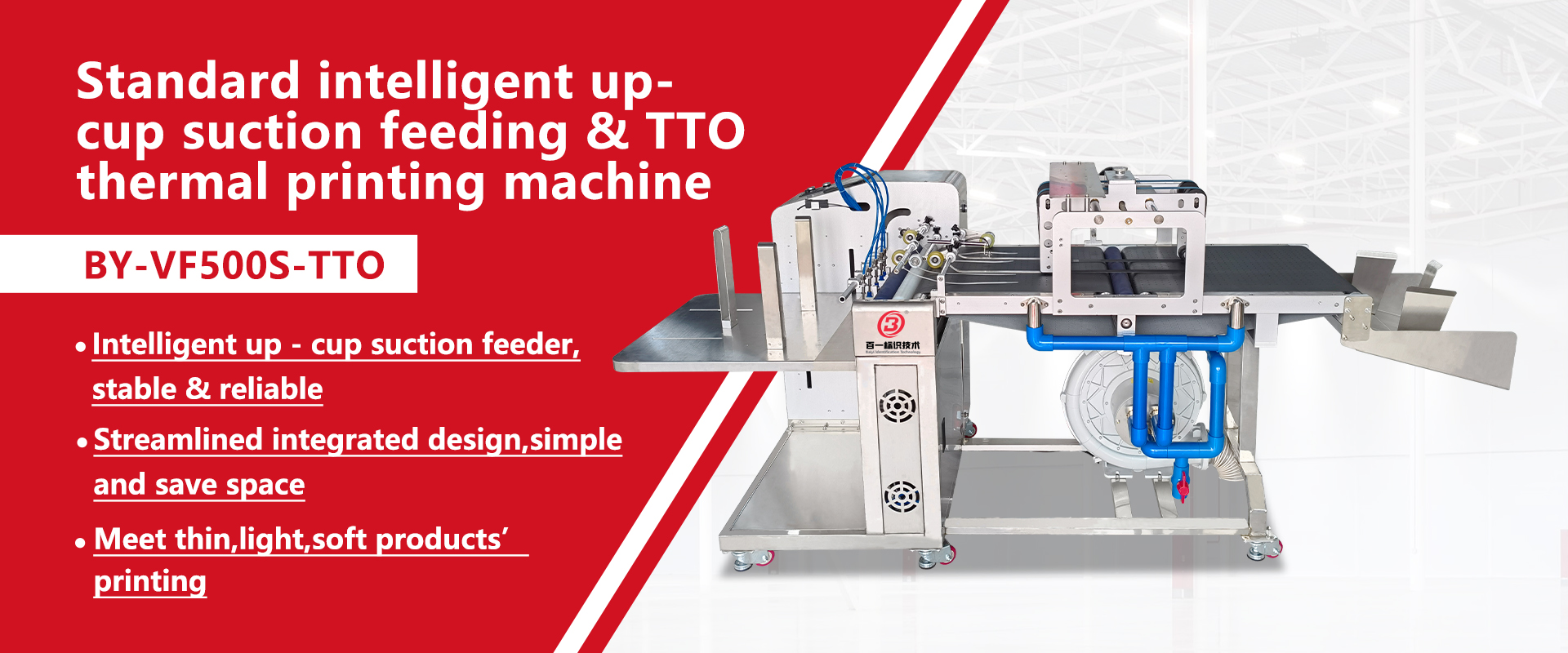
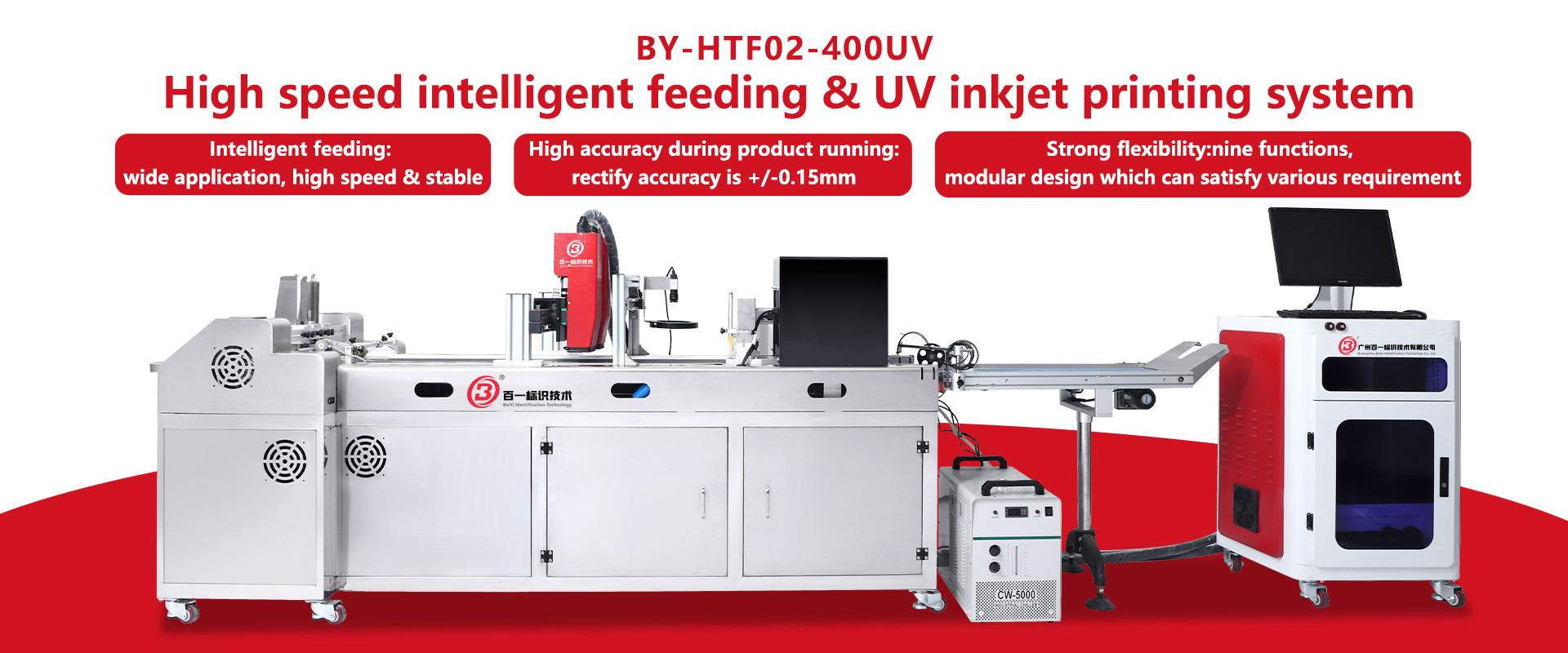

0%

The world of high-speed printing is changing pretty fast these days. Come 2026, figuring out who the top High Speed Printing Feeder makers are is going to be super important for companies wanting to stay efficient. These manufacturers are really pushing the envelope with new tech, helping businesses print faster and with better quality. Names like Wirtong, RISO, and Xerox are well-known for their cutting-edge solutions and their focus on excellence.

As industries crank up the demand for top-tier performance, choosing a manufacturer you can trust becomes a big deal. One key thing to look for is expertise—especially in engineering precision feeders that help keep downtime to a minimum. But, honestly, not all makers nail this perfectly. Some struggle with scaling up or staying sustainable, which can be a real issue. Recognizing these gaps can help you make smarter choices and even improve your operations along the way.

Getting a good grip on what different High Speed Printing Feeder companies bring to the table—what they excel at and where they fall short—is pretty crucial. Having experience and building solid partnerships can really set you up for success. Plus, businesses that pay attention to what their customers say tend to develop better products over time. In such a competitive field, staying flexible, reflecting on what works, and willing to adapt can make all the difference in long-term success with high-speed printing solutions.

Top High Speed Printing Feeder Manufacturers in 2026?

Overview of High-Speed Printing Feeders in 2026

High-speed printing feeders are crucial in modern printing processes. In 2026, these devices have evolved significantly. They are designed to streamline workflows and enhance overall output quality. Manufacturers focus on reducing delay times and maximizing feed accuracy. This ensures that printers handle various materials efficiently. The use of smart technology has gained popularity. It allows feeders to adjust settings on the fly.

Users now expect more than just speed. Reliability remains a priority. Feeders must work smoothly with different print jobs. They need to accommodate various sizes and types of media without jamming. However, challenges persist. Some manufacturers struggle with creating cost-effective solutions. There’s also a growing demand for sustainability. Companies are exploring eco-friendly materials and processes.

Feedback from users highlights the importance of user-friendly interfaces. Operators want systems that are easy to navigate. Training personnel on new technologies can be time-consuming. Additionally, integrating these feeders with existing equipment often presents challenges. Every facility has unique requirements. The industry continues to adapt, but reflection is key for future improvements.

Top High Speed Printing Feeder Manufacturers in 2026

Key Features and Innovations in High-Speed Printing Feeders

Top High Speed Printing Feeder Manufacturers in 2026?

In the competitive realm of printing technology, high-speed feeders have evolved significantly. These machines streamline production processes and increase efficiency in print operations. The key features of modern high-speed printing feeders include enhanced automation and precision. They can handle varying paper weights and formats seamlessly, addressing the needs of diverse print jobs.

Innovations play a vital role in the advancement of these feeders. Manufacturers are focusing on real-time monitoring systems. These systems help detect issues before they escalate, thus reducing downtime. Additionally, new feeding technologies minimize paper jams and improve feeding reliability. The interface of these feeders has also become more user-friendly, making operation simpler for technicians.

While these advancements are impressive, challenges remain. The integration of new technologies can be complex and costly. Manufacturers must navigate these hurdles while ensuring that their products meet industry standards. Balancing innovation with practicality is crucial for long-term success in this fast-evolving market. High-speed printing feeders are integral to optimizing workflow, yet careful consideration is required during implementation.

Market Leaders in High-Speed Printing Feeder Manufacturing

The landscape of high-speed printing feeder manufacturing is evolving rapidly. In 2026, industry leaders are focusing on innovation and efficiency. This drive for improvement demands a deep understanding of technology. Manufacturers are exploring advanced automation solutions. These solutions aim to minimize downtime and enhance output quality.

While many companies claim to produce high-quality feeders, not all live up to expectations. Some products fall short in reliability, leading to costly operational delays. Feedback from industry users often highlights the importance of durability and performance. Research shows that a few brands consistently receive positive reviews for their quality. Nonetheless, challenges remain. Companies must balance speed with precision, which is no easy feat.

Leaders in the market often invest in research and development. This enables them to stay ahead of the competition. However, the fast pace of technological change poses risks. Some manufacturers struggle to adapt quickly enough. As print demands shift, the best companies will be those that can pivot efficiently. The journey towards excellence in high-speed printing feeder production is complex and evolving.

Emerging Manufacturers in the High-Speed Printing Industry

In 2026, the high-speed printing industry will witness emerging manufacturers driving innovation. As demand for faster and more efficient printing grows, these new players are focusing on advanced technology. According to a recent industry report, the global high-speed printing market is expected to reach $10 billion by 2028, with a compound annual growth rate of 5.5%.

One noteworthy trend among emerging manufacturers is the integration of automation in printing processes. This approach not only boosts productivity but also reduces waste. New entrants are adopting eco-friendly materials, responding to the rising sustainability concerns. Reports indicate that 70% of companies prioritize sustainable practices in their manufacturing processes. These changes portray a shift toward a greener future.

Tip: Investing in new technologies can enhance efficiency but may require initial capital. Also, consider employee training to maximize these advancements.

Moreover, many of these manufacturers face the challenge of competing with established firms. They often lack market presence and customer loyalty. Continuous innovation and customer engagement will be crucial for their growth. It's essential for emerging companies to find their unique value propositions to thrive in this competitive landscape.

Top High Speed Printing Feeder Manufacturers in 2026 - Emerging Manufacturers in the High-Speed Printing Industry

Manufacturer Type Market Share (%) Year Established Innovative Technology Headquarters Location
Established Manufacturer 25% 1995 Automatic Feeding System USA
Emerging Manufacturer 15% 2018 Smart Control Technology Germany
Innovative Startup 8% 2021 AI-Driven Operations Japan
Global Leader 30% 1985 High Precision Feeders UK
Regional Player 10% 2005 Eco-Friendly Materials Australia
Niche Specialist 12% 2010 Custom Feed Solutions Canada

Regional Analysis of the High-Speed Printing Feeder Market

The regional analysis of the high-speed printing feeder market reveals significant variations across different territories. North America continues to dominate due to the rapid adoption of advanced printing technologies. Recent data shows that the region accounts for approximately 35% of the global market share. This growth is driven by the increasing demand for high-volume printing in various industries, including publishing and packaging.

In Asia-Pacific, the market is witnessing a robust expansion, projected to grow at a CAGR of 7% from 2024 to 2026. The rise in industrialization and the growing e-commerce sector are key factors boosting this growth. Countries like China and India are investing heavily in technological upgrades, which is expected to enhance production capabilities significantly. However, the inconsistency in quality control in some local manufacturers poses a challenge, leading to potential market fluctuations.

Tips: Evaluate local suppliers carefully. Quality may vary significantly. Keep an eye on emerging markets; they might offer better opportunities. Focus on scalability and adaptability in your operations to stay competitive in this dynamic environment. Ensure your technology meets regional standards, as this can impact your market entry success.

Future Trends and Predictions for High-Speed Printing Feeders

As the printing industry evolves, high-speed printing feeders are becoming increasingly vital. Future trends suggest a shift towards automation and smarter technologies. These innovations aim to enhance efficiency and reduce human error. Increased use of sensors and AI could improve workflow management and monitor operational performance in real time.


Sustainability is also gaining traction. Manufacturers may focus on eco-friendly materials and energy-efficient designs. This change will likely attract businesses aiming to reduce their carbon footprint. However, the challenge remains in balancing performance with environmental responsibility. Companies must navigate regulations while striving for sustainable solutions.


Adapting to rapid technological advancements is crucial. Manufacturers must invest in research to stay competitive. Training staff to use new systems will be necessary. Feedback loops will help identify issues and improve products. Ultimately, the industry faces both opportunities and obstacles on its journey towards innovation.

Challenges Facing High-Speed Printing Feeder Manufacturers in 2026

The high-speed printing feeder manufacturing sector is encountering several challenges heading into 2026. A recent industry analysis highlights that companies are struggling with the rapid pace of technological advancement. Many manufacturers must invest significantly in research and development to keep up with evolving customer demands. In 2025, around 48% of manufacturers reported increased costs associated with upgrading machinery.

Supply chain issues further complicate the landscape. According to a 2023 market study, nearly 35% of manufacturers experienced delays in accessing raw materials. These delays can stall production schedules and push back delivery times. Companies must navigate these hurdles while maintaining high-quality standards. Regulatory pressures also amplify concerns, with new environmental laws coming into effect.

The rising trend of sustainable practices is another major consideration. A survey indicated that 62% of businesses now prioritize eco-friendly materials and processes. However, implementing these changes can require extensive resources and time. Balancing innovation and sustainability while facing these challenges will be crucial for manufacturers. The ability to adapt will determine success in this competitive environment.

FAQS

: What are the key features of high-speed printing feeders?

: High-speed printing feeders enhance automation and precision. They can handle various paper weights and formats with ease.

How do innovations impact high-speed printing feeders?

Innovations like real-time monitoring systems reduce downtime by detecting issues early. New feeding technologies improve reliability and minimize jams.

Are modern high-speed printing feeders user-friendly?

Yes, their interfaces have become more user-friendly for technicians. This simplifies operation but still requires some technical skill.

What challenges do manufacturers face with new technologies?

Integrating new technologies can be complex and costly. Manufacturers must ensure products meet industry standards while innovating.

What future trends are expected in high-speed printing feeders?

There will likely be a shift toward automation and smarter technologies, enhancing efficiency and reducing human error.

How important is sustainability in the printing industry?

Sustainability is gaining importance, with a focus on eco-friendly materials. Balancing performance and environmental responsibility is challenging.

What role does staff training play in implementing new systems?

Training staff on new systems is necessary for effective usage. Without it, operational issues may arise and performance could decline.

How can feedback loops benefit the printing industry?

Feedback loops help identify issues and enhance products. However, not all feedback may be actionable or relevant.

What is the significance of adapting to technological advancements?

Adapting is crucial for remaining competitive. Yet, rapid changes can overwhelm businesses that don’t invest adequately in research.

How do manufacturers navigate regulations while innovating?

Manufacturers must be aware of regulations, balancing innovation with compliance. This process can be time-consuming and resource-intensive.

Conclusion

The article provides a comprehensive overview of the high-speed printing feeder market in 2026, highlighting the significant advancements and innovations that are shaping this industry. It discusses key features such as enhanced efficiency, precision, and automation technologies that are essential for modern printing operations. The insights into market leaders and emerging manufacturers shed light on competitive dynamics, while the regional analysis reveals geographical trends that influence market growth.

Furthermore, the article explores future trends and predictions, emphasizing the ongoing challenges that high-speed printing feeder manufacturers face, such as adapting to rapid technological changes and meeting evolving customer demands. As the industry progresses, identifying and collaborating with leading high-speed printing feeder manufacturers will be crucial for stakeholders aiming to stay ahead in this fast-evolving market.

Ethan

Ethan

Ethan is a dedicated marketing professional at Guangzhou Baiyi Identification Technology Co., Ltd., where he leverages his extensive knowledge of the company's core products, including UV printing systems, inkjet printers, coding machines, label rewinders, and card feeders. With a passion for......
Previous What is the Best Supply China Label Feeder for Your Business?