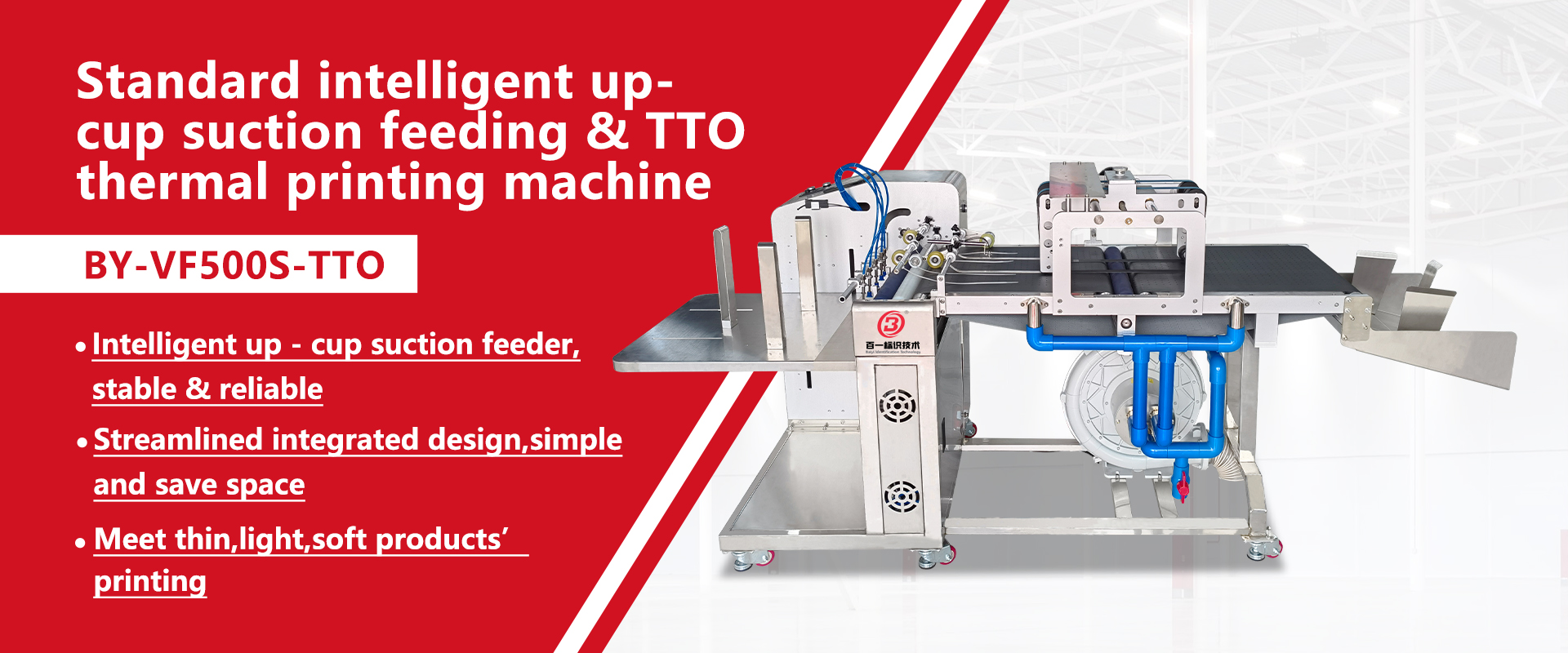

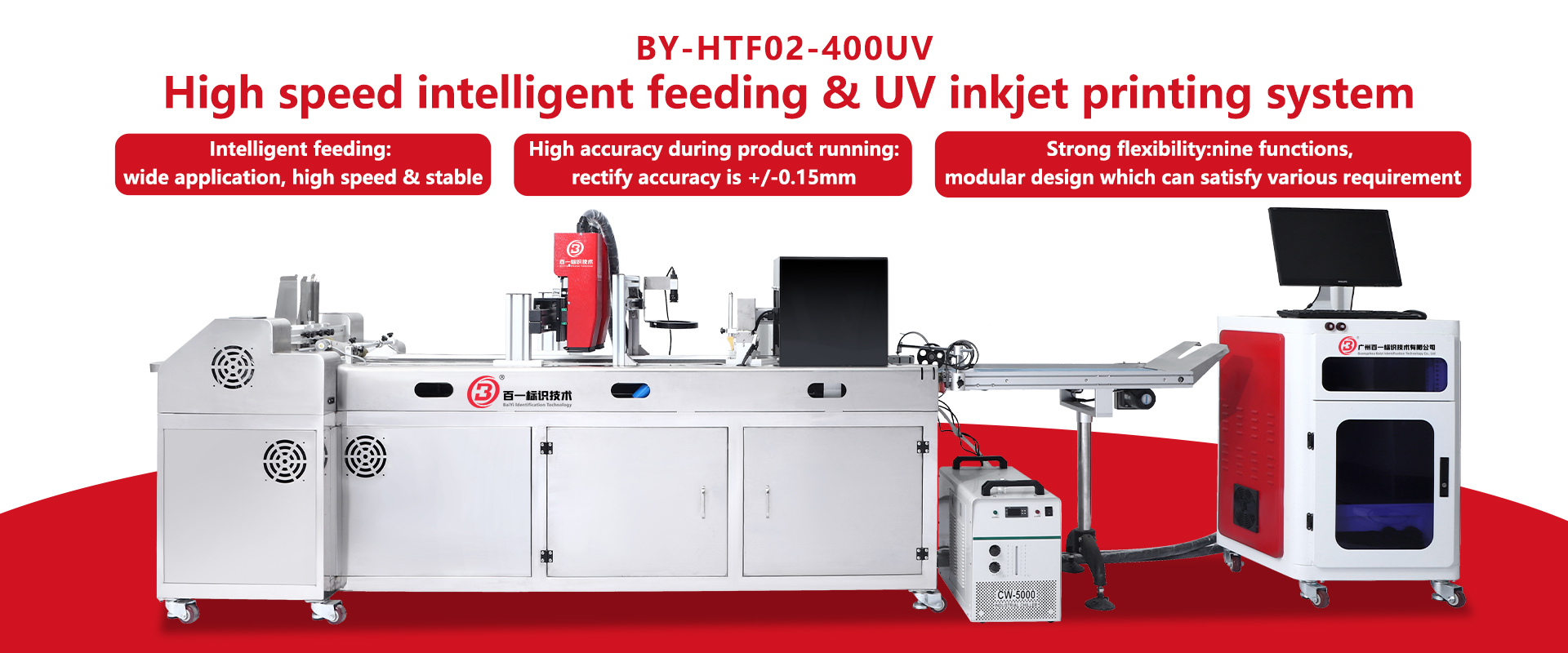

So, why should you consider going with top CIJ printer manufacturers? Honestly, it’s not just about hooking up with the cheapest option out there. Picking the right supplier impacts so much more—like how often your line runs smoothly, how accurate the coding is, how much effort you need for maintenance, and how well you can trace your products. If you’ve ever dealt with a blocked printhead on a busy packaging line, you know it can cause a mess in minutes—wet ink on cartons, rework, cleaning, and delays that throw off your entire schedule.
According to MarketsandMarkets, the global market for coding and marking devices is expected to grow from around $1.7 billion in 2023 to about $2.3 billion in 2028—growing at roughly 6.4% annually. They point out that automation, traceability due to regulations, and the need for reliable production data are big drivers here. That means choosing a capable supplier isn’t just nice to have; it’s pretty much essential.
Sean Smyth, a print-industry analyst at Smithers, sums it up with a simple but important rule: “Technology must earn its spot on the production line.” And honestly, it’s a good reminder. Top-tier manufacturers usually back their products with solid features—like stable ink systems, remote diagnostics, operator training, and detailed service procedures. Plus, they test print quality on all sorts of real-world substrates—glossy films, corrugated boards, even curved bottles—and that makes a big difference.
But hey, don’t fall into the trap of thinking that “leading” always means “best for your specific setup.” Small operations might not need all the fancy connectivity or premium service packages. When you’re comparing options, look closely at solvent use, maintenance intervals, access to spare parts, and how quickly local support can jump in. Some claims manufacturers make are tough to verify without actually running a test print in your own environment—that’s where experience really counts.
Ultimately, a reliable CIJ printer partner should be able to back up their promises with real proof—not just glossy brochures. Doing trial runs, analyzing lifecycle costs, and checking customer references can really shed light on what’s under the hood. Reliable printing isn’t flashy; it’s the quiet outcome of good engineering, well-trained operators, and support that’s ready to act before a small glitch turns into a costly downtime.

What Defines a Leading CIJ Printer Manufacturer?
What Defines a Leading CIJ Printer Manufacturer?
A leading CIJ printer manufacturer builds reliability into ordinary production moments. Its equipment should start cleanly after overnight stops, print sharply on dusty cartons, and maintain stable ink flow. These details matter more than attractive specifications. MarketsandMarkets reported that the global coding and marking systems market was worth about USD 7.5 billion in 2023. It also forecasts continued growth through 2028, driven by automation and traceability needs. This growth raises expectations for technical support, not only machine speed.
Professional capability appears in measurable service performance. Look for documented uptime tests, printhead maintenance intervals, ink-consumption data, and transparent warranty terms. A serious manufacturer explains limitations clearly. It should provide operator training, spare-part planning, and remote diagnostics without hiding recurring maintenance costs. In real factories, a five-minute cleaning task can become a lost production hour. I have seen decisions focus too heavily on purchase price. That approach often misses integration quality, waste, and response time.
Tips: Ask for a live trial using your actual substrate, line speed, and environmental conditions. Request failure-rate data from comparable applications. Check whether technicians can respond during your operating hours. Also, test the user interface with a new operator. Small confusion becomes expensive repetition. One caution remains: no report replaces plant-level evidence, because humidity, dust, and operator habits can change performance.
Why Choose Leading CIJ Printer Manufacturers? - What Defines a Leading CIJ Printer Manufacturer?
A leading continuous inkjet (CIJ) printer manufacturer is defined by measurable product performance, validated reliability, application expertise, regulatory discipline, and long-term service capability.
| Evaluation Dimension | Relevant Industry Reference | Why It Matters | What Buyers Should Verify |
|---|---|---|---|
| Print Speed | Many CIJ systems support production line speeds of several metres per second, depending on character height, message content, and print quality. | The printer must keep pace with the conveyor without reducing legibility or creating product bottlenecks. | Request a line-speed test using the actual product, font, message length, and required print resolution. |
| Print Quality | CIJ technology is designed for non-contact marking of alphanumeric text, dates, batch codes, barcodes, and selected 2D codes on moving products. | Consistent droplet control supports readable, traceable, and inspection-compliant coding. | Check code contrast, character formation, barcode readability, and performance on the intended substrate. |
| Reliability and Availability | A dependable industrial printer should be engineered for continuous production, with fault monitoring, stable ink delivery, and controlled start-up and shutdown procedures. | Unplanned stoppages can cause product loss, line downtime, and missed delivery schedules. | Review documented uptime test methods, alarm history, preventive-maintenance requirements, and reference installations in similar applications. |
| Ink and Make-Up Management | CIJ printers use specialised ink and make-up fluids selected according to substrate, drying time, adhesion, and regulatory requirements. | Correct fluid selection affects print durability, operating cost, nozzle stability, and compliance. | Confirm fluid compatibility with the material, drying conditions, food-contact requirements, workplace controls, and waste-handling procedures. |
| Substrate Flexibility | CIJ is commonly used on plastics, metals, glass, cables, films, coated materials, and other irregular or curved surfaces. | A versatile system can support multiple product formats and reduce the need for separate coding technologies. | Conduct adhesion, rub, solvent, condensation, temperature, and shelf-life tests on every critical substrate. |
| Environmental Protection | Industrial enclosures are commonly selected according to protection requirements such as dust, moisture, washdown exposure, and temperature variation. | Suitable environmental protection helps maintain stable operation in production areas with dust, humidity, or cleaning processes. | Check the exact enclosure rating, operating temperature range, humidity limits, chemical exposure limits, and washdown conditions. |
| Ease of Maintenance | Modern CIJ equipment typically includes guided cleaning, fault diagnostics, fluid-level monitoring, and scheduled service procedures. | Simple maintenance reduces technician time and helps prevent avoidable production interruptions. | Measure routine service time, review consumable replacement steps, and confirm whether operators can complete standard tasks safely. |
| Operator Interface | An industrial human-machine interface should provide clear message creation, status information, alarm guidance, user permissions, and language support. | An intuitive interface reduces coding errors and shortens operator training time. | Test message editing, product selection, password controls, error recovery, audit functions, and language requirements. |
| Connectivity and Traceability | Production printers may integrate with line controls, encoders, sensors, databases, and manufacturing systems through supported industrial communication methods. | Integration helps automate product changes, reduce manual data entry, and improve coding accuracy. | Confirm available interfaces, communication protocols, data validation, user access controls, and compatibility with the existing line architecture. |
| Regulatory and Safety Discipline | A responsible manufacturer provides safety documentation, chemical information, operating instructions, and applicable conformity documentation for the target market. | Proper documentation supports legal compliance, worker safety, responsible chemical handling, and internal audits. | Request safety data sheets, conformity declarations, user manuals, risk information, and documentation for the destination country. |
| Total Cost of Ownership | The purchase price is only one cost element; total cost also includes ink, make-up fluid, replacement parts, maintenance, energy, training, and downtime. | A reliable cost model prevents low initial price from becoming high operating expenditure. | Compare fluid consumption, planned service intervals, common replacement parts, warranty terms, training costs, and expected production availability. |
| Technical Support and Service Network | Leading suppliers normally provide commissioning assistance, operator training, troubleshooting resources, spare-parts planning, and defined response procedures. | Accessible support helps restore production quickly and protects long-term equipment value. | Confirm local service coverage, technician qualifications, spare-parts availability, response targets, escalation procedures, and training options. |
| Application Testing and Engineering | Professional suppliers should be able to evaluate marking performance before installation, especially for difficult surfaces, high-speed lines, and demanding environments. | Pre-installation testing reduces technical risk and helps select the correct ink, printhead configuration, and integration method. | Ask for a documented sample evaluation covering adhesion, drying, readability, code position, line speed, and environmental conditions. |
| Continuous Product Improvement | A mature manufacturer maintains structured processes for product testing, software updates, service feedback, and engineering improvements. | Ongoing development helps equipment remain compatible with changing products, regulations, and production requirements. | Review update procedures, change-notification practices, warranty support, product lifecycle policies, and customer feedback processes. |
Customized Intelligent Friction Feeder BY-HF02-800: Precision Feeding for Automated Production Lines
Customized Intelligent Friction Feeder BY-HF02-800: Precision Feeding for Automated Production Lines
As manufacturers accelerate automation, stable product feeding has become essential to maintaining output quality and reducing manual intervention. The International Federation of Robotics’ *World Robotics 2024* report recorded more than 541,000 industrial robots installed worldwide in 2023, highlighting the continuing demand for reliable, synchronized production equipment. Designed for automated lines, the BY-HF02-800 intelligent friction feeder supports controlled, continuous feeding of products with different sizes, surfaces, and thicknesses.
Developed from the BY-HF02-400 platform, this upgraded model replaces manual handle adjustment with electrical friction-belt adjustment, allowing operators to configure feeding parameters more efficiently. It uses five friction belts arranged across three independent modules. Users can freely select how many belts operate according to product characteristics and separator-module requirements, helping improve stability while minimizing unnecessary contact and wear. This flexible configuration is suitable for packaging, labeling, printing, and other high-throughput applications where precise product separation is required.
The modular structure also simplifies line integration and supports rapid changeovers between product formats. Combined with intelligent control and adjustable feeding pressure, the system can help reduce misfeeds, improve production consistency, and support the data-driven performance targets increasingly emphasized in modern manufacturing reports.

FAQS
: CIJ technology marks moving products without touching their surfaces. It prints dates, batch codes, lot numbers, and traceability details. Small ink droplets create each character.
CIJ printers can mark cables, bottles, cartons, flexible film, and metal parts. The correct ink depends on the surface and handling conditions. Test real materials.
A stable printhead can mark hundreds of items each minute. Fast production still requires clear, readable characters. Speed alone is not enough.
Test the printer on actual production materials before purchase. Check print quality after heat, dust, vibration, and long operating periods. Keep sample prints for comparison.
Dried ink may collect around the printhead. Filters can block, and fluid levels may become unstable. Small warnings can stop a line.
Common parts include filters, pumps, valves, sensors, and printhead components. Keep verified spares near the production line. Delayed parts can extend downtime.
Useful support includes remote diagnostics, technician training, maintenance guidance, and documented procedures. Ask about response times and parts availability. Promises need proof.
Review humidity, dust, vibration, conveyor space, cleaning routines, and operating hours. A short site assessment can reveal hidden problems. I once overlooked cleaning access. It became expensive.
Conclusion
Choosing the right Cij Printer Manufacturers is essential for achieving clear, consistent, and durable industrial marking. A leading manufacturer is defined by reliable technology, strong engineering capabilities, product quality, and a clear understanding of different production environments. Continuous Inkjet (CIJ) printing supports high-speed, non-contact coding on a wide range of materials and products, making it suitable for traceability, batch identification, date coding, and other routine industrial applications.
Leading manufacturers typically offer user-friendly interfaces, stable ink systems, flexible coding options, efficient operation, and designs that can adapt to demanding production conditions. When evaluating a CIJ printer, businesses should consider print quality, speed, uptime, maintenance requirements, operating costs, and long-term reliability. Responsive technical support, regular maintenance guidance, and readily available spare parts are equally important for minimizing interruptions. Ultimately, the best manufacturer is one that provides a suitable balance of performance, service, total cost of ownership, and industry-specific support.
Related Posts
-

Top 10 Cij Printer Suppliers You Should Know About?
-

Top 10 Cij Printer Suppliers in China You Should Know?
-

Why Choose the Best Cij Printer Manufacturers for Your Business?
-

2026 How to Choose Cij Inkjet Printer Manufacturers?
-

Top 5 Cij Printer Manufacturers for Global Buyers?
-

2026 How to Choose the Best Cij Inkjet Printer Manufacturers?


