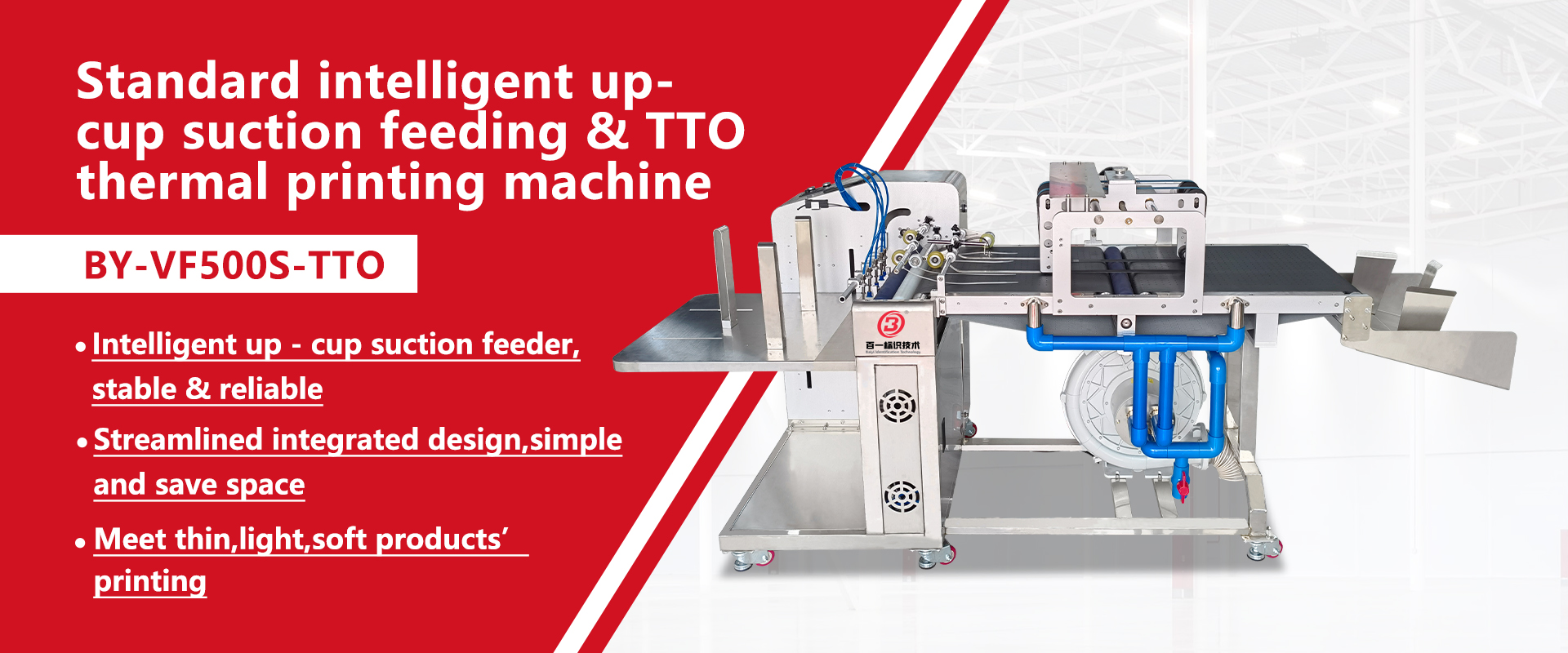

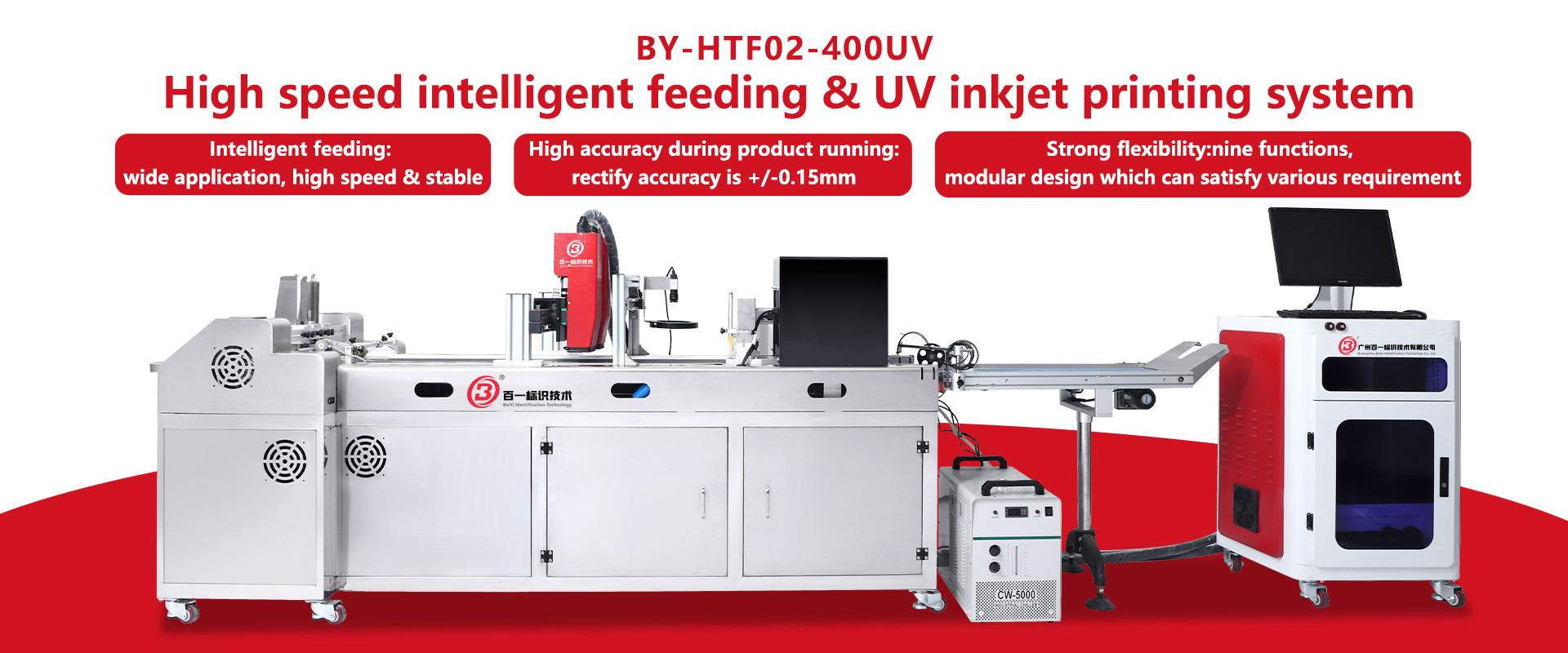


Annual losses exceeding $80,000 in efficiency and material waste in packaging and printing industry occur due to manual feeding errors, misalignment, and machine downtime. This guide reveals how a Friction Feeder from a professional Friction Feeder Factory solves this via 5 proven selection and application factors, enabling manufacturers of papers, labels, and bags to achieve seamless automation and over 99.9% production line uptime.
1. How a Precision Friction Feeder Machine Works & Where It Excels
The Friction Feeder is the reliable workhorse for automated lines handling stackable, flat materials. It works by using a driven roller to grip and pull the bottomsheet from a stack, making it inherently strong and simple. Its robustness shines in high-volume environments, especially when paired with materials that have a bit of natural stiffness or body.
Quick-Reference Application Guide:
Our feeders are engineered for paper and packaging materials. Here’s a quick look at their strengths:
| Application | Why It’s a Great Fit | Key Feature for This Use |
| Paper Sheets | Handles dry, flat stocks reliably at high speed | Consistent feeding for printing/packaging |
| Labels | Precisely separates individual labels without wrinkling | Gentle,accurate sheet registration |
| paper box | Provides the power needed to feed thicker, semi-rigid boards | Strong drive & surface-friendly rollers |
| Common Plastic Bags | Efficiently separates bags that are not too thin or flimsy | Anti-static rollers to prevent clinging |
2. 3 Key Applications for a Friction Feeder in Converting
- High-Speed Label Dispensing for Digital Printing
Pain: Manual feeding of paper or film labels into a digital (e.g., UV) printer is slow, inconsistent, and becomes a major bottleneck, limiting printer output.
Friction Feeder Solution: Baiyi Friction Feeder is placed inline before the printer. It reliably separates and feeds individual labels at high speed, perfectly synchronized with the printer’s cycle.
Result: Unlocks the full speed potential of the printer, increasing labeled output by 200-300% and eliminating manual handling errors.
- Automated Bag Feeding for Form-Fill-Seal Lines
Pain: In bagging operations, operators manually pick and open plastic bags, which is tiring, slow and limits line speed.
Friction Feeder Solution: The feeder is configured to separate single normal plastic bags from a stack. Its consistent feeding allows downstream equipment (like bag openers) to work automatically.
Result: Enables a fully automated bag pick-and-place sequence, increasing line speed significantly and reducing labor costs.
- Precision Feeding of Carton or paper for Printing or Coding
Pain: Feeding Carton or paper for downstream printing/coding is often done by hand, causing misalignment and uneven print quality.
Friction Feeder Solution: The feeder handles the papers, using its robust drive to separate and present each one squarely to the conveyor leading to the printer or coder.
Result: Ensures consistent, aligned feeding, which is the foundation for high-quality printing and coding, reducing waste from misprints.
3. Selecting the right model is critical. Follow this factory-recommended checklist:
☑️ Factor 1: Material Compatibility Test
Always test your exact materials. A reputable Friction Feeder Factory will offer a free feeding test to verify performance with your specific bags, paper, or labels.
☑️ Factor 2: Machine Speed & Drive Type
Match the feeder’s maximum continuous speed to your line’s requirement. A servo-driven feeder offers superior control and synchronization for precision tasks versus basic AC drives.
☑️ Factor 3: Integration & Control Interface
Ensure the feeder can communicate with your existing printer or PLC via standard I/O signals. Easy integration minimizes engineering costs and downtime.
☑️ Factor 4: Ease of Maintenance & Access
Choose a design that allows quick access to wear parts like friction rollers . Modular design simplifies long-term upkeep.
☑️ Factor 5: Supplier Expertise & Support
Partner with a Friction Feeder Factory that provides clear documentation, training, and reliable after-sales support. This ensures long-term productivity.
4. Friction Feeder Machine FAQ
❓ What’s the main difference between a Friction Feeder and a Suction Feeder?
A Friction Feeder pulls the bottomsheet using rollers, ideal for stiffer, stackable materials like paper, bags and cards. A Suction Feeder lifts the topsheet with vacuum, better for thin, delicate, or pre-printed films. Choosing the right China Friction Feeder Machine depends on your material’s properties.
✅ Baiyi’s Solution: We analyze your material sample to recommend the optimal technology. For Paper Sheets, labels, paper box and common plastic bags, our friction feeders offer the best balance of speed, reliability, and value.
❓ Can it handle glossy or coated materials without slipping?
Yes, with proper configuration. Slippage is addressed by using rollers with the correct durometer (softness) and surface texture, and by precisely calibrating the feed pressure.
✅ Baiyi’s Solution: Our factory can specify and supply custom roller coverings. We fine-tune every machine during the test phase with your materials to guarantee no-slip feeding.
❓ Is it difficult to adjust for different material sizes?
On basic models, it can be. On advanced Smart Feeders, it’s simple. The key is a design that allows for quick, tool-less adjustments of the guides and feed machine.
✅ Baiyi’s Solution: Our feeders feature ergonomic, manual quick-adjustments or even motorized adjustments on premium models. Combined with digital job memory, size changeovers become fast and errors.
Ready to see your materials fly through production? Let’s explore the perfect feeding solution together. Contact us for a free material feeding test and expert consultation on integrating a high-performance friction feeder.
Welcome to get in touch with us.
Here is our email ID: easy.oyhh@by-ifeeder.com.cn and whatsapp & wechat: +8613435663216.
Post time: Jan-05-2026


