
Finding a reliable China label feeder in 2026 isn’t just about comparing a bunch of factory quotes. You really need to dig deeper—look at how accurate the feeding is, whether it works well with your material, how quick and helpful their service response is, and review their past production records. The right machine should effortlessly handle coated labels, clear transparent stock, narrow formats, and changing roll sizes without needing constant adjustments. Honestly, paying attention to those little details makes a big difference. And don’t forget to keep an eye on the feed path itself.
Daniel Harper, an independent expert in packaging automation, emphasizes, “A feeder is only top-quality if it performs reliably at production speed, not just during a fancy demo.” That kind of practical, no-nonsense advice should be your go-to when talking to suppliers. Ask them to send videos from real production lines, and request to test samples with your own labels if possible. Be sure to look at accuracy reports, rejection rates, and how they handle maintenance. Sure, a smooth demo looks great, but it’s not the whole story.
If your goal is to actually supply high-quality label feeders from China, you also want to assess how capable the factory’s engineering team is. Find out if they control key things like motor selection, sensor calibration, their software integration, and spare parts availability. Clarify communication standards upfront before placing an order. Response times can be just as critical as the machine’s speed—nothing’s worse than a feeder that stops your line, and it’s easy to underestimate how costly that can be.
Of course, price still matters. But don’t just go for the cheapest quote—sometimes that might mean skipping installation help, tooling support, or long-term tech assistance. Some suppliers might wow you with specs but fall flat when it comes to documentation and support. That’s a red flag. It’s wise to compare the total ownership costs, not just the sticker price. Getting an independent inspection can also reveal wiring issues, unstable tension, or uneven label release—things you might miss just by looking. No checklist can cover everything, so sourcing wisely is really about testing, asking questions, and sometimes revising your assumptions as you go.
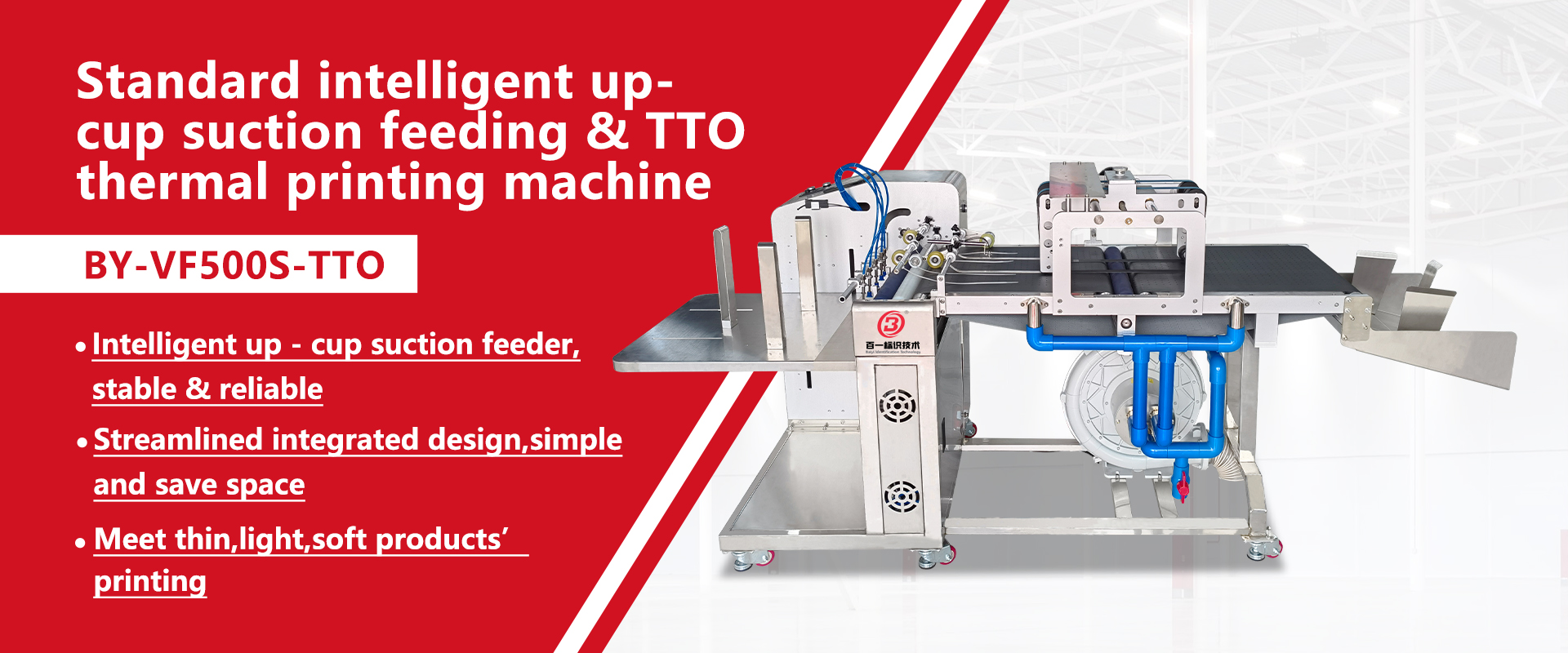
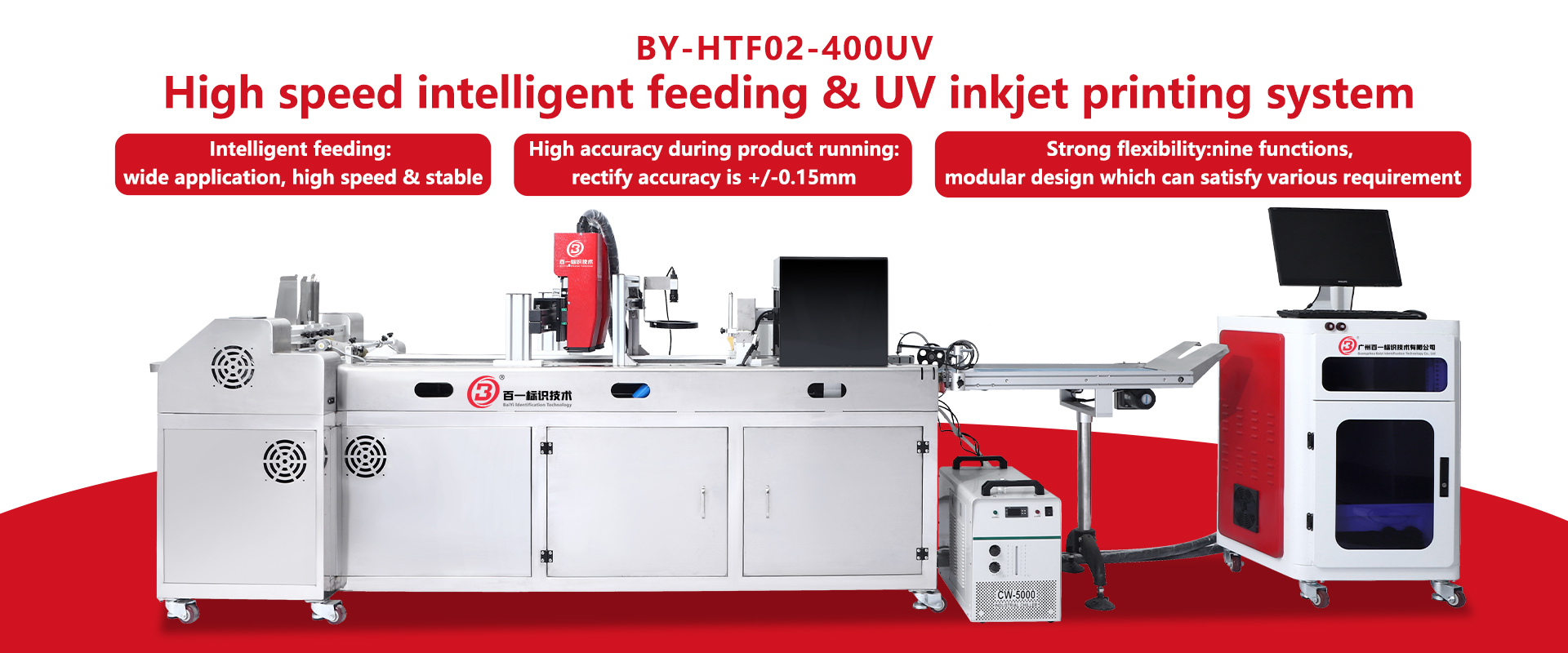
A China label feeder is a machine that separates labels from a backing roll and places them onto products. It connects with packaging equipment, conveyors, or manual workstations. In daily use, the roll moves through guide rollers toward a peel plate. The label lifts from its liner at the edge. A sensor then detects its position, while a motor controls feeding speed and spacing.
Reliable models usually combine adjustable web tension, accurate sensors, stable drive systems, and simple control settings. During factory evaluations, buyers should test different label sizes, materials, and adhesive strengths. A feeder may perform well with paper labels but struggle with thin film labels. That detail matters. Check feeding accuracy, stop-and-start response, noise, and continuous operation for several hours. Ask for production records, inspection procedures, and replacement-part availability. Do not trust attractive specifications alone.
Tips: Request sample testing with your actual labels and products. Measure placement accuracy repeatedly, not once. Inspect the peel plate, rollers, wiring, and control panel before shipment. Clarify voltage, communication protocols, maintenance needs, and operator training. A short video is useful, but it cannot replace a live test. I have found that small alignment errors often appear only after extended running. That is easy to miss. Leave room for adjustment, because real packaging lines rarely behave exactly like drawings.
Choosing a high-quality China label feeder in 2026 starts with production data, not appearance. Production needs determine the correct feeder specifications. A compact intermittent feeder may suit cartons, pouches, or small containers. Continuous systems fit faster lines with stable spacing requirements.
Speed is not everything. The 2024 PMMI Packaging Automation report highlights labor efficiency, changeover time, and equipment integration as major automation priorities. Therefore, match rated speed with your real operating speed, including stops and adjustments. Check label width, length, thickness, roll diameter, core size, and adhesive behavior. A feeder rated for 300 labels per minute may perform poorly with curled, static, or transparent stock. Small details matter.
For accuracy, request measured placement tolerance rather than a general “high precision” claim. Optical sensors should detect gaps reliably, while encoders should synchronize feeding with conveyor movement. PLC communication, alarm outputs, recipe storage, and tool-free adjustment can reduce changeover losses. Smithers’ market analysis shows continued growth in pressure-sensitive labels, increasing demand for flexible handling across varied materials and formats. I would also verify compressed-air consumption, noise, cleaning access, and spare-part availability. Test the worst case. A practical factory trial should use your actual labels, speeds, roll sizes, and downstream machine. One weakness remains: supplier datasheets often describe ideal conditions, not dusty floors or uneven rolls. That gap deserves careful questioning.
| Production Profile | Typical Applications | Recommended Label Width | Recommended Line Speed | Label Length Range | Roll Diameter and Core | Positioning Accuracy | Control and Sensor Requirements | Recommended Construction | Quality Verification Points |
|---|---|---|---|---|---|---|---|---|---|
| Entry-Level Intermittent Feeding | Manual packing, small-batch products, basic coding and inspection stations | 20–100 mm | Up to 30 m/min | 15–250 mm | Up to 250 mm; 76 mm core is common | Typically ±1.0 mm | Photoelectric label-gap sensor, adjustable delay, external start signal | Powder-coated steel frame with aluminum mounting plate | Confirm stable feeding at low speed, repeatable stop position, and easy manual adjustment |
| Standard Automatic Packaging | Cartoning, pouch packaging, bottle labeling, consumer goods assembly | 25–150 mm | 30–60 m/min | 20–300 mm | Up to 300 mm; 76 mm or 152 mm core options | Typically ±0.5 mm | Label-gap and product sensors, PLC interface, encoder input, speed synchronization | Rigid aluminum or steel frame with guarded drive components | Run a continuous trial using the actual liner, adhesive type, label pitch, and machine interface |
| High-Speed Continuous Production | High-volume packaging, beverage containers, personal care, household products | 20–160 mm | 60–120 m/min | 20–400 mm | Up to 400 mm; 76 mm or 152 mm core options | Typically ±0.3 mm | High-resolution encoder, closed-loop speed control, dual sensor protection, fault output | Low-vibration frame, reinforced unwind shaft, servo-driven or closed-loop drive | Check acceleration, web tension, splice behavior, thermal stability, and jam recovery |
| Small or Narrow Labels | Electronic components, laboratory tubes, cosmetic containers, small cartons | 5–50 mm | 15–60 m/min | 5–100 mm | Up to 250 mm; 25 mm or 76 mm core options | Typically ±0.3–0.5 mm | Micro-gap sensor, fine web-tension adjustment, low-inertia unwind control | Precision guide rollers with adjustable side guides and low-friction surfaces | Test minimum label pitch, transparent labels, liner stiffness, and edge tracking |
| Wide or Heavy-Duty Labels | Logistics cartons, industrial parts, warehouse identification, large containers | 100–220 mm | 15–50 m/min | 50–500 mm | Up to 400 mm; 76 mm or 152 mm core options | Typically ±0.5–1.0 mm | High-torque drive, adjustable pressure roller, overload protection, product interlock | Reinforced frame, larger-diameter rollers, high-load bearings, strong unwind shaft | Verify maximum web tension, roll weight, adhesive release force, and frame rigidity |
| Transparent or Reflective Labels | Clear packaging, premium cosmetics, glass containers, reflective industrial labels | 20–150 mm | 20–80 m/min | 15–350 mm | Up to 300 mm; 76 mm core is common | Typically ±0.5 mm | Ultrasonic or capacitive gap sensing, contrast detection, sensor sensitivity adjustment | Stable web path with anti-static measures and adjustable sensor bracket | Use production-material samples to validate detection through transparent or reflective areas |
| Hygienic or Washdown Environment | Food, beverage, pharmaceutical, and clean production areas | 20–150 mm | 20–80 m/min | 20–350 mm | Up to 300 mm; 76 mm or 152 mm core options | Typically ±0.5 mm | Sealed sensors, protected connectors, emergency stop, stainless-compatible controls | Stainless steel or corrosion-resistant surfaces; minimized ledges and exposed fasteners | Confirm ingress protection, cleanability, material certificates, and resistance to detergents |
| Multi-Format Flexible Production | Contract packaging, multiple SKUs, frequent label changes, pilot production | 10–180 mm | 15–80 m/min | 10–400 mm | Up to 350 mm; interchangeable core adapters preferred | Typically ±0.5 mm | Recipe storage, touchscreen settings, quick-change guides, multiple sensor modes | Modular frame with tool-free adjustments and accessible web path | Evaluate changeover time, recipe repeatability, spare-part availability, and operator training |
A reliable manufacturer should understand your label material, not just your target speed. Share the label width, roll diameter, core size, pitch, adhesive type, and application method. Ask how the feeder handles curled labels, transparent gaps, and changing roll tension. These details reveal practical engineering experience. A video is not enough. Request test footage using your actual labels and packaging surfaces.
Review the factory’s production controls, inspection records, and component traceability. Confirm who designs the control system and who performs final calibration. During a remote or onsite audit, check assembly benches, wiring quality, sensor alignment, and spare-part storage. Ask for a documented factory acceptance test covering speed, placement accuracy, restart behavior, and continuous operation. Certificates can help, but verify their scope and validity.
I once focused too heavily on quoted speed. That was a mistake. Stable feeding mattered more than a higher number. Ask for samples from several production runs, because one successful test proves little. Clarify warranty terms, response times, software access, training, and replacement-part availability. A strong supplier will explain known limitations instead of promising everything. Your evaluation should include a written risk list, even when the machine appears perfect.
How to Source High Quality China Label Feeder in 2026?
A reliable label feeder begins with a repeatable quality check, not a polished sales page. Request production samples from the same materials and settings used for mass manufacturing. Test paper, film, adhesive labels, and narrow rolls separately. Measure feeding accuracy across at least several hundred cycles. Watch for skewed labels, slipping rollers, sensor delays, and damaged edges.
Inspect the material path closely. Stainless steel guides should resist corrosion and show smooth, burr-free surfaces. Rollers need consistent hardness and sufficient grip without marking labels. Ask for sensor specifications, motor details, tolerance ranges, and spare-part drawings. Verify electrical safety documents and material compliance records for your target market. A certificate alone is not proof. Match its model number, issuing body, and validity period with the actual feeder.
Manufacturing discipline matters more than attractive assembly. Review incoming inspection records, calibration logs, process controls, and final testing procedures. If possible, arrange an independent factory audit and record the feeder’s serial number during inspection. I once focused too heavily on feeding speed and overlooked noise from an uneven roller. That mistake showed why long-duration testing matters. Request a 24-hour endurance test, but do not treat one successful run as certainty. Ask how defects are traced, corrected, and prevented across future batches. Clear answers usually reveal more than impressive photographs.
Comparing label feeder prices requires more than reading the first quotation. Ask suppliers to list the feeder, controller, sensor, installation, packaging, and spare parts separately. A low price may exclude the power supply or software settings. I once reviewed a quote that looked attractive, but shipping and setup nearly erased the difference. That was a useful warning.
Minimum order quantities also need careful checking. Some factories accept one testing unit, while others require five or more machines. Request a sample run using your actual labels. Measure feeding speed, alignment, adhesive behavior, and stoppage frequency. A feeder handling 40-millimeter labels may struggle with thin, curled stock. Test it.
Customization can include feeder width, conveyor height, sensor position, control language, and communication interfaces. Ask for engineering drawings before approving production. Confirm whether modifications require new tooling or firmware charges. Request a written timeline for prototypes, factory testing, and final delivery. Video testing helps, but it cannot replace physical inspection. A third-party inspection can verify dimensions, wiring, calibration, and packaging. Keep every specification in one document. Small omissions create expensive delays. Price comparison is imperfect, especially when suppliers describe performance differently. Allow room for correction.
Sourcing a high-quality China label feeder in 2026 requires evidence, not attractive samples. Start with a written specification. Record label width, pitch, liner type, speed, accuracy, and product orientation. Ask for drawings, component lists, maintenance intervals, and calibration records. The 2024 FINAT Radar reported a 0.5% decline in European self-adhesive label demand, increasing pressure to reduce waste and stoppages. Therefore, test the feeder with your real labels, not only the supplier’s perfect stock.
Inspect the frame, rollers, sensors, belts, and electrical cabinet. Check for sharp edges, loose cables, oil marks, and uneven finishing. Run at minimum, normal, and maximum speeds. Measure missed feeds, double feeds, skew, and restart performance after ten stops. A practical approval target is 99.5% successful feeding across a continuous 10,000-cycle test, with every failure recorded. Confirm repeatability after power loss and manual adjustment. My own mistake was accepting a short demonstration. It looked stable. Longer testing exposed liner slipping near the roll core. That detail mattered.
Tips: Bring three label materials and two roll diameters. Test warm-up, dust exposure, and emergency stops. Request a factory acceptance test video with timestamps. Compare results against ISO 2859-1 sampling logic, while keeping your own risk limits. Require a signed inspection report, spare-parts list, wiring diagram, and operator training record before approval. Do not approve equipment from photographs alone.
It separates labels from a backing roll and places them onto products. Rollers guide the material toward a peel plate. The label lifts at the edge. A sensor detects its position. A motor controls speed and spacing.
Look for adjustable web tension, stable drive systems, accurate sensors, and simple controls. Rollers should grip without marking labels. Guides need smooth, burr-free surfaces. Small alignment errors may appear later.
Test paper, film, adhesive labels, narrow rolls, and different label sizes separately. Run several hundred cycles. Watch for skewing, slipping, sensor delays, and damaged edges. Test thin or curled labels carefully. They can behave differently.
Inspect the peel plate, rollers, wiring, control panel, and material path. Check for corrosion, burrs, loose connections, and uneven surfaces. Record dimensions and serial numbers. Photos help, but they miss details.
Measure placement accuracy repeatedly, not once. Check start-and-stop response, noise, speed, and stoppage frequency. Run the feeder continuously for several hours. A 24-hour test offers better evidence, though it is not certainty.
Request sensor specifications, motor details, tolerance ranges, spare-part drawings, and electrical safety documents. Review inspection records, calibration logs, and final testing procedures. Match certificates with the actual model. A certificate alone proves little.
Request separate prices for the feeder, controller, sensor, installation, packaging, and spare parts. Confirm power supply and software costs. Include shipping and setup expenses. A cheap quotation may hide important charges.
Confirm feeder width, conveyor height, sensor position, control language, voltage, and communication interfaces. Ask whether modifications require new tooling or firmware charges. Request engineering drawings before production. Keep every specification in one document.
No. A video can show basic operation, but it cannot replace physical inspection. Request sample testing with your actual products and labels. Consider an independent inspection. I once trusted attractive specifications too much. That was a mistake.
Sourcing a high-quality China label feeder in 2026 requires a structured evaluation from machine function to supplier reliability. A label feeder automatically separates, advances, and positions labels for efficient integration with packaging, printing, or assembly lines. Buyers should first define production needs, including label size, material, feeding speed, accuracy, roll specifications, control method, and compatibility with existing equipment. These requirements help identify suitable specifications and prevent unnecessary costs or performance issues.
To choose a dependable manufacturer, review its production experience, engineering capability, quality-control procedures, and communication efficiency. Verify the materials, component quality, manufacturing standards, inspection records, and available customization options. Price comparisons should also consider minimum order quantities, lead times, spare parts, technical support, and total operating value rather than unit cost alone. Before approval, request samples or a pre-shipment inspection, test feeding accuracy and stability under realistic conditions, and confirm that the final product meets agreed specifications. A careful process enables buyers to Supply High Quality China Label Feeder solutions with confidence and long-term production value.