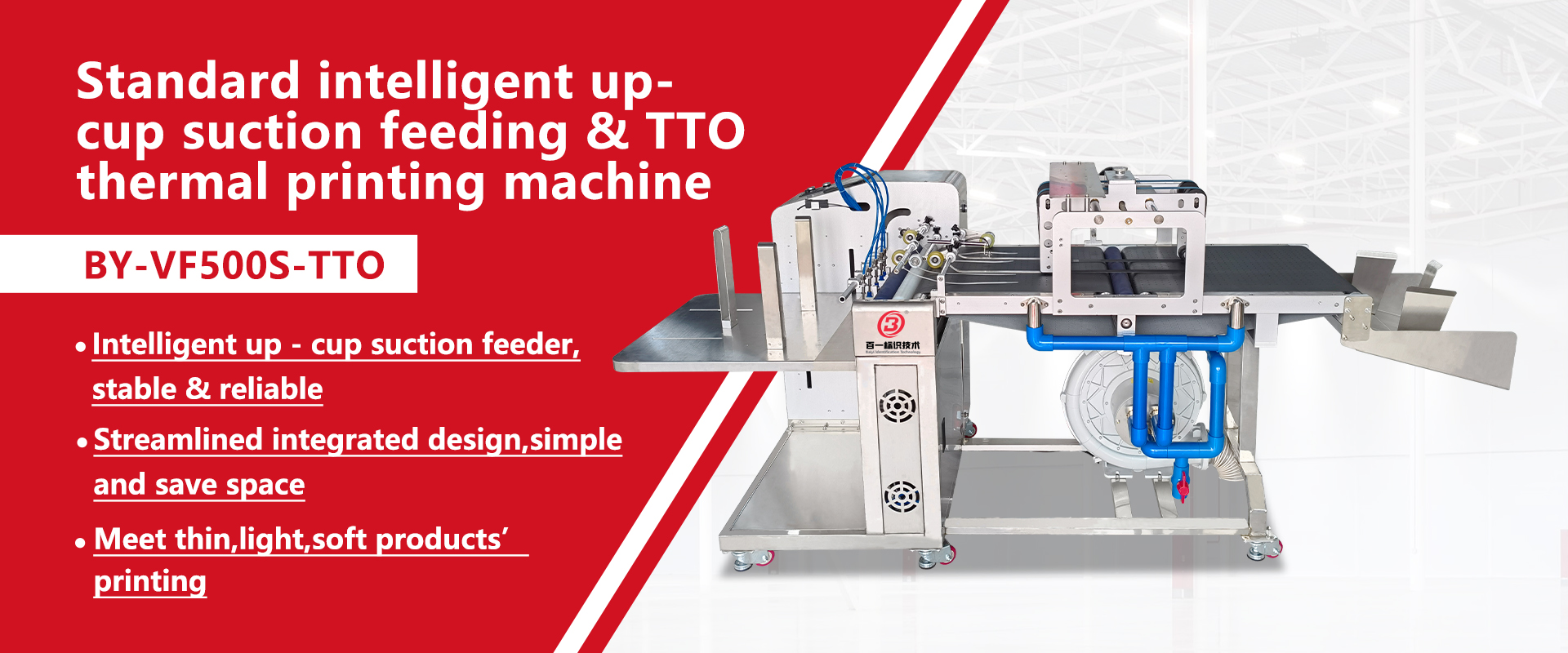

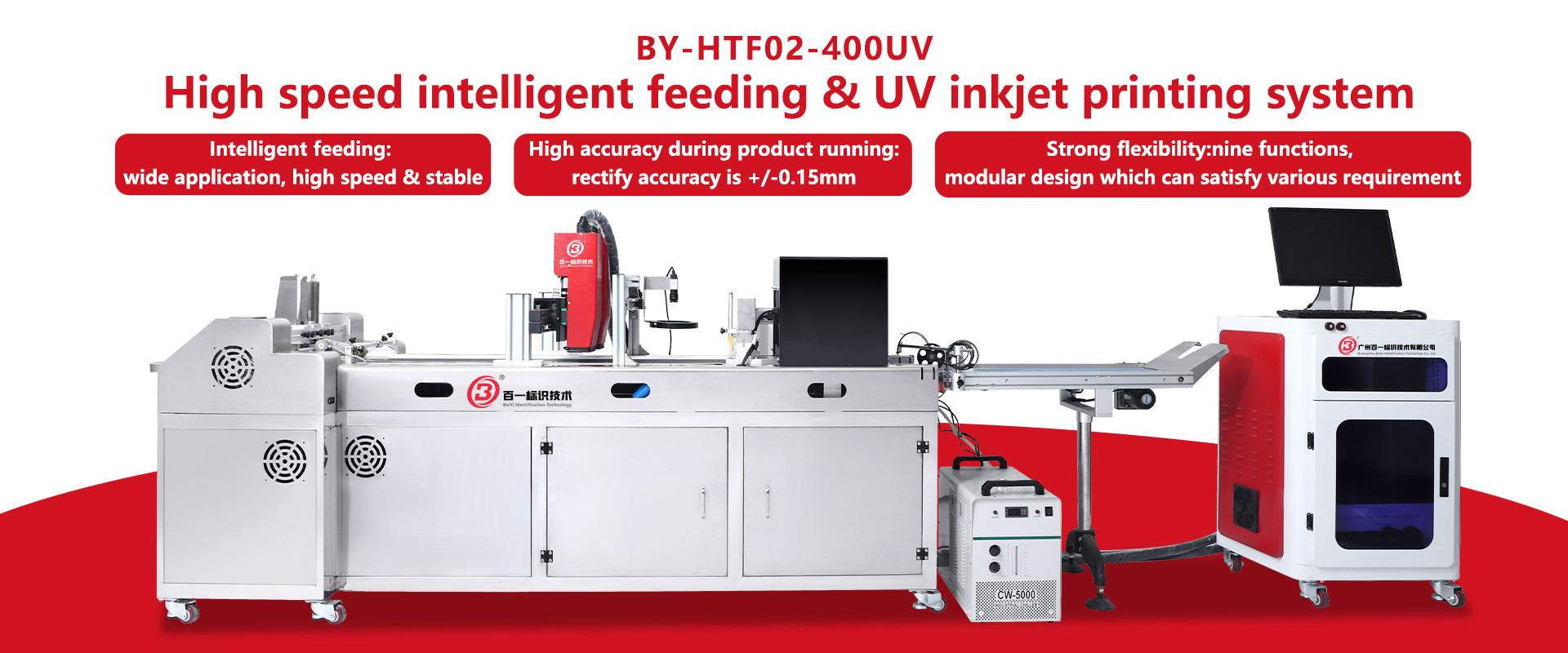

So, if you're on the hunt for a high-speed printing feeder manufacturer, keep in mind that there's more to it than just cost or how fast they can deliver. Trust me, reliability and solid performance are where it’s really at. You want someone who gets your needs and can deliver consistently, day in and day out. Experience in the industry matters too—companies with a proven track record tend to be more dependable, especially when it counts.
It’s definitely worth digging into their expertise. Ideally, look for a manufacturer that specializes in high-speed solutions—this usually means they know their stuff and can offer advice tailored to your specific setup. Don’t forget to check out certifications and read some client testimonials; they give you a good sense of how reputable and effective they really are.
One thing often overlooked but super important is after-sales support. A solid manufacturer doesn’t just sell you equipment and dip out—they’re there to support you along the way. Pay attention to how responsive they are and how easy it is to communicate with them. Sometimes, the little things really do make a big difference. Taking some time to reflect on your options and ask questions can help you make the best choice. Picking the right high-speed printing feeder company can totally change how smooth and efficient your operations are.

Understanding High-Speed Printing Feeders
When selecting a high-speed printing feeder, understanding the technology is crucial. High-speed printing feeders significantly enhance productivity. According to industry reports, these feeders can increase print speeds by up to 50%. This efficiency is vital for meeting tight production deadlines.
The operation of a high-speed printing feeder involves careful alignment and rapid handling of various materials. Different feeders cater to different printing media. Options range from flat sheets to specialized substrates. Knowledge of these specifications helps ensure a perfect fit for your printing requirements. Many manufacturers offer feeders capable of handling print runs at speeds exceeding 200 feet per minute.
However, not all high-speed feeders are created equal. Some may struggle with certain media types, leading to misfeeds and downtime. A study revealed that nearly 30% of printing operations have faced issues due to inadequate feeders. It is essential to assess your workflow and the specific demands of your projects. This reduces the risk of costly disruptions in production.


Enhancing Production Efficiency: A Comprehensive Analysis of KN95/KF94 Face Mask Feeding & Printing Systems in the Post-Pandemic Market
In the ever-evolving landscape of the post-pandemic market, enhancing production efficiency in the face mask industry has become paramount. The demand for KN95 and KF94 masks continues to remain strong, driven by heightened health awareness and ongoing public health guidelines. As the market anticipates an annual growth rate of over 5% in personal protective equipment (PPE) until 2028, manufacturers are compelled to optimize their production processes to meet both quality and quantity requirements.
One crucial aspect of this optimization is the introduction of advanced feeding and printing systems. The standard face mask feeding and printing machines, specifically designed for KN95 and KF94 masks, offer a compact structure and a high degree of stability. These machines are capable of continuous or intermittent feeding, accommodating varying production needs. This flexibility is essential as manufacturers seek to balance speed and precision while minimizing waste. Moreover, integrating these systems with existing ear loop machines can streamline the entire production workflow, thus significantly enhancing operational efficiency.
Industry experts highlight that effective automation in face mask manufacturing not only improves output but also drastically reduces human error and production downtime. For instance, a multi-functional machine can allow for seamless transitions between manufacturing different types of masks, responding dynamically to market changes. As the need for reliable protective equipment persists, investing in modern feeding and printing technologies will be critical for manufacturers aiming to thrive in a competitive landscape, ensuring they can meet consumer demands without compromising on quality or efficiency.

FAQS
: Focus on customer support and service options. Reliable support impacts efficiency and satisfaction.
Inquire about available support channels like phone, email, and live chat. Look for 24/7 availability.
A responsive team can address technical issues quickly, reflecting the manufacturer’s reliability.
Understanding these can help you avoid unexpected costs and ensure adequate coverage for your needs.
Request case studies or testimonials from existing clients to learn about their experiences.
Not necessarily. Lower prices can lead to reduced material quality or inferior service.
High-grade components result in better performance and longer lifespans, affecting overall productivity.
Reflecting on previous decisions can offer valuable insights into what to consider for future selections.
Yes, some companies excel in technology but neglect customer care. This imbalance can affect satisfaction.
Absolutely. Researching forums can give you a broader view of manufacturers and their service quality.
Conclusion
Choosing the right High Speed Printing Feeder Manufacturer is essential for optimizing your printing processes. Start by understanding the key features that differentiate feeders, such as speed, capacity, and compatibility with various printing systems. It's crucial to evaluate the manufacturer’s experience and industry reputation, as this can impact the quality and reliability of the equipment.
Additionally, consider the level of technology and innovation the manufacturer brings to their feeders, as well as the customer support and service options they offer. Analyzing the balance between cost and quality is also critical; opt for a manufacturer that provides value without compromising on performance. Finally, reading reviews and testimonials from existing users can offer valuable insights into the manufacturing process and product effectiveness, guiding you towards a decision that best fits your needs.
Related Posts
-

Why Choose China Oem Automatic Belt Printing Machine for Your Needs?
-

Ultimate Tips for Choosing a China Friction Feeder Model?
-

What is Feeding Machine Series Factory and Its Benefits?
-

How to Choose the Right Cij Printer Manufacturer for Your Needs?
-

How to Choose the Best Odm Automatic Belt Printing Machine?
-

Top High Speed Printing Feeder Manufacturers in 2026?


