
0%

Choosing the right high-quality China label feeder manufacturer isn’t just about comparing prices or flipping through catalogs. Honestly, a good feeder needs to handle different kinds of label materials, keep the web tension steady, and place labels accurately—even during those long, grueling production runs. It’s worth paying attention to details like how well the motor controls the movement, how responsive the sensors are, how quickly it can switch over to new label rolls, and how easy it is to get replacement parts when needed.

Evan Liu, who’s pretty experienced in packaging automation, reminds us of something important: “A feeder only proves reliable when its setup, maintenance, and material handling all work seamlessly together.” And that’s really spot-on when you’re on the factory floor. Sure, a feeder might perform perfectly in a quick demo, but after hours of dust, vibration, or changing rolls, that’s when you see what it’s really made of. Small details matter—a lot. Check out the rollers, ask for speed test results, and if possible, review samples that have been produced under real conditions.

This guide looks at some top Chinese suppliers through a combination of hands-on experience and technical insight. It covers build quality, support for integration, customization options, delivery reliability, and how they handle after-sales communication. Brands like LeadTop, Sneed-Jet, and LabelOn might catch your eye, but don’t assume brand fame equals quality. What truly counts is the evidence of their performance.

Of course, no evaluation is perfect. Sometimes, supplier info changes fast, and the specs you see might not tell the whole story about what the equipment can really handle. So it’s smart to ask for factory videos, do some sample tests, get clear service commitments, and speak with other users who’ve used these feeders in similar settings. Remember, the cheapest option isn’t always the best. What really matters is finding a feeder that stays accurate, adjustable, and reliable, especially when your production gets tougher.

Top China Label Feeder Manufacturers for High Quality?

What Is a Label Feeder and How Does It Work?

A label feeder is a machine that releases labels from a roll or liner at a controlled speed. It supports packaging lines that require consistent label placement. The feeder unwinds the backing material, separates each label at a peel plate, and presents it for application. A motor controls movement, while a sensor detects label gaps. When the sensor finds the next gap, the controller stops or slows the liner. An applicator then presses the label onto a box, bottle, or pouch. Simple in principle.

High-quality China label feeder manufacturers usually focus on stable tension, accurate sensors, and durable feed rollers. During production testing, operators should check label spacing, roll alignment, and speed changes. A feeder may work perfectly with one paper stock but slip with glossy or thin materials. That detail is easy to miss. Poor adjustment can create wrinkles, double feeds, or missing labels. Reliable equipment should offer clear controls, accessible parts, and repeatable settings. Technical support and spare-part availability also matter after installation.

Tips: Match the feeder width to your label size. Test the real liner before ordering. Keep rollers clean and dry. Begin at a moderate speed, then increase it gradually. Record successful settings for each label material. Even experienced operators should review them, because humidity and roll tension can change performance.

Key Quality Standards for Industrial Label Feeders

Top China Label Feeder Manufacturers for High Quality?

Industrial label feeder quality begins with measurable performance, not attractive specifications. The International Federation of Robotics reported 541,302 industrial robots were installed worldwide in 2023. This growth increases demand for stable, automated label handling. A dependable feeder should maintain repeatable pitch, controlled web tension, and accurate sensor detection at production speed. Test these figures with real label stock, not only with a laboratory sample.

Key quality standards include mechanical accuracy, electrical safety, and documented process control. ISO 12100 supports machinery risk assessment, while IEC 60204-1 addresses electrical equipment safety. ISO 13849-1 is relevant when feeder controls affect operator protection. PMMI’s 2024 State of the Industry reporting also highlights labor pressure and uptime demands across packaging operations. Therefore, a quality supplier should provide factory acceptance testing, fault records, calibration results, and spare-parts guidance. Ask for samples from the actual label material.

Small details matter. A sharp guide edge can damage thin stock. Weak rollers may create skew after thousands of cycles. A polished brochure proves little. I would still question any supplier that avoids speed tests, rejection data, or long-run evidence. Environmental checks deserve attention too, especially dust, humidity, adhesive residue, and temperature changes. These conditions expose weaknesses quickly. A strong audit combines standards, measured results, operator experience, and transparent limitations.

Leading China Label Feeder Manufacturers to Consider

When evaluating leading China label feeder manufacturers to consider, look beyond catalog photos and quoted speed. Experienced suppliers should explain label width, pitch, material, roll diameter, and feeding accuracy clearly. Ask for a test using your actual labels. A reliable factory can show sample results, inspection records, and adjustment methods. Watch the labels move. Edges should remain aligned, while the sensor should detect each gap without hesitation. A feeder that runs well for ten minutes may still fail during a full shift.

Tips: Request a video of continuous feeding under real production conditions. Check whether the supplier provides spare sensors, belts, and clear maintenance instructions. Confirm response times before placing an order. Ask how they handle adhesive buildup, curled liners, and unusual label shapes. These details reveal practical experience better than polished specifications.

Leading China label feeder manufacturers often support custom mounting plates, communication interfaces, and synchronized conveyor systems. Compare their engineering process, not only their price. A capable technical team should provide drawings, trial samples, and measurable acceptance standards. Look for stable feeding at low and high speeds. Also review packaging quality, traceability, and final inspection procedures. I would remain cautious about impressive claims without recorded test data. One supplier may offer excellent precision but weaker documentation. Another may communicate well but need more time for customization. That tradeoff deserves honest discussion before production begins.

How Chinese Manufacturers Design for Reliable Performance

Top China Label Feeder Manufacturers for High Quality?

Reliable label feeders begin with controlled motion, not attractive specifications. China-based manufacturers increasingly combine servo drives, vacuum separation, and optical sensing. These systems reduce double-feeding, skewing, and sudden stoppages during long production runs. Consistency matters.

Fortune Business Insights valued the global labels market at about US$48.15 billion in 2023. Its forecast indicates continued expansion through 2032. That growth increases pressure on feeder suppliers to deliver stable output across different label materials.

Experienced manufacturers test coated paper, transparent film, and static-prone stock before finalizing feeder settings. They also reinforce guide rails and use adjustable rollers for uneven label edges. Small details matter.

PMMI’s 2024 packaging machinery trends report highlights uptime, faster changeovers, and labor efficiency as recurring buyer priorities. A dependable feeder should therefore support tool-free adjustments and clear sensor calibration.

Factory acceptance testing should record speed, misfeeds, label position, and recovery time over several hours. ISO 9001-based process control can improve traceability, but certification alone cannot prove field performance.

No feeder is perfect. Dust, humidity, and adhesive residue still create problems. In my experience, suppliers sometimes overstate maximum speed while underreporting maintenance intervals. Buyers should request real test samples, maintenance records, and performance data using their own labels.

Comparing Label Feeder Models, Features, and Applications

Selecting a label feeder requires comparing models, not just advertised speed.

A friction feeder suits cartons and pouches with steady, flat surfaces. A vacuum-belt model handles delicate or slightly uneven labels more gently. Servo-driven systems provide tighter pitch control during rapid applications.

Smithers estimates the global label market was worth about US$50 billion in 2023, with continued growth expected through 2028. This expansion increases pressure on converters and packaging lines to reduce stoppages. Useful features include tool-free guides, recipe storage, servo synchronization, and sensors that detect double feeds. For short runs, quick changeover may matter more than maximum speed. For pharmaceutical cartons, traceability and precise placement usually matter most. For food packaging, washable surfaces and stable feeding around dust are practical advantages. Faster is not always better.

Tips:

Test the feeder with your actual label stock. Measure curl, liner stiffness, adhesive exposure, and surface friction. Compare a 300-label batch, not only a showroom sample. Mordor Intelligence projects steady growth in automated labeling equipment, but its market estimates vary by region and definition. That uncertainty deserves attention. A model that performs perfectly today may struggle after humidity changes, operator adjustments, or a new liner thickness. Record misfeeds, changeover minutes, and rejected packages before purchasing.

How to Select the Right China Label Feeder Supplier

Selecting the right China label feeder supplier requires more than comparing prices. Begin with your label size, material, roll diameter, and required feeding speed. Share these details before requesting a quotation. A capable supplier should explain compatibility clearly, not simply promise high performance.

Ask for working samples from similar applications. Test the feeder with your actual labels, including thin paper, glossy film, and adhesive stock. Watch for skewing, double feeding, wrinkles, and inconsistent spacing. These small failures can stop an automated line. Request a written test report with speed, accuracy, and operating conditions. Good evidence matters.

Inspect the supplier’s production controls, calibration records, and incoming material checks. Ask how they manage replacement sensors, belts, and motors. Spare parts should have clear specifications and reasonable delivery times. Communication also reveals technical reliability. Do engineers answer detailed questions, or do sales staff avoid them? Request drawings, manuals, installation guidance, and warranty terms before payment.

Factory photos are not enough. A video call or independent inspection provides stronger evidence. Confirm production capacity, inspection stages, packaging methods, and export experience. A lower quotation may hide weaker components or limited support. I have seen specifications look excellent until real labels exposed feeding problems. That risk deserves attention.

No supplier is perfect. Allow room for testing, correction, and honest discussion.

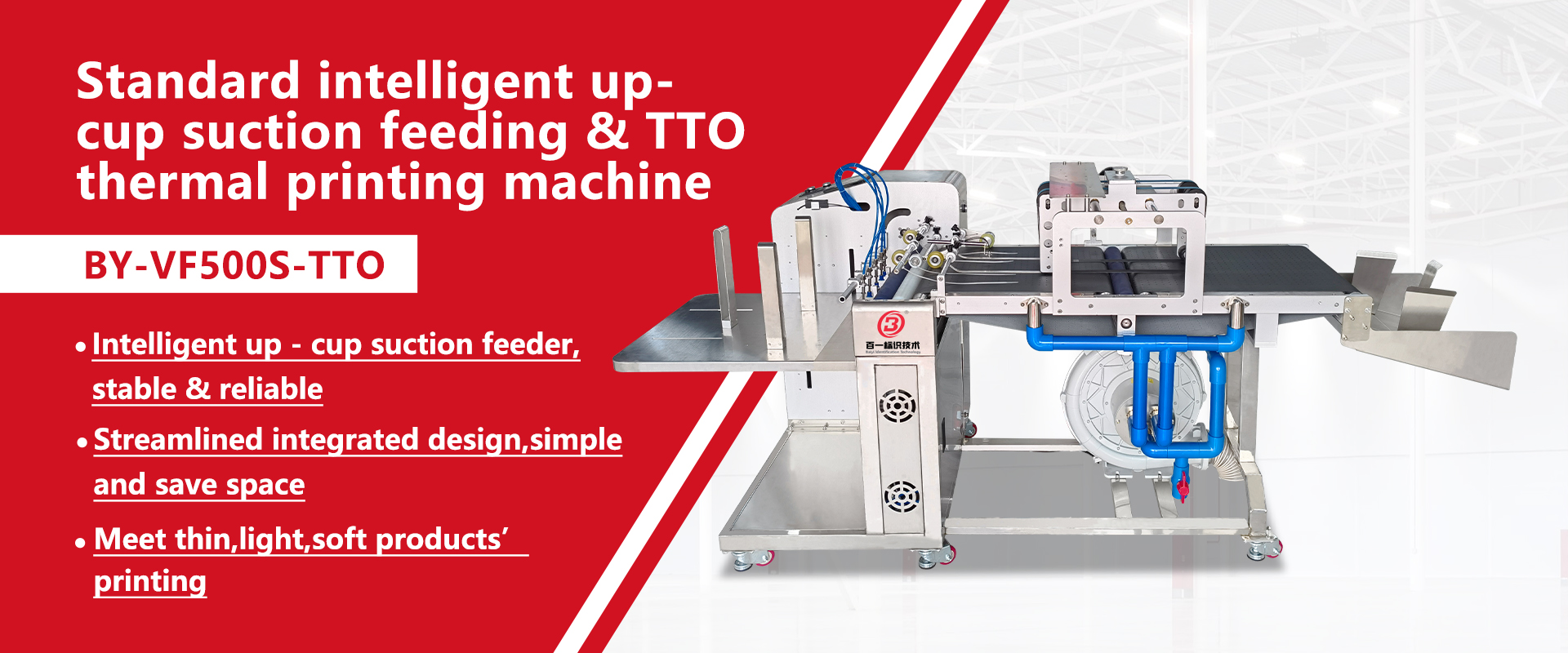
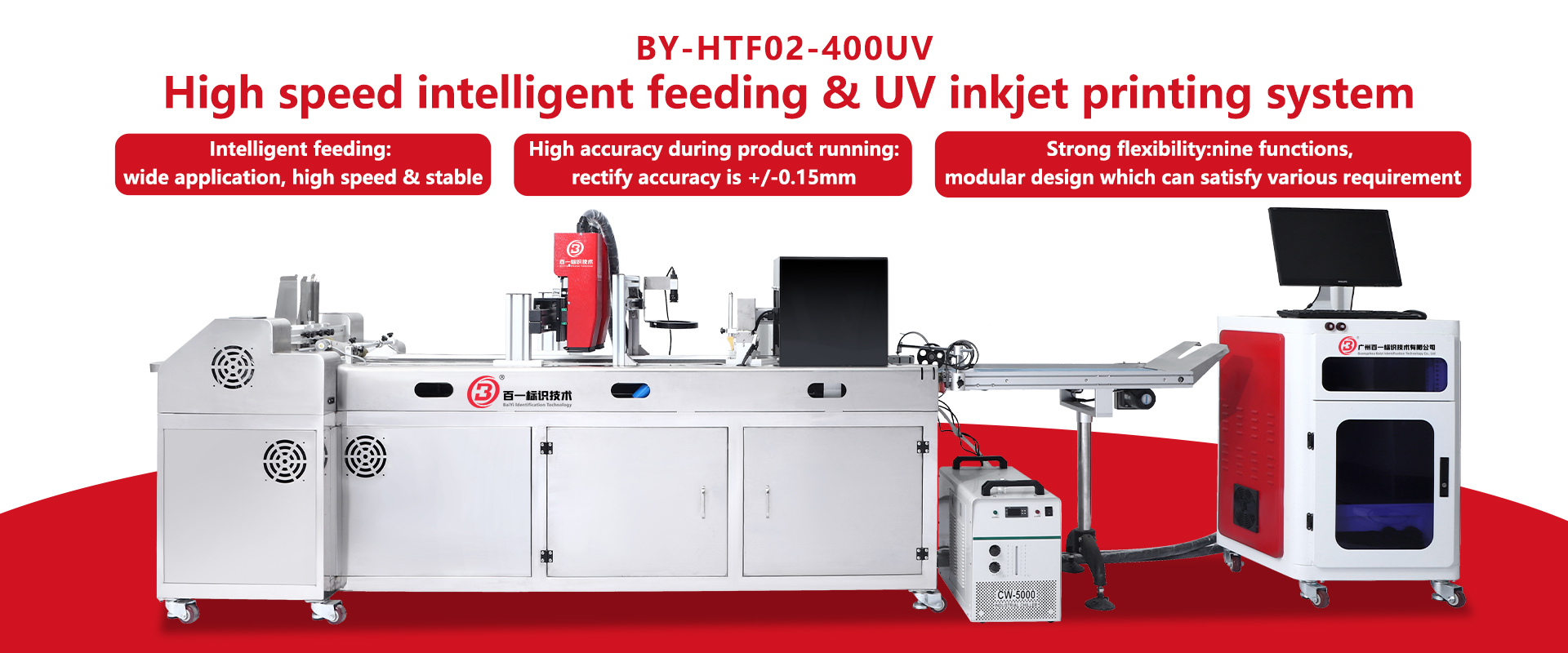
KN95/KF94 Face Mask Feeding & Printing Systems: High-Speed Automation Insights from Grand View Research

KN95 and KF94 face mask production increasingly depends on precise feeding and printing systems that can maintain stable material flow at high production speeds. The standard face mask feeding and printing machine is designed for disposable masks as well as N95/KN95-style masks, helping manufacturers position mask bodies accurately before printing. Its compact structure and refined feeder technology support reliable operation while saving valuable production space. The system can also be integrated with an existing ear-loop welding machine, creating a more coordinated automated workflow.

Available configurations include BY-TF04-300 for KF94 and KN95 face masks, BY-TF04-300 for disposable masks, and BY-HTF200 for disposable face masks. Depending on production requirements, operators may select continuous feeding for uninterrupted processing or intermittent feeding for applications requiring controlled spacing and timing. Since disposable and KN95/KF94 masks differ in shape, thickness, and handling characteristics, the feeding and printing setup should be matched to the specific mask design. This flexibility allows manufacturers to optimize material transfer, printing alignment, and downstream assembly within a high-speed automation line.

FAQS

What is a label feeder?

A label feeder releases labels from a roll or liner at a controlled speed. It supports consistent packaging.

How does a label feeder work?

The machine unwinds the liner and separates labels at a peel plate. A motor controls movement. A sensor detects label gaps and adjusts feeding. An applicator then presses each label onto a package.

Which packages can use a label feeder?

A feeder can present labels for boxes, bottles, pouches, and similar packages. The applicator must match the package shape and surface.

What should be tested before purchasing?

Test the actual label roll, liner, adhesive, and packaging material. Check spacing, alignment, speed changes, and sensor detection. Laboratory samples can mislead.

Why might labels wrinkle or skip?

Poor tension, dirty rollers, sharp guides, or incorrect settings can cause problems. Thin and glossy materials may slip. Small adjustments matter.

What quality features should a reliable feeder provide?

Look for stable tension, accurate sensors, durable rollers, and repeatable settings. Clear controls and accessible parts simplify daily maintenance. A polished brochure proves little.

How should operators maintain the equipment?

Keep rollers clean and dry. Inspect guides for sharp edges. Check roll alignment during production. Record successful settings for each material.

How does the environment affect feeding performance?

Dust, humidity, adhesive residue, and temperature changes can alter tension and grip. A setting that works today may fail tomorrow. That deserves attention.

How can a supplier be evaluated?

Request long-run speed tests, fault records, calibration results, and spare-parts guidance. Ask for evidence using your real labels. I would question any supplier avoiding measured results.

Conclusion

A label feeder is an industrial device that separates, advances, and accurately positions labels for downstream packaging, printing, inspection, or application processes. This article explains how label feeders work and highlights key quality standards, including feeding accuracy, stable speed control, material compatibility, sensor performance, durability, and ease of maintenance. It also examines how High Quality China Label Feeder Manufacturers design equipment for reliable performance through robust construction, precise control systems, adaptable configurations, and consistent quality management.

The guide compares label feeder models according to features, label sizes, operating speeds, automation requirements, and suitable applications. It also outlines practical factors for selecting the right China label feeder supplier, such as manufacturing experience, customization capability, technical support, testing procedures, delivery reliability, and after-sales service. By evaluating these points carefully, buyers can identify equipment that improves production efficiency, reduces feeding errors, and supports stable long-term operation.

Lila

Lila

Lila is a dedicated marketing professional at Guangzhou Baiyi Identification Technology Co., Ltd., where she plays a pivotal role in promoting the company's innovative solutions, including UV Printing Systems, Inkjet Printers, Coding Machines, Label Rewinders, and Card Feeders. With a profound......
Previous How to Choose the Right Vacuum Feeder Factory?