
0%

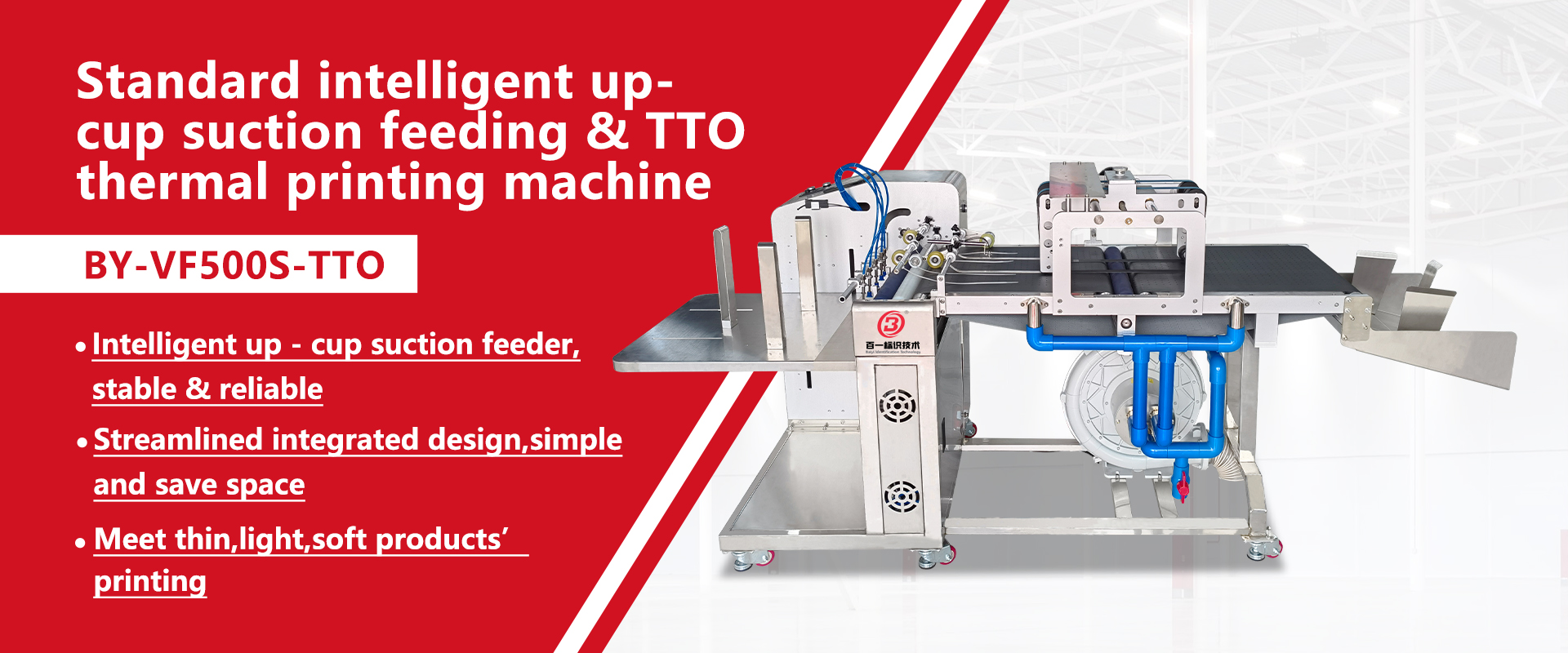
Picking the right label feeder manufacturer? Yeah, that decision quietly shapes packaging speed, label accuracy, and how stable your day-to-day production really is. China Supply Label Feeder Manufacturers have gotten a lot of attention lately, mainly because they tend to bring together solid equipment engineering, flexible customization, and competitive production capabilities. Still, price alone should never be the thing that decides the purchase.

From what practical equipment evaluations show, a reliable feeder has to handle label width, roll diameter, material thickness, and line speed consistently. And a test unit should really run beside the customer's applicator — not just in a supplier's showroom. Operators are often the first to spot the little stuff: label curling, unstable tension, delayed sensor response. Those details matter.

Because small errors? They get expensive fast.

Experienced manufacturers usually offer drawings, sample testing, installation guidance, and spare-part support. Companies like Hubei Chaoqiang Machinery Equipment Co., Ltd. and Dongguan Huitong Automation Equipment Co., Ltd. are the kind of suppliers buyers may look into, though independent verification is still a must. Factory audits, production records, technical communication, and after-sales response can tell you more than a polished catalog ever will.

No supplier is perfect. Not one.

A thoughtful buyer should compare feeder performance, control compatibility, maintenance access, and long-term service. Certifications and quality documents should be checked against the actual machine model, too. This step gets overlooked sometimes. It shouldn't be. China Supply Label Feeder Manufacturers can definitely offer strong value, but dependable results come from clear specifications, realistic testing, and careful supplier assessment.

Why Choose China Supply Label Feeder Manufacturers?

What Is a Label Feeder and How Does It Work?

A label feeder is a machine module that presents labels to an applicator at a controlled speed. It may handle pre-cut labels, fanfold labels, or labels from a roll. The feeder separates each label, advances it, and places it in the correct position. This process supports cartons, bottles, bags, and other packaged products.

Inside the unit, drive rollers pull the label material forward. A sensor detects the label edge or printed mark. The controller then stops the feed within a narrow tolerance.

Some systems use vacuum belts to hold labels flat. Others rely on friction rollers and adjustable guides. A small gap matters. If the spacing changes, labels can overlap or miss the application point.

Choosing China supply label feeder manufacturers can support custom machine integration and cost control. Experienced factories often adjust feeder width, speed, sensor position, and communication interfaces for a specific production line. I have found that sample testing reveals more than a product sheet. Label stiffness, adhesive behavior, dust, and humidity can change performance. This is where careful engineering matters.

Quality is not automatic.

Ask for material records, test reports, control accuracy, and replacement-part support. Request a trial with your actual labels and containers. A feeder may look stable during a short demonstration, yet drift after continuous operation. That weakness should be discussed, not hidden. Supplier communication, inspection procedures, and after-sales response remain important measures of reliability.

Why Are Chinese Label Feeder Manufacturers in High Demand?

Chinese label feeder manufacturers are in high demand because label production is becoming faster, more automated, and more flexible. Grand View Research valued the global labels market at approximately US$48.3 billion in 2023. It also forecasts a 5.2% compound annual growth rate from 2024 to 2030. This expansion increases pressure on converters to feed labels accurately during short production runs.

China offers a dense manufacturing network for motors, sensors, control systems, and precision frames. According to the International Federation of Robotics, China installed 276,288 industrial robots in 2023, representing about 51% of global installations. That automation experience supports practical feeder development.

In production, buyers often check whether a feeder maintains stable spacing, handles delicate stock, and changes formats quickly. Small details matter.

The Smithers report, The Future of Packaging Print to 2028, highlights automation, waste reduction, and shorter runs as important packaging trends. Chinese suppliers respond with adjustable guides, servo-driven feeding, and remote troubleshooting. Their pricing is often competitive because components and assembly remain geographically close.

Not perfect, though. Quality can vary between factories. Some suppliers still need stronger documentation and after-sales support. Careful buyers should request test videos, tolerance data, spare-parts lists, and samples using their actual label material. Practical evidence beats attractive catalog claims.

What Types of Label Feeders Do Chinese Suppliers Offer?

Why Choose China Supply Label Feeder Manufacturers?

Chinese suppliers offer several label feeder types for different packaging lines and production speeds. Friction feeders use controlled rollers to separate labels, cards, or lightweight pouches. They suit common materials and provide simple, steady operation. Vacuum feeders use air suction for delicate or uneven products. They reduce surface contact and help prevent scratches.

Servo-driven feeders support accurate positioning at higher speeds. Their motors can adjust label length, spacing, and timing through a digital control panel. Pneumatic feeders provide quick movement and work well in compact machines. Some suppliers also produce tamp-blow feeders for applying labels onto products with uneven surfaces. Roll-fed models handle continuous label materials, while sheet feeders process pre-cut stacks. The choice depends on label thickness, adhesive behavior, product shape, and line speed.

During factory trials, engineers usually inspect sensor response, roller pressure, and feeding accuracy. Small changes matter. A hard roller may mark thin stock, while low pressure can cause slipping. Many Chinese manufacturers offer custom guides, brackets, and control interfaces for existing equipment. However, customization needs clear samples and testing.

No feeder is perfect. I have seen promising prototypes struggle with dusty labels or humid workshops. Reliable suppliers should provide trial reports, spare-part guidance, and practical maintenance instructions. Buyers should verify long-run stability, not only the first successful test.

How Do Chinese Manufacturers Ensure Product Quality?

Why Choose China Supply Label Feeder Manufacturers?

Chinese label feeder manufacturers increasingly combine scale with structured quality control. The ISO Survey 2022 recorded 1,265,216 valid ISO 9001 certificates worldwide. This standard supports documented processes, corrective actions, and customer-focused risk management. Reliable factories apply these principles from material purchasing to final assembly. They inspect motors, sensors, rollers, and control boards before production begins. Incoming components receive batch numbers for later traceability.

Production teams often use sampling plans and statistical process control. They measure feeding accuracy, speed stability, noise, and sensor response. Technicians calibrate testing tools against defined references. Finished feeders may complete continuous-run tests, simulated label loading, and factory acceptance checks. These steps reveal jams that a simple visual inspection can miss. Quality engineers also record failure causes and update work instructions. However, a certificate alone proves little. Audit records, test videos, and sample reports deserve careful review.

Tips: Request a recent ISO 9001 certificate, inspection checklist, and calibration record. Ask for measured tolerance data, not only “high precision.” Confirm whether serial numbers connect products with test results. A small trial order can expose packaging damage, feeding inconsistency, or unclear manuals. Do not assume every supplier follows the same discipline. Even experienced factories can miss defects when inspection pressure rises. Independent pre-shipment inspection adds useful evidence, though it cannot replace long-term field testing. Source: ISO Survey of Certifications 2022.

Why Choose China Supply Label Feeder Manufacturers?

How Do Chinese Manufacturers Ensure Product Quality?

A practical quality-control approach is to inspect production lots using statistically defined sampling plans. The chart shows sample sizes specified by ISO 2859-1, General Inspection Level II, for different lot-size ranges. Manufacturers can combine this method with incoming-material inspection, in-process checks, functional testing, and final inspection to improve consistency without testing every unit.

What Cost and Customization Benefits Do They Provide?

Choosing China supply label feeder manufacturers can reduce equipment costs without limiting practical customization. Their mature machining and electrical supply chains often lower prices for frames, rollers, sensors, and control panels. Volume production also helps spread tooling expenses across multiple orders. However, the lowest quotation is not always the lowest final cost.

A capable manufacturer can adjust feeder width, label pitch, dispensing speed, sensor position, and mounting holes to match an existing packaging line. Some can build a compact unit for narrow labels or add a stronger motor for heavier rolls. These changes may prevent costly line modifications. The difference is practical. Ask for a sample run using your actual labels, adhesive, liner, and operating speed. A short test can reveal slipping, curling, or inconsistent release.

Reliable purchasing requires more than comparing unit prices. Request clear drawings, a parts list, testing records, and defined acceptance standards. Factory audits, video inspections, and documented quality procedures add useful evidence. Spare sensors and rollers should be priced before production begins. That matters. Freight, import duties, installation, and software adjustments can change the budget substantially. Some suppliers also charge separately for tooling or engineering revisions, which is easy to miss in an attractive offer. Small orders may receive less attention, and communication can occasionally slow technical decisions. A careful buyer should compare total ownership cost, response time, warranty terms, and customization limits before approving the design.

Why Choose China Supply Label Feeder Manufacturers? - What Cost and Customization Benefits Do They Provide?

Evaluation Dimension Typical China Supplier Offering Practical Cost or Customization Benefit Important Consideration
Equipment price Standard label feeders are commonly quoted in the approximate range of US$500–US$2,500, depending on speed, label dimensions, sensors, and controls. A broad manufacturing base and localized component sourcing can reduce the initial purchase cost compared with many high-cost manufacturing regions. Compare complete specifications, included accessories, testing, packaging, and shipping terms rather than comparing unit prices alone.
Customization cost Manufacturers can often modify guide rails, trays, mounting plates, label paths, sensors, and control interfaces for a specific production line. Using an existing platform with tailored components can cost less than developing a completely new machine. Request a mechanical drawing and written confirmation of every custom feature before production.
Label compatibility Solutions may support different label widths, lengths, backing materials, roll diameters, and dispensing directions. One adjustable feeder can serve multiple label formats, helping reduce the need for separate dedicated units. Confirm the minimum and maximum label dimensions, liner thickness, roll weight, and adhesive behavior through sample testing.
Operating speed Typical industrial models are often designed for approximately 20–100 labels per minute; actual output depends on label size, spacing, and product handling. Buyers can select a capacity that matches the line instead of paying for unnecessary high-speed hardware. Verify sustained speed using the buyer’s actual labels and products, not only the maximum no-load speed.
Minimum order quantity Many equipment suppliers accept low-volume orders, including one-unit trial purchases for standard configurations. A low initial quantity allows buyers to validate compatibility before committing to a larger rollout. Custom engineering, special tooling, or private-label requirements may have separate minimum quantities or development charges.
Lead time Standard units may be available in roughly 2–6 weeks; customized systems commonly require additional engineering and testing time. Factory-direct communication can support faster configuration changes when drawings, samples, and approvals are supplied promptly. The confirmed schedule should include design approval, sample testing, production, inspection, and shipment.
Control and integration Common options include photoelectric sensors, foot switches, PLC interfaces, encoder feedback, emergency stops, and adjustable dispensing modes. Interface customization can reduce the need for external adapters or extensive line modifications. Check voltage, communication protocol, I/O type, wiring diagrams, and compatibility with the existing line controller.
Spare parts and maintenance Wear parts such as rollers, belts, sensors, and springs are generally replaceable and can be supplied separately. Standardized components may lower replacement costs and simplify routine maintenance. Obtain a spare-parts list, recommended stock levels, maintenance instructions, and warranty terms before ordering.
Quality verification Factory acceptance testing can cover feeding accuracy, speed, sensor response, label alignment, and continuous operation. Pre-shipment testing helps identify integration issues before international delivery and installation. Use approved samples, measurable acceptance criteria, inspection records, and product videos or live testing where appropriate.
Shipping and total landed cost International shipping, insurance, import duty, taxes, installation, and local compliance costs are normally calculated separately from the equipment price. Factory-direct purchasing can be cost-effective when the buyer compares the full landed cost and consolidates related equipment or spare parts. Ask for a detailed quotation showing Incoterms, packing method, shipping estimate, documentation, and any destination charges.

Note: The figures and ranges are indicative industry-level planning values for standard label-feeding equipment. Final pricing, performance, lead time, and customization availability depend on the machine configuration, label materials, order quantity, testing requirements, shipping route, and destination regulations.

How Should Buyers Select a Reliable Chinese Manufacturer?

Choosing a reliable Chinese label feeder manufacturer requires more than comparing prices. Buyers should verify production experience, engineering capability, and quality controls before discussing large orders. Ask for evidence, not promises.

Request detailed drawings, material specifications, feeding speed, label dimensions, and tolerance ranges. A dependable manufacturer should explain how its feeder handles curled labels, adhesive residue, and continuous operation.

Buyers should review sample reports, inspection records, and relevant safety documents.

Test it first. Run your own labels through a sample unit for several hours.

Observe alignment, noise, jams, and restart performance. Small defects often appear after repeated cycles.

Communication also matters. The supplier should answer technical questions clearly and provide realistic delivery schedules. Check whether spare parts, manuals, remote support, and repair procedures are available.

A factory visit may reveal useful details, such as organized assembly areas and traceable component storage. However, an impressive showroom does not prove stable production. This is where buyers can misjudge a supplier.

Independent inspections and staged payments may reduce that risk. It is also wise to begin with a controlled order instead of committing immediately to high volume. A reliable partnership develops through measurable results, transparent records, and honest responses when problems occur.

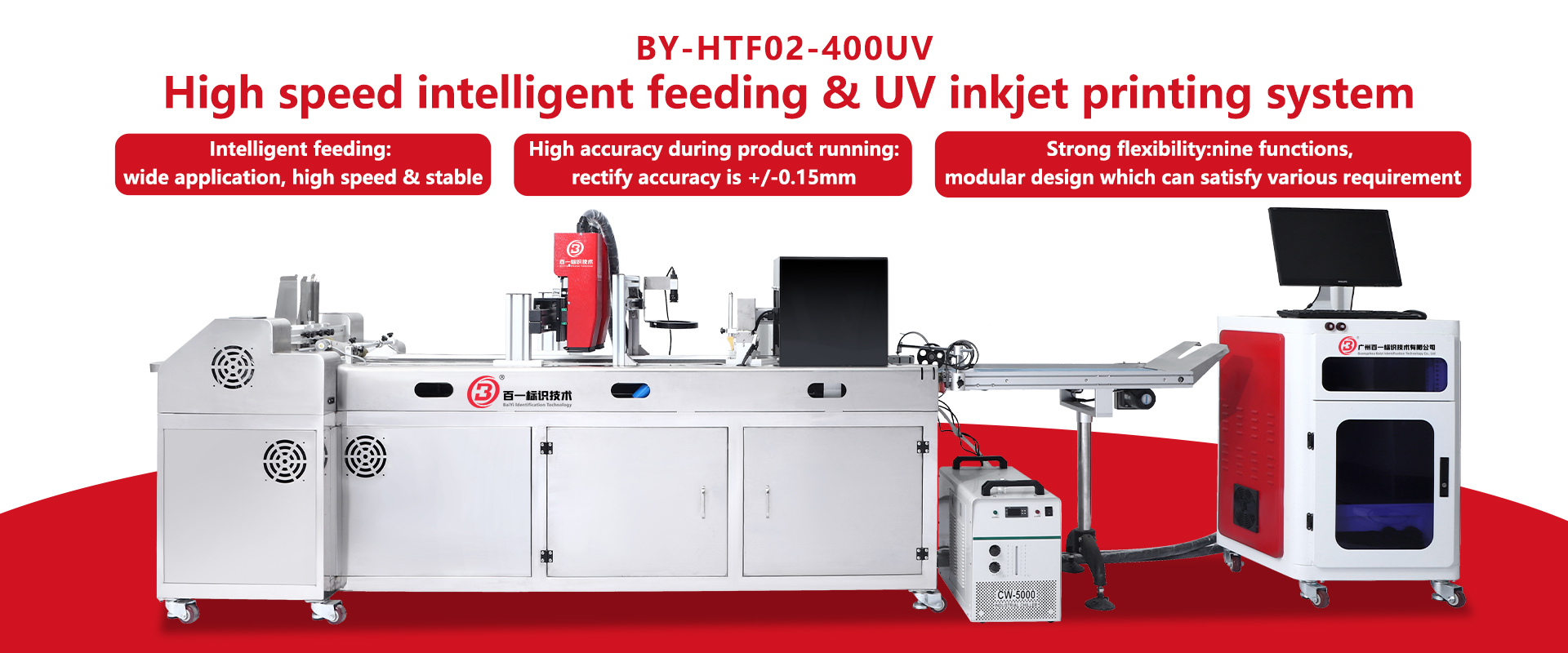
Intelligent Feeding & Rewinding Color UV Printing System: Smarter, Faster, More Precise Printing

Digital printing is moving toward shorter runs, faster customization, and more flexible production. Industry market reports forecast steady growth in digital print through the end of the decade, driven by personalized products, on-demand manufacturing, and reduced setup requirements. The Intelligent Feeding & Rewinding Color UV Printing System responds directly to these trends by combining intelligent material feeding with full-color UV digital printing in a compact, high-precision platform.

Its automated feeding and rewinding functions help maintain stable material movement, while UV curing produces sharp text, vivid images, and strong ink adhesion immediately after printing. The system supports paper, plastics, wood, leather, metal, glass, and ceramics, enabling production of logos, serial numbers, QR codes, barcodes, and customized graphics. Research reports on industrial digital printing also identify low-volume, variable-data, and multi-material applications as important growth areas, making this solution suitable for both sample production and small-batch orders.

Designed for practical operation, the system offers one-touch startup and single-item production without lengthy plate or screen preparation. This can reduce setup waste, shorten delivery cycles, and support economical customization. Its precise color reproduction, reliable performance, and low operating costs make it a smart choice for manufacturers seeking faster, more accurate, and more adaptable UV printing workflows.

FAQS

What is a label feeder?

A label feeder presents labels to an applicator at a controlled speed. It handles rolls, fanfold labels, or pre-cut labels. It supports cartons, bottles, bags, and similar packages.

How does a label feeder work?

Drive rollers pull the label material forward. A sensor detects an edge or printed mark. The controller stops feeding at the required position. Small gaps matter.

Which parts control label accuracy?

Sensors, rollers, guides, and the controller control accuracy. Some feeders use vacuum belts. Others use friction rollers. Incorrect spacing may cause overlaps or missed applications.

Can one feeder handle different label materials?

Many feeders support different materials, but performance can change. Stiff labels, dust, humidity, and adhesive behavior all matter. Test the actual labels before purchase.

What should buyers check when selecting a supplier?

Check feeder width, speed, sensor position, and communication interfaces. Request control tolerances, material records, and test reports. Spare-parts support also matters.

Why is sample testing important?

Sample testing reveals problems hidden by product sheets. Use your labels and containers during the trial. Watch for drifting, slipping, curled edges, and changing gaps.

Are short demonstrations enough to judge feeder reliability?

Not usually. A feeder may appear stable for ten minutes, then drift during continuous operation. Ask for longer tests. Reliability is not automatic.

Why do many buyers consider Chinese manufacturers?

They offer access to nearby motors, sensors, control systems, and precision frames. Competitive assembly costs can support custom integration. Results still vary between factories.

What weaknesses should buyers consider?

Documentation and after-sales support may be uneven. Communication can also slow troubleshooting. Do not rely on attractive catalog claims alone. Practical evidence is better.

Conclusion

China Supply Label Feeder Manufacturers provide practical solutions for businesses that need accurate, stable, and efficient label handling in automated production lines. A label feeder separates labels from rolls or stacks and delivers them at a controlled speed and position for packaging, printing, inspection, or application. Chinese suppliers are in high demand because they combine manufacturing experience, flexible production capacity, competitive pricing, and responsive customization services. Their product range may include compact tabletop feeders, high-speed automatic models, roll-fed systems, sheet-label feeders, and equipment designed for integration with existing machines.

To ensure product quality, reliable manufacturers typically use tested components, standardized assembly procedures, inspection processes, and performance testing before shipment. Buyers may also benefit from customized dimensions, control systems, feeding speeds, interfaces, and packaging options without excessive development costs. When selecting a supplier, buyers should evaluate technical specifications, production capabilities, quality control procedures, communication efficiency, delivery reliability, after-sales support, and sample performance. Comparing several qualified manufacturers and clearly confirming requirements can help ensure a suitable, dependable, and cost-effective label feeding solution.

Ethan

Ethan

Ethan is a dedicated marketing professional at Guangzhou Baiyi Identification Technology Co., Ltd., where he leverages his extensive knowledge of the company's core products, including UV printing systems, inkjet printers, coding machines, label rewinders, and card feeders. With a passion for......
Previous 7 Best China Label Feeder Suppliers for Global Buyers