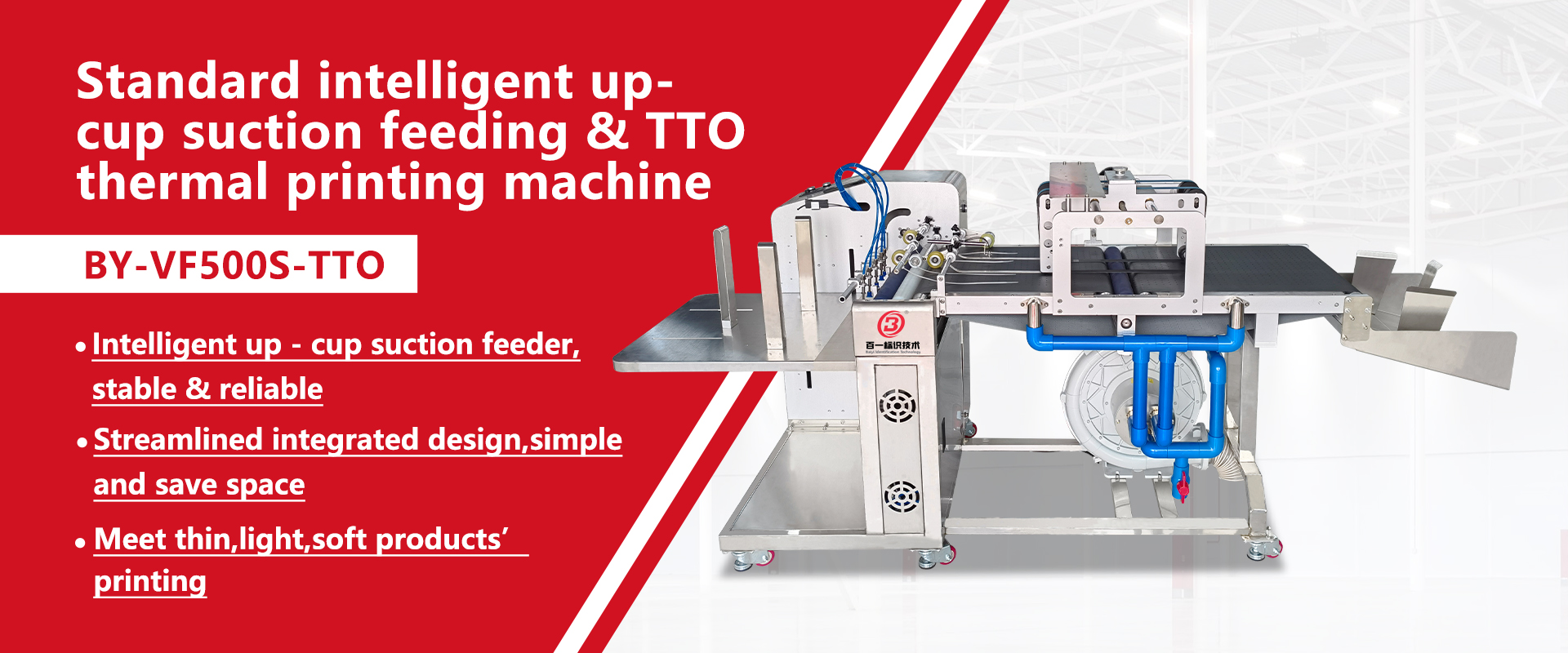
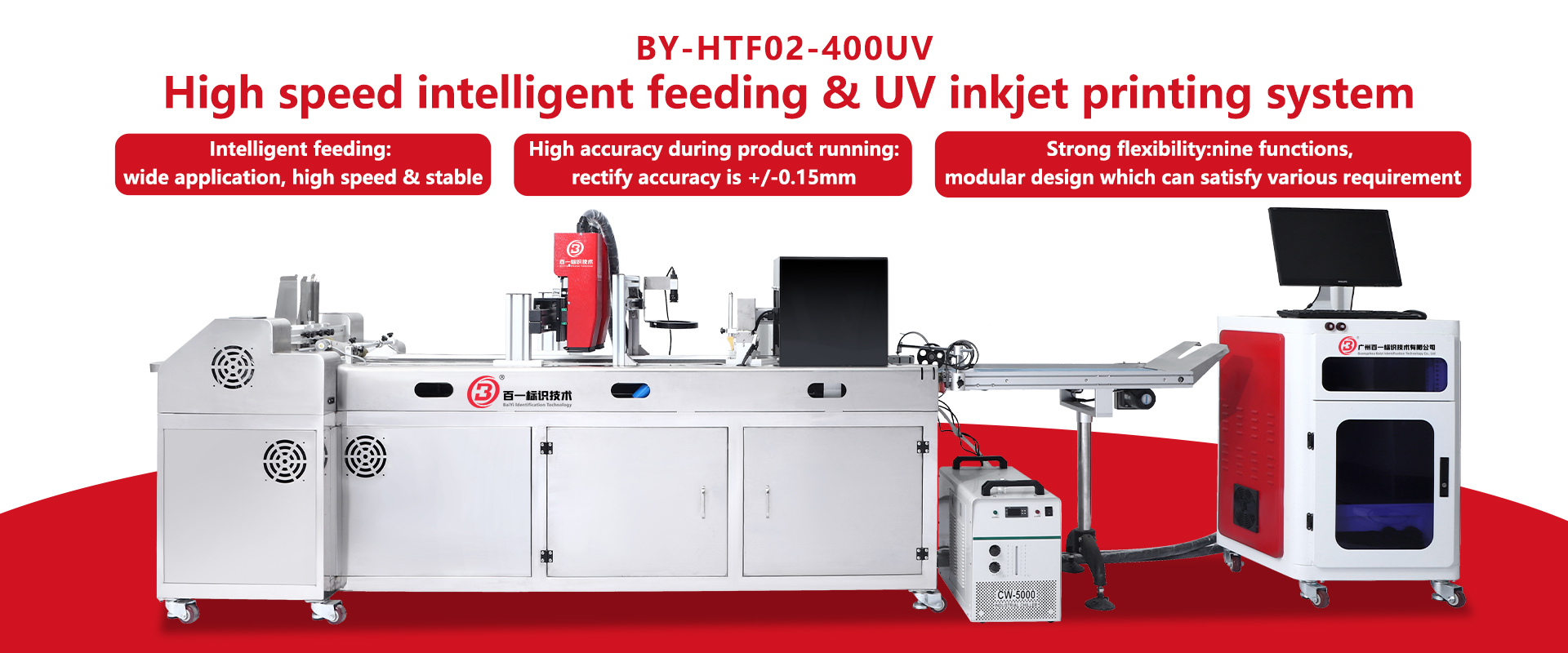

China's label feeder industry plays a crucial role in delivering quick and precise label application across various sectors like packaging, logistics, electronics, and consumer goods. For buyers around the world, choosing the right supplier isn’t just about cost—it's about ensuring things run smoothly, minimizing waste, making integration easier, and getting solid support after the sale. A good feeder should handle different label sizes, materials, roll diameters, speeds, and dispense accuracy, all without needing constant tinkering.
According to Grand View Research, the global labels market hit around USD 49.9 billion in 2023. And it’s not slowing down—growth is expected to keep going strong through 2030, thanks to increased demand from the packaged foods, healthcare, logistics, and retail sectors. Meanwhile, Smithers’ report titled "The Future of Global Packaging to 2028" points out that automation and connected production are hot trends shaping the industry. Basically, buyers are paying more attention to feeder controls, sensor reliability, and how well machines communicate before even chatting about prices.
This guide aims to highlight seven Chinese label feeder suppliers that international purchasing teams should consider. We look at what they offer, their ability to customize, how ready they are for exports, the documentation they provide, quality control practices, and how good their tech support is. A reliable supplier will give you clear drawings, test samples, inspection records, and solid guidance for installation—small details that really matter because overlooked errors can lead to bigger problems down the line.
If you're searching for “Supply China Label Feeder,” don’t just take claims at face value. It’s super important to verify everything independently. Keep in mind, market stats use different definitions, so comparisons aren’t always apples-to-apples. No single shortlist is perfect either. Doing factory visits, watching demo videos, checking references, or even placing a trial order can uncover issues that marketing brochures might hide. Remember, the biggest supplier isn’t always the best fit. The real winner is the partner who can provide consistent, reliable feeding performance tailored to your actual production setup.
A label feeder is a machine that separates labels from a roll or stack and releases them at a controlled speed. It supports packaging lines, inspection stations, and automated labeling equipment. For global buyers, understanding its operation helps when comparing China label feeder suppliers.
The process begins when a motor drives a roller or belt. A peel plate separates the label from its backing material. Sensors detect label gaps, edges, or printed marks. A controller then adjusts feeding speed and stopping position. This coordination places each label within a narrow tolerance, often measured in millimeters.
Some feeders handle pressure-sensitive labels, while others suit folded, booklet, or linerless formats.
During factory trials, technicians normally test label width, thickness, adhesive behavior, and roll tension. A small change in humidity can affect separation. Dust may also reduce sensor accuracy.
These details are easy to overlook. They should not be.
Buyers should request sample testing, speed data, electrical specifications, and maintenance guidance from suppliers. A feeder may run smoothly with one label stock but slip with another.
I have seen specifications look excellent, yet actual performance needed adjustment. That is why clear testing records and responsive technical support matter.
Adjustable guides, accessible rollers, emergency stopping, and compatible control signals can simplify installation and daily operation. Calibration is rarely a one-time task. Jiova
Reliable China label feeder suppliers matter because feeding accuracy affects every downstream packaging step. A small alignment error can create wrinkles, missed labels, or costly stoppages. Global buyers need suppliers who understand different label materials, roll sizes, speeds, and machine interfaces.
Practical experience should guide the selection. Ask for samples using your actual labels, not only standard stock. Check feeding stability during long test runs. Measure accuracy after thousands of cycles. A capable supplier should provide clear drawings, electrical details, spare-parts guidance, and realistic delivery dates. Factory audits can also reveal useful details, such as calibration records, operator training, and how finished units are inspected.
Communication is equally important. Reliable suppliers explain technical limits instead of promising everything. They should respond consistently across engineering, production, and quality teams. Documentation must support installation, maintenance, and safe operation in the buyer’s market. Independent inspections can reduce uncertainty before shipment. No supplier is flawless. Even a well-organized factory may miss a small specification change, so written confirmation matters. Buyers should question unclear tolerances and test replacement parts early. Cheap pricing can look attractive, but unstable feeding may cost more through rejected labels and production delays. A dependable partnership grows from verified performance, honest communication, and continuous review.
China’s label feeder sector serves a growing packaging automation market. PMMI reported that U.S. packaging machinery shipments reached about $10.2 billion in 2022. This figure shows strong demand for reliable feeding, coding, and inspection equipment. Global buyers should evaluate suppliers against real production conditions, not attractive catalog images.
A supplier should provide test videos using your labels. Request samples with curled, static, or lightly damaged stock. These details expose weaknesses quickly. Check whether the feeder supports continuous operation and quick changeovers. The machine should also include clear electrical drawings, safety documentation, and traceable component specifications. CE or other relevant conformity evidence matters, but certificates alone do not prove stable performance.
Review quality-control records, incoming inspection methods, and final run-test procedures. The supplier should explain spare-part availability, response times, and remote troubleshooting. PMMI research continues to identify labor shortages and automation as major packaging investment drivers, making service capability commercially important.
During audits, I have found that polished demonstrations can hide inconsistent sensor calibration. That is easy to miss.
A practical evaluation should include a pilot run, a written acceptance standard, and measured results over several hours. One weakness remains unavoidable: online supplier information is often incomplete. Buyers should verify every important claim through samples, references, and independent inspection before payment.
China’s label feeder market serves seven distinct buyer needs. Compact suppliers suit startups with short runs and frequent product changes. High-speed specialists support factories chasing greater output and fewer stoppages. Custom builders help users handling unusual label sizes, roll diameters, or conveyor layouts. Integration-focused suppliers connect feeders with printers, sensors, and inspection systems. Clean-design manufacturers may suit food, cosmetic, or controlled production environments. Budget-oriented suppliers can help smaller factories manage initial costs. Export-ready suppliers usually provide stronger documentation and installation support.
Tips: Ask for a live test with your actual labels. Request drawings, electrical details, maintenance instructions, and sample videos. Check spare-part availability before ordering. A low price can become expensive when support is slow. I have seen impressive specifications fail during acceleration because small labels slipped. That detail matters.
From practical sourcing experience, modular equipment often gives growing buyers better flexibility. However, extra customization is not always useful. Ask whether future format changes require new parts or simple adjustments. Confirm packaging protection, warranty terms, response times, and required local compliance documents. Suppliers should explain failed test results clearly, not show only successful demonstrations. Some avoid difficult questions. That can reveal their real working style. Compare performance, communication, ownership cost, and technical risk before choosing a supplier.
When comparing seven label feeder suppliers, model fit should come before quoted price. In production trials, I check label width, liner thickness, roll diameter, and dispensing speed. A feeder handling 300 labels per minute may still fail with curled stock. Ask for sample testing using your actual labels. Review sensor accuracy, mounting space, changeover time, and control compatibility. These details show practical performance better than catalogue tables. Small design differences can stop a packaging line.
Price comparison needs a complete cost view. Request the feeder price, spare parts list, shipping terms, installation support, and maintenance schedule. A cheaper unit may require frequent roller replacement or manual adjustment. Confirm warranty coverage and response times in writing. Production capacity also needs evidence. Ask for test reports, factory output records, lead times, and monthly assembly capacity. Claims can sound impressive, yet delivery may slow during peak seasons. I would leave room for doubt and verify figures through a live demonstration.
Tips: Use one scoring sheet for every supplier. Give separate scores for speed, accuracy, durability, service, and total cost. Record test conditions, not only results. A 500-label-per-minute claim means little without label size, material, and inspection method. Keep one backup option when the feeder supports a critical production line.
| Rank | Anonymous Supplier Profile | Typical Feeder Configuration | Label Width | Max. Label Roll Diameter | Operating Speed | Placement Accuracy | Indicative Unit Price | Estimated Monthly Capacity | Typical Lead Time | Best Application |
|---|---|---|---|---|---|---|---|---|---|---|
| 1 | Profile A — High-Speed Industrial Supplier | Servo-driven automatic label feeder with PLC control and touchscreen interface | 20–150 mm | 300 mm | Up to 300 labels/min | ±1 mm | US$2,800–6,500 | 80–160 units | 20–35 days | High-volume packaging and automated assembly lines |
| 2 | Profile B — Flexible OEM Supplier | Modular belt-type feeder with adjustable guides and custom mounting brackets | 15–180 mm | 250 mm | Up to 220 labels/min | ±1.5 mm | US$1,800–4,800 | 60–120 units | 25–40 days | OEM projects requiring machine integration |
| 3 | Profile C — Compact Packaging Supplier | Compact stepper-motor feeder for intermittent labeling and small conveyors | 10–120 mm | 250 mm | Up to 160 labels/min | ±2 mm | US$900–2,400 | 100–220 units | 15–25 days | Small and medium packaging lines with limited floor space |
| 4 | Profile D — Vision-Integrated Supplier | Servo feeder combined with photoelectric sensors and optional camera inspection | 20–160 mm | 300 mm | Up to 240 labels/min | ±0.8 mm | US$3,500–8,000 | 40–90 units | 30–50 days | Pharmaceutical, electronics, and quality-critical labeling |
| 5 | Profile E — Heavy-Duty Supplier | Reinforced feeder designed for large rolls, thick stocks, and continuous operation | 30–200 mm | 400 mm | Up to 180 labels/min | ±1.5 mm | US$3,000–7,000 | 30–70 units | 35–55 days | Industrial containers, cartons, and long-shift production |
| 6 | Profile F — Entry-Level Export Supplier | Basic pneumatic or stepper-driven feeder with manual speed adjustment | 10–100 mm | 200 mm | Up to 120 labels/min | ±2.5 mm | US$600–1,500 | 150–300 units | 10–20 days | Start-ups, pilot lines, and low-volume production |
| 7 | Profile G — Custom Multi-Lane Supplier | Multi-lane or application-specific feeder with custom controls and tooling | 15–250 mm | 350 mm | Up to 260 labels/min | ±1 mm | US$4,500–12,000+ | 20–50 units | 45–75 days | Complex products, multi-format labels, and specialized automation |
The global labels market was valued at about USD 45.6 billion in 2023, according to Grand View Research. That scale increases pressure on reliable feeding equipment. Buyers should check more than the quoted unit price. Ask for feeder speed, label width range, material compatibility, and verified accuracy under continuous operation. A polished sample video is useful. It is not proof.
Request a test using your actual labels, including the smallest gap, curled edges, and adhesive-backed stock. Record misfeeds during a fixed production run. Ask whether the supplier measures accuracy by percentage or by rejected pieces. The difference matters. Also inspect motor access, sensor quality, emergency stops, and spare-part availability. A practical supplier should provide wiring diagrams, installation instructions, and remote troubleshooting procedures. ISO 9001 certification can support process control, but it does not guarantee feeder performance.
The 2024 FINAT Radar report showed continued pressure on European self-adhesive label converters, making downtime increasingly expensive. Confirm factory lead time, inspection procedures, packaging protection, and payment milestones in writing. Request references from comparable production environments, not only traders. Language gaps can create small errors. Small errors become costly. I would also calculate the total cost over three years, including maintenance, rejected labels, shipping, and technician visits. Many buyers overlook this part. That is understandable, but not wise.
The Customized Intelligent Friction Feeder BY-HF02-800 is designed to bring precision and flexibility to modern production lines. Unlike the standard model, which uses a manual handle for friction-belt adjustment, this advanced feeder features electrical belt adjustment for faster, smoother, and more convenient setup. Operators can fine-tune the feeding position according to the size, thickness, and surface characteristics of different products, helping maintain stable output during continuous operation.
Equipped with five friction belts and three separate modules, the feeder allows users to select how many belts are needed for each application. This flexible structure supports a wide range of product formats while reducing unnecessary contact and improving feeding accuracy. The independent modules can be configured according to product features and separator requirements, making the system suitable for customized production workflows. With intelligent adjustment and modular feeding control, the BY-HF02-800 helps production lines achieve more consistent performance, easier changeovers, and more efficient material handling.
Request feeding speed, label-size ranges, material compatibility, and placement accuracy. Ask for measured results, not catalog promises. Test videos help, but they are not proof.
Your labels may have curled edges, static surfaces, narrow gaps, or uneven liners. These conditions can reveal misfeeds quickly. Use a fixed production run and record every rejected label.
Check sensor accuracy, motor access, emergency stops, mounting space, and changeover time. Review control compatibility with your existing line. Small differences matter.
Include spare parts, shipping, installation, maintenance, and technician support. A low purchase price may hide frequent roller replacement. Calculate the estimated cost over three years.
Request wiring diagrams, safety documents, installation instructions, and component specifications. Ask for conformity evidence when relevant. Certificates alone cannot prove stable performance.
Review incoming inspections, quality records, final run tests, lead times, and monthly assembly capacity. Ask for evidence from comparable production environments. Peak-season delays are possible.
Confirm warranty coverage, spare-part availability, response times, and remote troubleshooting procedures. Clarify payment milestones and packaging protection. Verbal promises can fade.
Use one scoring sheet for every supplier. Score speed, accuracy, durability, service, and total cost separately. Record label size, material, test duration, and inspection methods. Leave one backup option. That may be excessive, but production stops are expensive.
This guide explains what a label feeder is, how it automatically separates and delivers labels into packaging or production lines, and why dependable sourcing is essential for global buyers. It outlines the main factors for evaluating China-based manufacturers, including feeding accuracy, speed, label compatibility, machine integration, build quality, customization options, technical support, and compliance documentation. It also introduces seven supplier categories suited to different purchasing needs, such as standard equipment, customized systems, compact solutions, high-speed production, and cost-conscious projects, without focusing on specific brand names.
The article further shows buyers how to compare models, prices, lead times, production capacity, warranty terms, and after-sales service. Before placing an order, purchasers should confirm sample performance, specifications, electrical requirements, inspection procedures, packaging, shipping arrangements, spare parts availability, and communication standards. By following these steps, businesses can more confidently Supply China Label Feeder equipment that matches their operational requirements, budget, and long-term production goals.