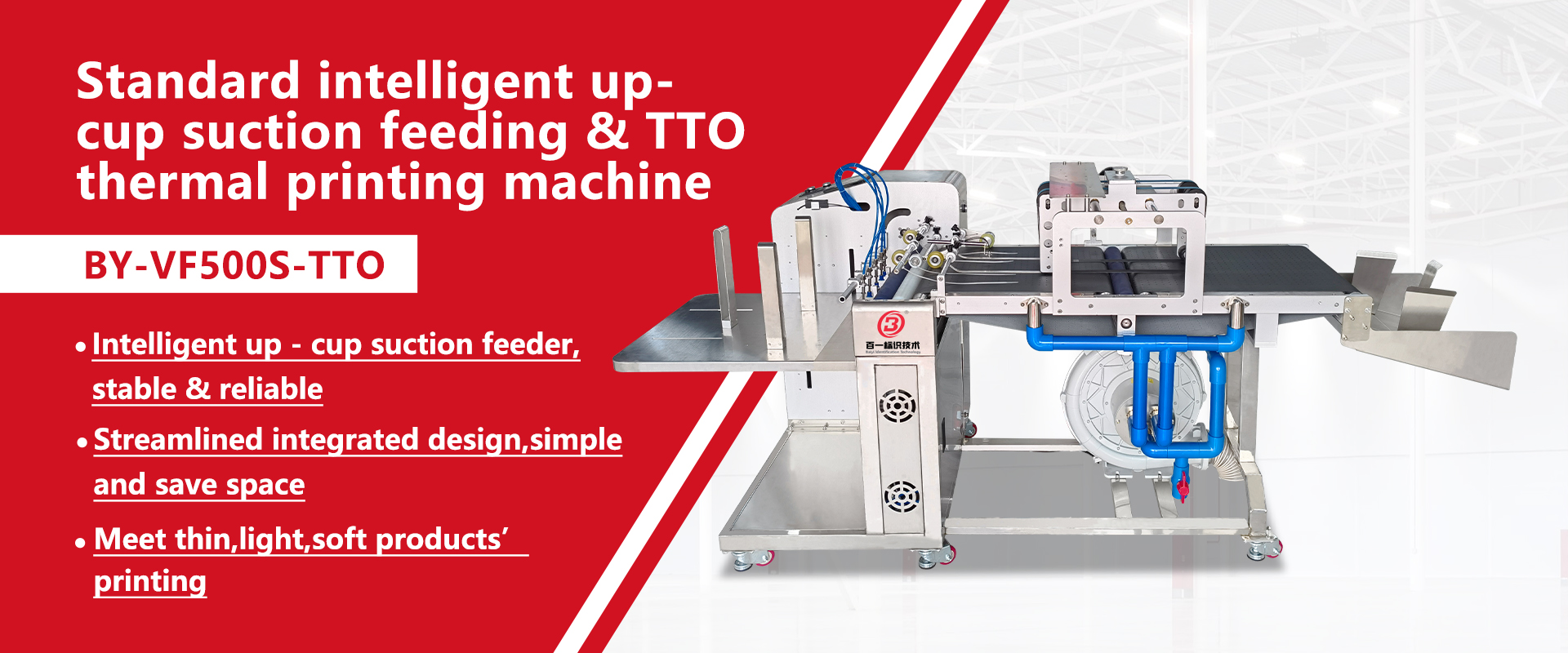
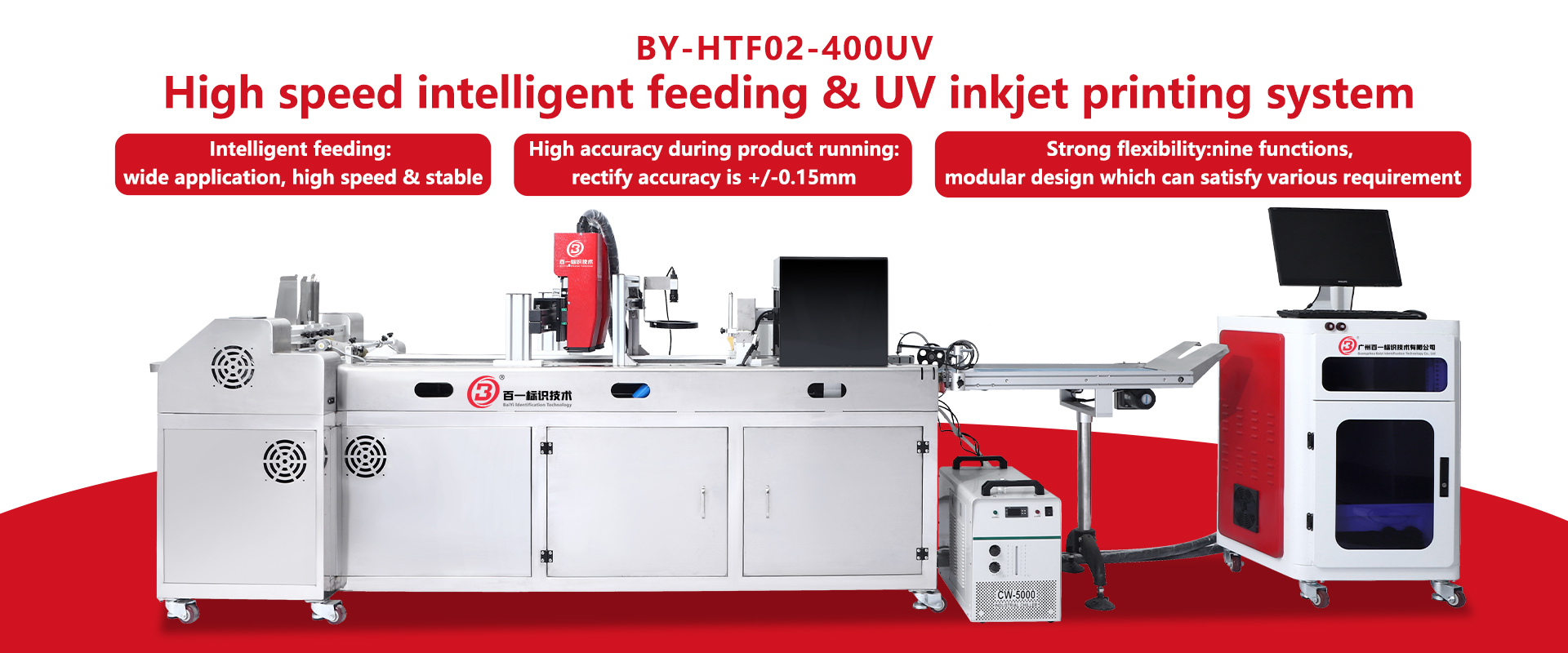
Finding a reliable label feeder in China? It’s not just about comparing prices on some marketplace. By 2026, buyers really need suppliers who get machine compatibility, label accuracy, production stability, and fair trade practices. A feeder might look simple, but one tiny alignment error can bring a whole packaging line to a halt. That’s the kind of detail that matters.
This guide is here to help you source China label feeder solutions with more confidence. We’ll walk through supplier research, technical back-and-forth, sample testing, factory checks, and contract control. Start with clear specs—label width, roll diameter, feeding speed, material type, sensor needs, mounting dimensions. Ask for videos of real production tests, not just polished demos. Get drawings, inspection records, warranty terms, and spare-part support. Certs like ISO 9001 can help with credibility, sure, but they don’t replace hands-on verification.
A solid sourcing process also looks at how well the supplier responds. Can they answer engineering questions clearly? Can they tweak the feeder without hiding its limits? If possible, run samples through your actual equipment. Check feeding consistency, stopping accuracy, noise, and changeover time. Weak communication often gets expensive after you’ve paid. And not every shiny factory is the right partner. Some specs may still be fuzzy early on—that deserves an honest look. Independent audits, video inspections, and staged payments can cut avoidable risk while keeping things fair. The best supplier isn’t always the cheapest. It’s the one that gives you repeatable performance, transparent paperwork, and real support after installation. That’s the sourcing standard that actually counts.

What a China Label Feeder Supplier Does in 2026
A China label feeder supplier in 2026 does more than sell a feeding machine. It helps manufacturers move labels accurately onto bottles, cartons, pouches, and other packaging lines. The equipment separates stacked labels, controls spacing, and places each label at a repeatable position. Some systems use servo motors, optical sensors, and touchscreen controls. Others remain simpler for low-speed production.
A capable supplier studies the customer’s label material before suggesting a model. Paper, transparent film, adhesive labels, and heat-sensitive stock behave differently. The supplier may request label samples, roll dimensions, line speed, and mounting drawings. It should then provide feeding tests, adjustment ranges, and maintenance guidance. Practical suppliers also explain how dust, humidity, and curled edges affect performance. Small details matter.
Not every supplier performs equally well. Some offer impressive specifications but provide weak testing records. I would ask for sample-run videos, inspection reports, spare-parts lists, and response times. A reliable supplier should document motor settings, sensor checks, and acceptance results. It should also support remote troubleshooting after installation. This support may involve video calls, replacement components, or revised operating parameters. Mistakes still happen. A feeder can pass a factory test yet struggle with a customer’s unusual label stock. That possibility deserves honest discussion before payment.
How to Define Your Label Feeder Requirements
How to Source a China Label Feeder Supplier in 2026?
How to Define Your Label Feeder Requirements
Before contacting a China label feeder supplier in 2026, define the machine’s real feeding job. Grand View Research values the global pressure-sensitive labels market at USD 102.8 billion in 2023. It also forecasts a 5.4% annual growth rate from 2024 to 2030. This growth increases demand for stable, flexible automation. Start with label width, length, thickness, gap, roll diameter, core diameter, and unwind direction. Record the smallest and largest sizes. Do not guess.
Specify the required speed and placement tolerance. “High accuracy” is not a measurable requirement. State whether the feeder must handle paper, film, transparent labels, curled stock, or static-sensitive materials. Include adhesive type and liner thickness. Ask for compatibility with your conveyor, sensor system, PLC, and available power supply. Test production samples, not only clean laboratory labels. Test ugly samples.
Smithers’ global label market research highlights shorter runs, product variation, and version control as continuing industry pressures. Therefore, require tool-free adjustments and quick changeovers when product sizes vary. Request a factory acceptance test using your actual labels and operating speed. Ask for inspection records, spare-parts lists, warranty terms, and remote troubleshooting procedures. A practical warning: a perfect sample run can hide poor performance after several hours. I would also specify a continuous-duty test, although many buyers overlook it. Reliability is proven under repetition, not promises.
Where to Find Qualified China-Based Suppliers
Finding a qualified China-based label feeder supplier starts with the right search channels. Industrial packaging exhibitions, accredited trade directories, and regional manufacturing associations can reveal experienced factories. Online listings are useful, but they are only a starting point. A polished page proves little.
Smithers’ 2024 market outlook estimates the global labels market will grow from about USD 49 billion in 2023 to more than USD 58 billion by 2028. This expansion is increasing demand for stable feeding equipment. Ask suppliers for machine videos, feeder speed ranges, material compatibility, and recent export references. A serious supplier should explain how the feeder handles paper, film, adhesive labels, and uneven rolls.
Check the factory, not just the quotation. Request business registration records, quality certificates, wiring diagrams, inspection procedures, and spare-parts lists. An independent audit can verify production capacity and testing equipment. The supplier should also provide a sample trial using your actual label stock. Small details matter. Ask about sensor response, web tension, dust control, and changeover time.
A 2023 PMMI automation report identified labor availability and production efficiency as major packaging automation concerns. That makes technical support important after delivery. Confirm response times, remote troubleshooting, installation guidance, and training arrangements in writing. I would not rely on one video call or one reference. My own caution is simple: supplier selection often feels efficient until an untested material exposes the weakness.
How to Check Supplier Capability and Product Quality
How to Source a China Label Feeder Supplier in 2026?
A capable label feeder supplier should explain its process clearly. Ask for factory photos, production capacity, engineering staff, and recent delivery records. Do not rely on a polished presentation. A clean showroom cannot prove stable manufacturing.
Request a working sample using your actual label size, material, roll diameter, and target speed. Observe feeding accuracy, sensor response, noise, and jam recovery. Run the machine continuously for several hours. Short tests can hide problems. Record the rejected labels and stopping frequency. Ask whether the sample uses standard parts or temporary replacements.
Review incoming inspection records, assembly checklists, calibration results, and final inspection reports. Reliable suppliers can trace key components by batch or serial number. They should also explain motor control, software updates, spare parts, and operator training. A video call from the production floor can reveal more than edited videos. Still, remote checks have limits. An independent factory audit may be worthwhile for large orders.
Compare promised output with documented test data. Check whether quality controls remain active during busy seasons. Ask how defects are handled, not only how they are prevented. The response often shows the supplier’s real maturity. Be cautious with vague guarantees. A detailed answer, supported by evidence, is more useful than impressive numbers. Supplier capability is not fixed; it must be verified before each major purchase.
How to Compare Pricing, Certification, and Support
When sourcing a China label feeder supplier in 2026, compare total cost, not only the quotation. Smithers’ The Future of Global Packaging to 2028 reports continued packaging growth, driven by automation and flexible production. This pressure can make low prices attractive. Yet a cheaper feeder may require custom brackets, slower setup, or frequent belt replacement. Ask for a line-item quote covering the feeder, controller, sensors, tooling, packaging, testing, and delivery. Request a sample run using your actual labels and container speed.
Certification needs practical verification. Ask for current CE, RoHS, EMC, and ISO 9001 documentation where applicable. Certificates should match the factory, model, and production site. Do not accept a copied PDF. Check the issuing body and test dates. PMMI’s 2024 packaging automation research highlights labor shortages and the need for dependable automated systems. That makes repeatability important. Measure feeding accuracy, rejected labels, speed stability, and changeover time during a witnessed test. A supplier claiming 99.9% accuracy should explain the testing conditions.
Support can decide the real purchase price. Define remote response time, spare-part availability, installation training, software updates, and warranty limits. Ask whether English manuals include wiring diagrams and fault codes. A useful service promise is measurable, such as a response within one business day. I would also request two recent customer references, without relying on polished testimonials. Some supplier answers may remain vague. That is a warning, but not automatic proof of poor quality. Document every assumption, because unclear assumptions often become unexpected costs after shipment.
How to Source a China Label Feeder Supplier in 2026? — Comparing Pricing, Certification, and Support
| Supplier Code |
Feeder Configuration |
Typical Label Width |
Rated Feeding Speed |
Indicative Unit Price
(USD) |
Minimum Order Quantity |
Typical Lead Time |
Certification and Documentation |
Quality-Control Evidence |
After-Sales Support |
Warranty |
Overall Assessment |
| Supplier A |
Standard friction feeder with adjustable side guides and photoelectric label detection |
20–120 mm |
Up to 30 m/min |
$680–$1,050 |
1 unit for sample order |
15–25 calendar days |
CE declaration; RoHS material declaration; electrical schematic available on request |
Factory function test; speed and sensor test report available for each shipment |
Remote installation guidance by email and video call; spare parts list provided |
12 months for main machine components |
Good value for standard applications |
| Supplier B |
Servo-driven label feeder with touchscreen control, encoder feedback, and batch counting |
15–150 mm |
Up to 50 m/min |
$1,450–$2,300 |
1 unit for trial order |
25–40 calendar days |
CE declaration; EMC test documentation; RoHS declaration; user manual in English |
Factory acceptance checklist; speed stability and repeatability test data |
Remote commissioning; control-parameter backup; response target within 1 business day |
12 months, with paid extended support available |
Best fit for higher-speed production lines |
| Supplier C |
Compact tabletop feeder with pneumatic separator and adjustable conveyor height |
25–100 mm |
Up to 20 m/min |
$420–$760 |
1 unit for evaluation |
10–20 calendar days |
CE declaration; basic electrical safety documentation; component datasheets |
Pre-shipment visual inspection and dry-run test |
Standard email support; replacement sensor and belt kits available |
12 months for manufacturing defects |
Suitable for low-volume and entry-level projects |
| Supplier D |
Heavy-duty friction feeder with modular conveyor, reject gate, and PLC interface |
30–200 mm |
Up to 40 m/min |
$1,100–$1,850 |
1 unit for customized quotation |
30–45 calendar days |
CE declaration; RoHS declaration; PLC I/O list; wiring diagram; risk-assessment file on request |
Run-in test under continuous operation; alignment and reject-function verification |
Remote troubleshooting; technical drawings; recommended spare-parts package |
12 months, excluding consumable belts and rollers |
Strong option for industrial integration |
| Supplier E |
Custom integrated feeder with vision trigger, coding interface, and conveyor synchronization |
20–180 mm |
Up to 35 m/min |
$2,200–$4,800 |
1 complete system for project quotation |
40–60 calendar days |
CE declaration; EMC documentation; RoHS declaration; software and interface documentation |
Factory acceptance test based on customer samples; integration test video supplied before shipment |
Application engineering; online commissioning; documented change-control process |
12 months; service contract normally quoted separately |
Best for customized and automated lines |
| Supplier F |
Modular feeder with quick-change guide rails and optional vacuum or air-assisted separation |
10–130 mm |
Up to 28 m/min |
$850–$1,400 |
1 unit for sampling |
20–35 calendar days |
CE declaration; RoHS declaration; operating manual; pneumatic and electrical diagrams |
Material inspection, assembly inspection, and pre-shipment operation test |
Video support; standard spare-parts availability; troubleshooting guide included |
12 months for the feeder assembly |
Balanced choice for flexible label formats |
Indicative 2026 sourcing benchmark in USD for China-made label feeders. Actual pricing depends on feeder width, motor type, control system, sensor package, conveyor length, customization, packaging, freight, duties, and payment terms. Certification status and test documents should be verified against the exact model and production batch before purchase.
How to Verify Samples Before Placing an Order
How to Source a China Label Feeder Supplier in 2026?
How to Verify Samples Before Placing an Order
A sample should prove performance, not merely appearance. Send the supplier your exact label roll, core size, width, thickness, adhesive, and target speed. Ask for a written sample report covering feeding accuracy, sensor response, and acceptable tolerance. Photos help, but they cannot replace a live test.
Request at least three sample runs. Test short labels, tightly wound rolls, splices, and uneven backing paper. Observe jams, slipping, curling, noise, and label placement. Record results at low, normal, and maximum speeds. An eight-hour trial is more useful than a polished ten-minute demonstration. Keep the test video, machine settings, and measured data.
Check whether the sample matches the proposed production model. Confirm the motor type, control interface, spare parts, warranty terms, and inspection process. Ask for a revised sample if any component changes. A feeder may perform well with one material but struggle with another batch. That detail is easy to miss. It deserves attention. No test is perfect. I would also leave a small tolerance margin, because factory conditions rarely match a showroom demonstration exactly. Request traceable inspection records before approving the order.
How to Manage Contracts, Production, and Delivery
Sourcing a China label feeder supplier in 2026 requires more than comparing factory prices. The contract should define label width, roll diameter, material range, speed, accuracy, and accepted tolerances. Add drawings, inspection methods, spare-part lists, and a dated approval process. Keep payment milestones tied to evidence, not promises. A practical structure uses deposit, pilot approval, pre-shipment inspection, and final balance. Ask who owns tooling and software settings. Also state how design changes affect cost and delivery dates. Vague language creates expensive arguments later.
During production, request a weekly report with photographs, test data, and open issues. An experienced buyer should confirm feeder performance using real labels, not only empty-machine tests. Check skew, jams, sensor response, and continuous operation during a recorded trial. Use a sample approval sheet signed by both parties. If a supplier misses a checkpoint, require a corrective action date and responsible contact. Do not accept “almost ready.” Factory schedules can slip because a minor sensor replacement seems unimportant. That mistake is avoidable, although no plan is perfect.
Before dispatch, match serial numbers, packing photos, manuals, electrical documents, and spare parts against the contract. Use shock indicators and moisture protection for long-distance transport. Confirm carton dimensions, gross weight, shipping marks, and export documents before booking freight. Agree on Incoterms and responsibility for damage, insurance, customs coordination, and installation support. A staged delivery may reduce risk for complex lines. Leave time for commissioning. The contract should include a realistic remedy for late delivery or failed acceptance tests. Buyers should also review their specifications honestly. Overly tight requirements can raise costs without improving output.
Customized Intelligent Friction Feeder BY-HF02-800: Features, Benefits, and Industrial Applications
The Customized Intelligent Friction Feeder BY-HF02-800 is designed for high-speed, flexible product feeding in packaging and automated production lines. Developed from the BY-HF02-400 platform, it replaces manual friction-belt adjustment with an electrical adjustment system, enabling faster and more precise setup. The feeder uses five friction belts arranged across three independent modules. Operators can freely select how many belts are active according to product size, surface characteristics, and separator-module requirements. This modular configuration supports stable handling of various cartons, cards, labels, pouches, and flat packaged goods while reducing changeover effort.
The need for adaptable feeding technology is growing alongside automation in packaging. Industry market reports commonly project the global packaging machinery sector to expand at an annual rate of roughly 5% through the end of this decade, driven by e-commerce, shorter production runs, and demand for higher line efficiency. In this environment, electrical belt adjustment can improve repeatability and reduce operator intervention compared with manual handle-based systems. The BY-HF02-800 is suitable for pharmaceutical packaging, cosmetics, food processing, logistics labeling, and general consumer-goods production, where accurate separation and consistent product spacing are essential. Its independent three-module structure also allows manufacturers to tailor feeding performance for delicate, uneven, or multi-format products without replacing the complete feeding unit.
FAQS
It supplies equipment that separates stacked labels and places them accurately on packaging lines. Some models use servo motors, optical sensors, and touchscreen controls. Others suit slower production. The right choice depends on label material, container shape, and line speed.
Send label samples, material details, roll dimensions, container drawings, and target speed. Mention whether the labels are paper, transparent film, adhesive, or heat-sensitive. Include mounting space and conveyor details. Small details matter here.
Request a test using your actual labels and containers. Watch feeding accuracy, sensor response, noise, and jam recovery. Run the machine continuously for several hours. Record rejected labels and stopping frequency. A short demonstration can hide problems.
Ask for incoming inspection records, assembly checklists, calibration results, and final reports. The supplier should trace important components by batch or serial number. Request motor settings, sensor checks, and acceptance results. Edited videos are not enough.
Compare the complete cost, not only the equipment quotation. Request separate prices for controllers, sensors, tooling, packaging, testing, and delivery. Include spare belts and custom brackets. A cheap feeder may create expensive setup work later. I would check this twice.
Request current certificates applicable to the machine and production site. Check the factory name, model, issuing body, and test date. Do not rely on a copied PDF. Documents can look convincing while remaining incomplete.
Define remote response times, spare-part availability, installation training, software updates, and warranty limits. Ask for English manuals with wiring diagrams and fault codes. A response within one business day is measurable. Video support helps, but it cannot solve every problem.
Ask how it handles defects, unusual labels, delayed parts, and failed testing. Request recent customer references and documented sample results. Be cautious when answers stay vague. That is a warning, not final proof. Remote checks also have limits.
Conclusion
Sourcing a reliable China label feeder supplier in 2026 requires a clear understanding of your application, production volume, label dimensions, feeding speed, material compatibility, and equipment integration needs. Before contacting suppliers, define technical specifications, operating conditions, quality expectations, and delivery targets. Qualified China-based suppliers can be identified through industrial directories, trade exhibitions, professional networks, and direct manufacturer inquiries. Evaluate their engineering capabilities, production equipment, quality-control procedures, customization experience, and ability to provide documentation and responsive communication.
When comparing suppliers, review total pricing rather than unit cost alone, including tooling, packaging, shipping, maintenance, and after-sales support. Confirm relevant certifications and request samples or trial units to verify feeding accuracy, stability, durability, and compatibility with your production line. Before placing an order, establish written requirements for specifications, inspection standards, payment terms, warranty coverage, delivery schedules, and remedies for nonconformity. A well-managed process to Supply China Label Feeder products should include sample approval, contract confirmation, production monitoring, pre-shipment inspection, and coordinated logistics.