




Blog

Top High Quality Label Feeder Manufacturers for Buyers
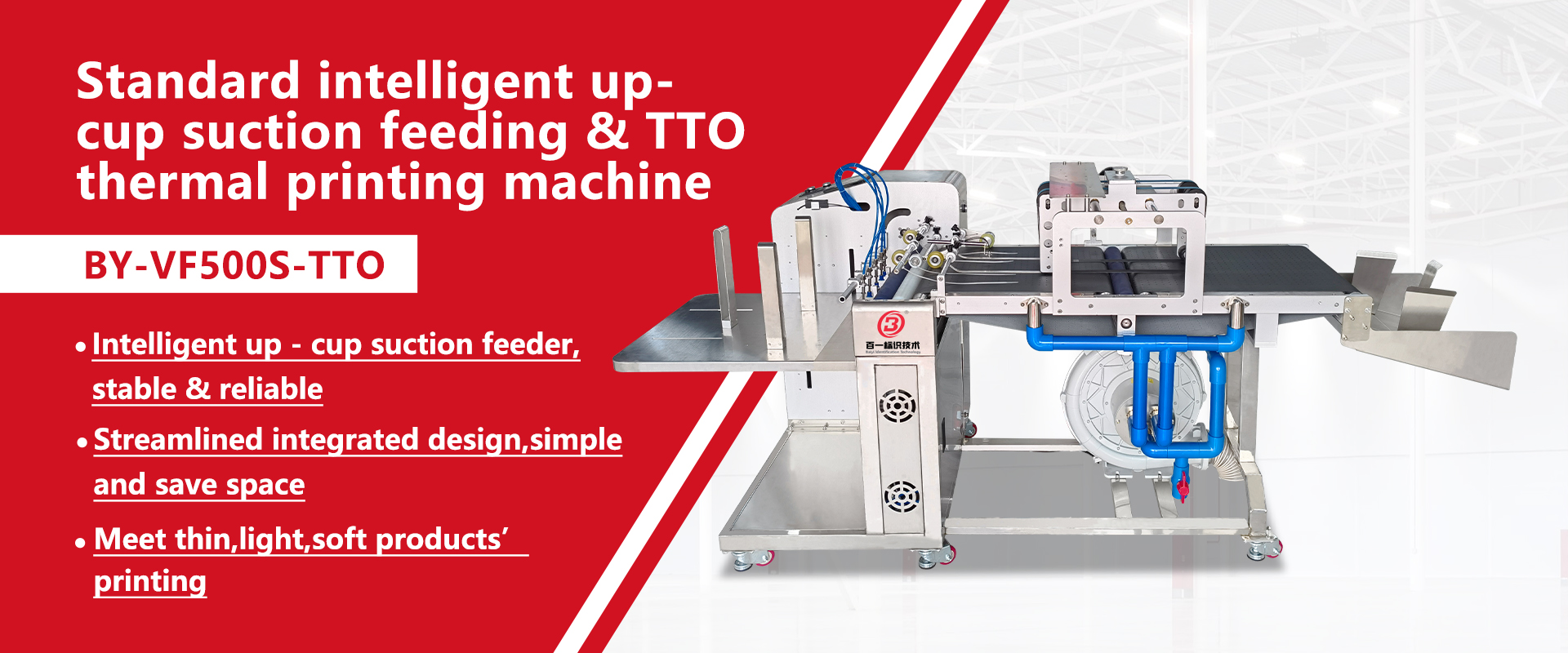
When you're picking a label feeder, it's not just about which one is the fastest. You've got to think about whether it places labels reliably, keeps materials moving smoothly, and actually fits into your existing setup. Sure, a feeder might handle paper labels like a dream, but put thin film in front of it, or a tight roll core, or you start changing speeds often—and things can go sideways. It's the little things that trip you up. One little slip of the web or a sensor that misreads, and your whole shift is thrown off.
So, you're on the hunt for a label feeder? This guide is your go-to for finding top-notch manufacturers and figuring out what to ask before you even think about getting a quote. First off, you'll want to compare things like label widths, how fast it can feed, tension controls, sensor options, and how easy it is to changeover. But here's the key: don't just trust the specs on paper. Ask them how the machine handles *your* specific label stock – not some generic test sample. And always push for clear specs, and if you can, get a live demo with materials that are actually close to what you use. That way, you know it's really going to work for you. You know what? It's worth looking into the installation guidance, spare parts, and technical support that come with it. Honestly, those points give you a much more useful comparison than just hearing about how precise or efficient it is.
Spending time on a real production floor teaches you things you don't get from any manual. For one, having the most detailed spec sheet doesn't mean the machine will be a breeze to operate. Honestly, operators often care just as much about controls that are easy to reach and quick roll changes as they do about top speed. That's something you really need to keep in mind. So before you commit to buying, make sure it actually works with your applicator, conveyor, and control system—otherwise you might be in for a headache. Look, there's no denying that manufacturer experience, documented testing, and responsive support go a long way in cutting down the guesswork. But honestly, no checklist in the world can replace actually trying things out. So what we've got ahead is a practical guide on how to size up suppliers, compare different equipment, and pick a feeder that actually works for your real-world production needs.
Read more »
 By:Sophie
- November 9, 2026

China Top 10 ODM Automatic Belt Printing Machine Suppliers
When it comes to belt printing in China, the market is really driven by a few things: brands want consistency, designs need to be flexible, and production runs are getting shorter. That’s where an ODM automatic belt printing machine comes in—it lets manufacturers print repeating patterns on moving belt material. But honestly, the machine’s top speed isn’t the whole story. On the factory floor, you also have to think about ink compatibility, belt width, drying capacity, registration accuracy, and whether operators can actually reach and work with the machine comfortably. All of those factors matter just as much.
Look, industry reports can give you some useful context—though they don’t always zero in on belt-printing gear specifically. Smithers’ The Future of Digital Textile Printing to 2027, for instance, digs into how digital printing tech and production are shifting. And then there’s the International Textile Manufacturers Federation’s Global Textile Industry Survey, which tracks business conditions and investment sentiment across the whole supply chain. So between the two, you get a decent sense of the landscape, even if you have to read around the edges a bit. So these sources do help explain why buyers are increasingly weighing flexibility and process efficiency right alongside price. But they don't give us a direct ranking of Chinese belt-printer suppliers, unfortunately. And that's where it gets tricky—details matter.
Alright, this isn’t one of those official “best of” lists or certifications. It’s more of a practical starting point if you’re checking out China’s top 10 ODM automatic belt printing machine suppliers. I tried to look at what really matters: how much they can customize, the printing methods they offer, how automated things can get, and whether their technical support is actually clear or just copy-paste replies. One big piece of advice—ask for samples printed on your actual belt material. Don’t settle for whatever shiny sample they have lying around. Also dig into curing, color consistency, and maintenance intervals before you commit. A polished brochure might look nice, but it definitely doesn’t prove they can handle stable production in the real world. There’s still one catch, though: public data hardly ever breaks out belt-printing machines on their own—they’re usually lumped in with textile printing in general. So honestly, you can’t just take a supplier’s word for it; you’ve gotta double-check the actual specs and maybe run some real samples yourself.
Read more »
 By:Lila
- November 7, 2026

How to Choose a Reliable Label Feeder Supplier in China?
Look, when you're picking a label feeder supplier in China, don't start with the shiny brochure—start with the machine itself. Before you even ask for a quote, nail down your label width, roll diameter, core size, feed speed, and how accurate it really needs to be. Those specs decide whether it'll slide right into your production line or turn into a pricey headache down the road. It's the little things, honestly. And ask them straight up how they handle tension and how they detect label gaps or marks. If they know their stuff, they'll walk you through their sensors, drive system, and connection options without drowning you in jargon. Hey, before you go all in, ask for a sample test using your actual labels—especially if they're thin, glossy, or just a pain to peel. One successful run is great and all, but it doesn't really prove they'll hold up consistently.
Okay, so you're searching for a Supply Chain Label Feeder—don't just compare price and delivery promises. Dig a little deeper into the supplier. Ask about their inspection process, look at test records, find out if spare parts are actually available, and whether they've worked with equipment like yours before. It also helps to request a short video showing the feeder running continuously at the speed they quoted. And make sure to ask what happens if labels start to skew or jam. Then, when you get the quotation, check that it clearly lists the model, configuration, warranty scope, and lead time. Honestly, a polished catalog can hide a lot of gaps. Honestly, I wouldn't put too much faith in just one sample or a quick answer you get online—both can give you a false sense of security. It's smarter to compare what you're told in writing with actual test results, and also stay open to questions you haven't even thought of yet. The right supplier isn't just the one with great capabilities; it's the one that's just as comfortable explaining its limitations.
Read more »
By:Sophie
- November 4, 2026

China Top 10 ODM Automatic Belt Printing Machine Suppliers
China’s printing equipment market is pretty crowded, and the manufacturers buying there tend to care about one thing above all: getting the same color, registration, and production speed every single time. Sure, an ODM automatic belt printing machine sounds great on paper—it can handle logos, patterns, or technical markings across all sorts of belt materials. But honestly, the specs on the brochure only tell you so much. You really need to dig into the details before you commit: run some sample prints, check what belt widths it actually handles, make sure it works with the inks you use, ask about curing and changeover times, and don't forget whether you can actually get replacement parts down the road.
Industry reports can be pretty helpful for context, but let's be honest—they won't answer every question you have before making a purchase. For instance, Smithers has research on digital textile printing that tracks how the market's evolving and which technologies are actually catching on. Then there's ITMF's International Textile Machinery Shipment Statistics, which gives you a bigger-picture look at where machinery investment is heading. That said, neither of these sources directly ranks Chinese belt-printing suppliers. And that's a real gap. Honestly, you can’t just take a supplier’s word for it. You still need to verify their claims—check the current specs, audit the factory, and run some production trials with your own belt material in the mix.
Looking for an automatic belt printing machine? This guide rounds up ten ODM suppliers in China to help you get started. It’s not about flashy brochures — we get into the nitty-gritty: customization options, automation features, service support, and proof they can actually manufacture. Honestly, a glossy brochure isn't enough. You'll want to ask for printed samples, double-check the output specs they quote, and find out exactly what the warranty covers. Also, if a supplier only shows limited technical data, that's a red flag worth investigating — don't just assume it's fine. Honestly, the right shortlist really depends on a few things—like the belt dimensions you need, how big your prints are, your budget, and how much setup time you're willing to put up with.
Read more »
By:Lila
- November 2, 2026

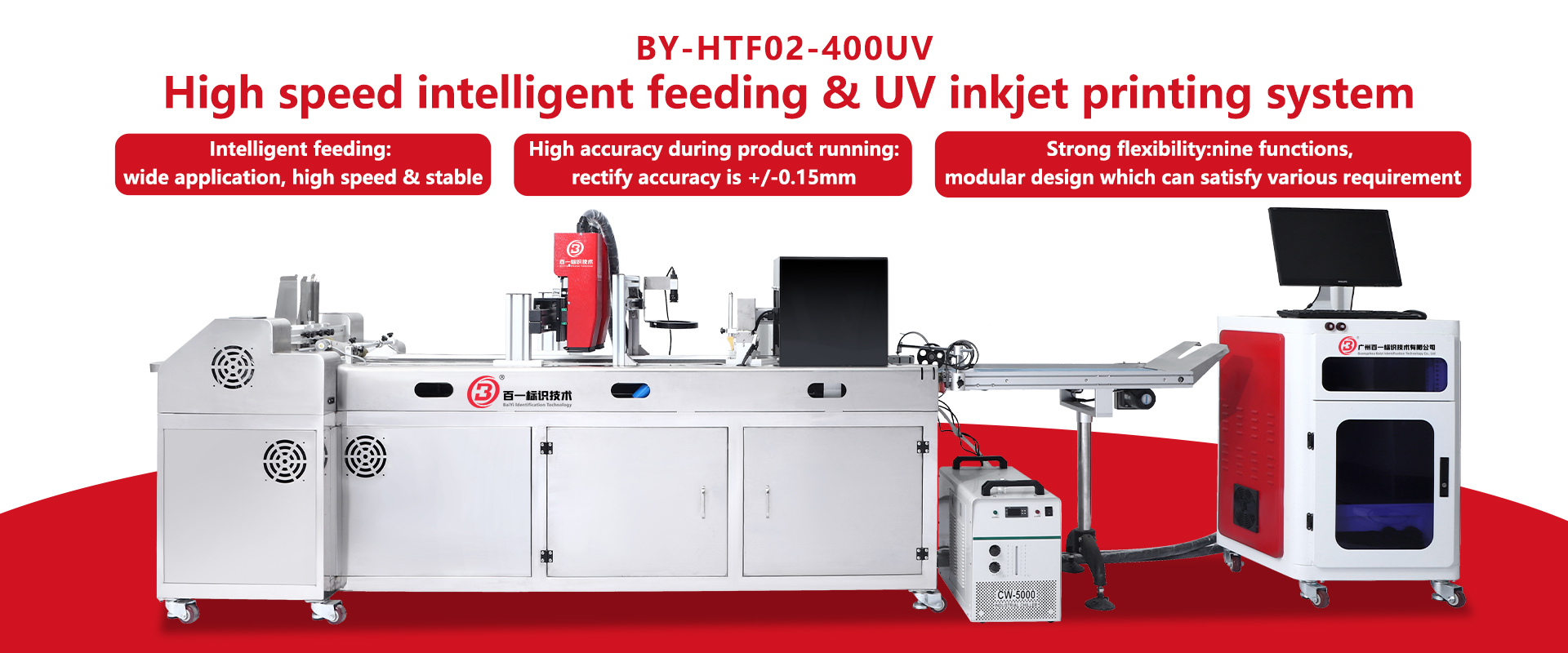
10 Best UV Inkjet Printer Manufacturers in 2026?
Alright, so picking one of the 10 best UV inkjet printer manufacturers in 2026? It’s not just about who has the fastest speed or the highest resolution on paper. Seriously, a printer can look amazing in a brochure, then completely struggle with white ink on dark acrylic—or leave patchy, uneven coverage on textured panels. You really need to get hands-on with print samples, check ink adhesion and curing consistency, think about maintenance access, and see what kind of technical support you’d actually get. In the end, those real-world details can matter a lot more than a fancy top-line spec.
So, you're looking at UV inkjet printers? This guide walks you through the real-world stuff you should actually compare—not just specs. We get into application range, print quality, machine configuration, workflow fit, and what after-sales support really looks like. Also, do manufacturers clearly break down operating costs? You know, ink consumption, routine maintenance—that kind of thing. And don't underestimate the little stuff. A clogged nozzle in the middle of a production run? That's not a minor annoyance. That's a big deal. Just to be clear, this comparison is meant to help you make a more informed choice—not to take the place of a real hands-on demo or an actual application test. Your results can vary quite a bit depending on the materials you use, your settings, and how comfortable the operator is with the equipment. One thing I should flag: I didn’t include any outside sources or quotes from named experts, because there weren't any verifiable ones available. I’d rather not make up a fake specialist just to sound more authoritative. So before you commit to buying, I’d recommend reaching out to each manufacturer on your shortlist and asking them to run a test print on your own substrate—and get the proposed setup confirmed in writing. Even a really thorough comparison can’t predict exactly what’ll happen in every shop, but it should put you in a better position to ask the right questions. Yeah, that's definitely something worth keeping in mind.
Read more »
By:Lila
- October 30, 2026

How to Choose a CIJ Printer Manufacturer in 2026?
Okay, so picking a CIJ printer manufacturer in 2026 isn't just about comparing prices or how fast it spits out codes. You've gotta find a partner who actually gets your production setup—like the surfaces you're printing on, the ink you need, and your maintenance routine. A solid printer should handle crisp codes on cartons, bottles, cables, or even flexible packaging without breaking a sweat. And it's gotta stay reliable even when things get rough—you know, heat, dust, vibration, or when your line speed decides to do its own thing. That's the real deal.
Okay, so here's the deal – don't just go by the glossy brochures. You've got to ask for a live sample, using your actual materials and your own ink. I mean, that's the only way to really see how it performs. Then, check the character quality after it dries, after you rub it, after it's been in a humid environment, or even just sitting on the shelf for a while. And don't be shy about asking the nitty-gritty questions: how often do you need to clean the printhead, how much solvent does it go through, when should you replace filters, and what happens if the thing just dies unexpectedly? A decent manufacturer should have all that info ready – like traceable test records, clear specs, they should train your people, and they should be quick to respond when you need help. That's what you want to look for. Honestly, it'd be refreshing if their engineers just came out and said, 'Here are the things we can't guarantee,' instead of promising everything will run smoothly. After all, no supplier is perfect—and that's okay, as long as they're real about it.
Look, when you're evaluating this, you really need to think about the total cost of ownership. Sure, that low upfront price might catch your eye, but it could easily be hiding expensive fluids, constant servicing headaches, or tech support that takes forever to get back to you. So don't just take their word for it – ask for references from similar factories, get the warranty terms in writing, and check if spare parts are actually available down the line. Plus, you'll want to make sure their software plays nice with what you're already using. And don't forget to verify they follow recognized quality standards and meet the product marking requirements for your market. Honestly, these things often matter way more than a fancy headline speed.
So, you're putting together a procurement shortlist, huh? It's easy to get swept up in the shiny presentations and slick demos, but what really matters is whether the tech, the reliability, the service, the compliance—all of it—actually holds up over the long haul. And hey, we should probably question some of the assumptions we've been making about automation and ROI, too. They're not always as straightforward as they seem. Here's the thing: your shortlist should come from solid evidence, not just whatever looks good on stage. Dig into your own production data—really look at it. Then pick a partner who can back up their claims when it's not a perfect demo environment, but the messy, real-world conditions where you actually operate. That's where the rubber meets the road.
Read more »
By:Lila
- October 27, 2026

10 Best China Label Feeder Manufacturers for Global Buyers
You know, label production isn't what it used to be. It's getting faster, more automated, and honestly, a whole lot more demanding. Smithers just released a recent packaging report, and they're saying labels are actually a pretty resilient segment – thanks to e-commerce, food traceability, healthcare packaging, and also those shorter production runs everyone's talking about. And it's not just them either; Grand View Research is also predicting steady growth for the global labels market through the next decade. So what does all that mean? Well, it just piles more pressure on converters and packaging lines, that's for sure.
You know, a solid label feeder isn't just a nice-to-have – it can seriously cut down on misfeeds, stoppages, and wasted materials. And here's the thing: it's the tiny stuff that really makes or breaks your daily output. We're talking web tension, sensor response, label spacing, feeder speed, even how well it handles different substrates. Now, if you're out there hunting for 'Supply China Label Feeder Manufacturers', don't just jump at the lowest price. That's a classic rookie mistake. What you actually need is proof – real evidence that they've got their engineering locked down, years of factory experience, a proper testing process, reliable export support, and, importantly, easy access to replacement parts. Trust me, it matters.
So, I've been digging into ten manufacturers over in China for anyone buying internationally. What did I look at? Well, feeder design, how they handle integration with labeling machines, PLC communication—you know, the technical nitty-gritty—plus customization options, quality management, and after-sales support. But I didn't just take their word for it—I also checked out public company info, technical docs, product records, and where they stand in the industry. Sure, an ISO 9001 certificate looks good on paper, but honestly, that's not a substitute for verifying things yourself. My advice? Get samples and test them before you commit.
Honestly, no ranking is carved in stone. The manufacturer that’s perfect for pharmaceutical cartons might totally miss the mark when it comes to fragile glass containers or oddly shaped pouches. And here’s the thing – things like regional voltage, safety regulations, documentation, and even how quickly they respond to service calls can really swing the final decision. Some suppliers are great talkers, but when it comes to actual performance data, they’re a bit lacking. That’s a red flag you shouldn’t ignore. Look, if you're a practical buyer, don't just take their word on speed claims. Actually watch real test videos, and maybe even check out label samples yourself. And make sure they'll still have parts for it years down the line—confirm that before you sign anything. Here's the thing: the biggest factory isn't always the best choice. What you really want is a supplier who consistently matches the feeder to your specific application. That's what makes the real difference.
Read more »
By:Lila
- October 25, 2026

Top UV Inkjet Printer Manufacturers in China
China's UV printing industry is kind of shifting away from being a niche thing and heading more into mainstream industrial territory. Grand View Research put the global UV curable inks market at around USD 1.86 billion in 2023, and their forecast points to pretty solid growth all the way through 2030. You can see that demand in things like signage, packaging, labels, glass, acrylic, and decorative panels. And China? It's become a pretty important manufacturing base for this whole shift. That said, market size estimates do vary depending on the research method used. Hey, if you're a buyer, do yourself a favor and really read through those assumptions carefully. Don't just skim past 'em, okay?
So this guide takes a look at some of the big names in UV inkjet printers—JHF, HandTop, Flora, Docan, and Micolor. They're not all trying to do the same thing, either. Some are built around flatbed printing for rigid sheets, while others lean into roll-to-roll, hybrid setups, or full-on industrial automation. Honestly, you figure out the real differences fast on a busy factory floor. Things like printhead alignment, curing consistency, ink adhesion, and how easy it is for operators to get to the machine? Those matter way more than a shiny brochure. So, Smithers’ research on digital packaging print points to shorter runs, versioned graphics, and quicker changeovers as some of the big things pushing the industry forward. And yeah, those same pressures? They’re starting to shape how Chinese equipment gets designed.
But reliability? Well, that still needs proof.
So, if you're trying to judge whether a printer is really worth it, don't just look at the spec sheet. Compare actual print samples, nozzle compensation, RIP compatibility, warranty terms, and how quickly local service responds. And yes—ask for tests on your own substrates. Acrylic might come out with nice clean edges, but a textured board? That's where banding can show up. It's also worth thinking about energy use and ventilation in the workspace. Independent certifications, a documented maintenance schedule, and clear ink specs all help a supplier feel more credible. That said, no manufacturer gets everything perfect. Honestly, those published performance numbers? They can be based on ideal conditions—not what you'll actually see day to day on the production floor. That's why it pays to ask the right questions. At the end of the day, the right pick really comes down to your workload, the substrate range you need, your budget, and the technical support behind it—not just how well-known the brand is.
Read more »
 By:Ethan
- October 23, 2026

7 Tips for Choosing Inkjet Printer Manufacturers
Choosing among Inkjet Printer Manufacturers is rarely a simple price comparison. A production floor tells a different story. Nozzle consistency, ink drying, software stability, and service response can determine whether a print line runs smoothly or stops before lunch.
Frank Romano, a respected printing-industry educator and analyst, once observed, “The printing industry is not dying; it is changing.” That change is visible in faster digital workflows, shorter print runs, variable data, and tighter sustainability expectations. His comment offers a useful warning: a manufacturer should support your future process, not only sell today’s machine.
This guide introduces seven practical tips for evaluating Inkjet Printer Manufacturers. It examines print samples, ink compatibility, resolution, throughput, maintenance, technical support, and total ownership cost. Ask for verified production data. Request samples using your actual substrate, artwork, and target speed. A showroom demonstration may look perfect. Your warehouse environment may not.
Look closely at warranty terms, spare-part availability, operator training, and software integration. Speak with comparable customers, not only selected references. Check whether the manufacturer documents testing procedures and quality controls. Strong suppliers explain limitations clearly. That matters.
The choice will not be flawless. Some specifications remain difficult to compare. Some “best value” claims hide maintenance costs. A careful buyer should record assumptions, challenge unclear promises, and leave room for pilot testing. These seven tips are designed to make that evaluation more evidence-based, practical, and dependable.
Read more »
By:Sophie
- October 20, 2026

2026 Best High Speed Feeder Factory to Choose?
Picking the 2026 Best High Speed Feeder Factory isn’t just about lining up catalog speed numbers. A factory you can actually rely on needs to show stable feeding, accurate part orientation, and controlled performance under real production conditions—not just on a good day. Buyers should look closely at bowl finish, sensor placement, drive design, noise levels, and how easy maintenance access really is. A polished showroom alone doesn’t prove much.
As automation specialist Michael Kucera puts it, “The fastest feeder is not always the best feeder; dependable accuracy creates the real production advantage.” That idea matters a lot when you’re evaluating a High Speed Feeder Factory for automotive, electronics, pharmaceutical packaging, or general assembly lines. Ask for documented cycle rates, sample testing, changeover times, and references from comparable applications. And request video evidence from continuous operation—not only short demos. Small details matter. A loose mounting bracket or a poorly adjusted photoelectric sensor can cause repeated stoppages.
Experience also shows the limits. Some factories advertise impressive speeds, yet their equipment may struggle with irregular parts, oily surfaces, or delicate components. That gap deserves attention. A responsible supplier should explain where its technology performs well and where it still needs refinement. Engineers should review feeder compatibility with conveyors, robotic pickers, PLC systems, and safety controls before buying.
This guide will compare leading manufacturers through engineering capability, quality consistency, customization, after-sales support, delivery reliability, and long-term operating value. The best choice may not be the one with the highest number on paper. It should offer measurable performance, transparent communication, and practical support when production gets demanding. Mistakes can happen, even with experienced suppliers. Careful testing helps reduce them.
Read more »
By:Lila
- October 18, 2026

China Top 10 Label Feeder Manufacturers for Global Buyers
So you're trying to pick the right supplier from China Label Feeder Manufacturers? It's not just about lining up catalog prices. Global buyers really need to dig into feeding accuracy, material compatibility, line speed, how fast the service team responds, and proof of actual production experience. A feeder can look great under showroom lights and still act completely different once it's sitting next to a fast label applicator.
In this guide, we're looking at ten manufacturers that serve international packaging and labeling markets. The comparison looks at product design, customization options, quality control, delivery communication, and after-sales support. Names like Leadworld, Keshenglong, New Star Machinery, and LabelOn Machinery each show a different way of approaching manufacturing. Some go for compact systems. Others build integrated feeding units for high-volume production.
Label-industry consultant Mike Fairley puts it simply: “Reliable label production begins with controlled material movement.” That hits home when thin paper labels curl, adhesive stock shifts, or rolls show up with uneven tension. One tiny alignment error can turn into visible gaps after thousands of applications—and then costly rework.
Now, this selection isn’t perfect. Public supplier info changes, and factory claims? They deserve a second look. Buyers should ask for current test videos, sample runs, electrical specs, and references from similar users. Factory audits still matter. So does asking those awkward questions about spare parts and response times.
Real performance matters.
This intro is meant to help readers compare China Label Feeder Manufacturers from a buyer’s point of view. The strongest supplier isn’t always the biggest. It’s the one that matches feeder stability, technical support, budget, and operating conditions—with measurable evidence.
Read more »
By:Lila
- October 15, 2026

How to Source a China Label Feeder Supplier in 2026?
Finding a reliable label feeder in China? It’s not just about comparing prices on some marketplace. By 2026, buyers really need suppliers who get machine compatibility, label accuracy, production stability, and fair trade practices. A feeder might look simple, but one tiny alignment error can bring a whole packaging line to a halt. That’s the kind of detail that matters.
This guide is here to help you source China label feeder solutions with more confidence. We’ll walk through supplier research, technical back-and-forth, sample testing, factory checks, and contract control. Start with clear specs—label width, roll diameter, feeding speed, material type, sensor needs, mounting dimensions. Ask for videos of real production tests, not just polished demos. Get drawings, inspection records, warranty terms, and spare-part support. Certs like ISO 9001 can help with credibility, sure, but they don’t replace hands-on verification.
A solid sourcing process also looks at how well the supplier responds. Can they answer engineering questions clearly? Can they tweak the feeder without hiding its limits? If possible, run samples through your actual equipment. Check feeding consistency, stopping accuracy, noise, and changeover time. Weak communication often gets expensive after you’ve paid. And not every shiny factory is the right partner. Some specs may still be fuzzy early on—that deserves an honest look. Independent audits, video inspections, and staged payments can cut avoidable risk while keeping things fair. The best supplier isn’t always the cheapest. It’s the one that gives you repeatable performance, transparent paperwork, and real support after installation. That’s the sourcing standard that actually counts.
Read more »
By:Sophie
- October 13, 2026

China Top 10 Feeding Machine Series Manufacturers?
Picking equipment that you can actually rely on takes a lot more than flipping through catalog photos or looking at the lowest headline price. This guide walks through ten Feeding Machine Series manufacturers in China that are worth a closer look, and it also looks at how their equipment tends to behave on real production floors. We’ll focus on feeder design, material compatibility, output stability, cleaning access, control systems, and after-sales support. Those things really matter when your line is running powders, granules, tablets, or awkward, irregular products.
Honestly, the practical details usually tell you more than glossy promo copy. A stainless steel hopper should stand up to corrosion and still be quick to clean. A steady screw or vibratory system should cut down on bridging, dust, and uneven discharge. PLC integration, sensor accuracy, and adjustable feeding speed also shape how efficient the line feels day to day. Before you commit, ask for test videos, factory documents, spare-parts lists, and references from similar plants. It’s the small stuff that adds up.
The manufacturers covered here are judged using publicly available info, technical specs, product range, manufacturing experience, and service capability. Where you can, verify certifications, production capacity, warranty terms, and installation support directly with each company. No ranking gets it perfect, either. A machine that works great in a food plant might struggle in chemical or pharmaceutical production. And sometimes local service response matters more than a lower purchase price.
This overview is meant to help you screen suppliers more carefully—not to replace factory trials or advice from a professional engineer. The best choice really comes down to material behavior, target throughput, available space, hygiene requirements, and the whole production line around it. So yes, Feeding Machine Series suppliers in China offer plenty of options, but choosing well still takes evidence, testing, and realistic expectations about how the equipment will run.
Read more »
By:Ethan
- October 11, 2026

Top China CIJ Printer Manufacturers for Global Buyers?
So, China has turned into a major production hub for continuous inkjet printing equipment. That means global buyers now have a lot of options—everything from long-established factories to newer tech-focused companies. This guide looks at some of the leading CIJ printer manufacturers, but through practical buying criteria rather than marketing hype.
Industry expert Dr. Dieter Leibinger once put it well: “Reliable coding begins with reliable engineering.” And honestly, that matters a lot on busy packaging lines. A printer might mark thousands of bottles a day, often while dealing with heat, dust, vibration, and fast-moving conveyors. Good manufacturers should offer stable ink systems, software that’s easy to understand, responsive tech support, and replacement parts you can actually get. Their machines also need to keep print quality consistent across plastics, glass, metal, cartons, and flexible packaging.
In this comparison, we’ll look at manufacturing experience, export capability, product design, maintenance access, and customer feedback. We’ll also check demos, warranty terms, training, and how quickly service teams respond. Those details often tell you more than a glossy brochure. No ranking is perfect, of course. Supplier capabilities can shift, and public information may be incomplete. That gap is worth paying attention to.
Buyers should ask for sample codes, production-line tests, fluid compatibility data, and realistic operating costs. A cheap purchase price can get expensive fast if cleaning takes longer or spare parts show up slowly. Experienced procurement teams know to evaluate total ownership costs, not just the machine’s listed price. Reliable CIJ printer manufacturers usually explain their limitations openly. They don’t pretend every environment will give identical results. This guide is meant to help global buyers compare evidence, ask sharper questions, and choose equipment that fits their actual production conditions.
Read more »
By:Sophie
- October 8, 2026

Why Choose China Supply Label Feeder Manufacturers?
Picking the right label feeder manufacturer? Yeah, that decision quietly shapes packaging speed, label accuracy, and how stable your day-to-day production really is. China Supply Label Feeder Manufacturers have gotten a lot of attention lately, mainly because they tend to bring together solid equipment engineering, flexible customization, and competitive production capabilities. Still, price alone should never be the thing that decides the purchase.
From what practical equipment evaluations show, a reliable feeder has to handle label width, roll diameter, material thickness, and line speed consistently. And a test unit should really run beside the customer's applicator — not just in a supplier's showroom. Operators are often the first to spot the little stuff: label curling, unstable tension, delayed sensor response. Those details matter.
Because small errors? They get expensive fast.
Experienced manufacturers usually offer drawings, sample testing, installation guidance, and spare-part support. Companies like Hubei Chaoqiang Machinery Equipment Co., Ltd. and Dongguan Huitong Automation Equipment Co., Ltd. are the kind of suppliers buyers may look into, though independent verification is still a must. Factory audits, production records, technical communication, and after-sales response can tell you more than a polished catalog ever will.
No supplier is perfect. Not one.
A thoughtful buyer should compare feeder performance, control compatibility, maintenance access, and long-term service. Certifications and quality documents should be checked against the actual machine model, too. This step gets overlooked sometimes. It shouldn't be. China Supply Label Feeder Manufacturers can definitely offer strong value, but dependable results come from clear specifications, realistic testing, and careful supplier assessment.
Read more »
By:Ethan
- October 6, 2026


